

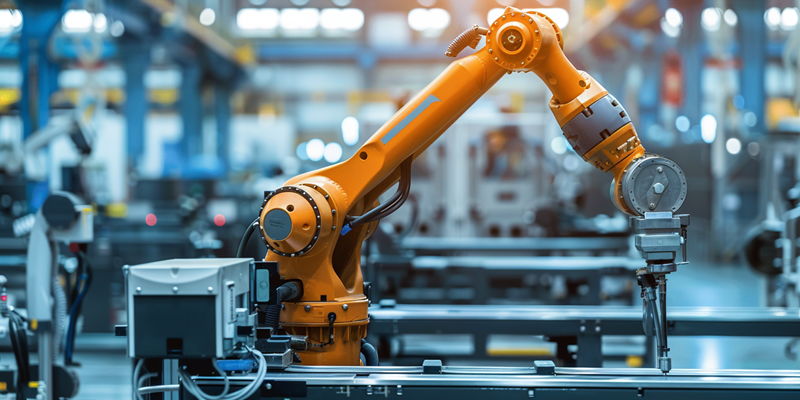
In the dynamic landscape of industrial robotics, the creation of collaborative spaces is not just about new addresses or aesthetics; it’s about fostering a cauldron of innovation where ideas can simmer, blend, and transform into groundbreaking applications. Teradyne Robotics, a notable player in this transformative field, has set the stage for a new era of synergistic innovation with the recent launch of a collaborative headquarters for its two major subsidiaries, Universal Robots and Mobile Industrial Robots (MiR), in Odense, Denmark. With a sprawling 20,000 square meter facility dedicated not to manufacturing but rather to the research and development, showcasing, and education in robotics, Teradyne is betting big on the power of proximity and shared purpose to drive forward the burgeoning field of industrial automation.
Uniting Titans of Robotics
The new facility in Odense stands as a testament to the belief that when leading forces in robotics share a common space, the potential for innovation multiplies. Universal Robots has carved out a niche for itself with lightweight, adaptable collaborative robots (cobots), with impressive capabilities of handling sizable loads while maintaining a compact form factor. In concert, MiR has taken strides in autonomous mobile robot (AMR) technology, crafting intelligent machines capable of transporting heavy industrial materials safely and efficiently. By merging these two domains under one roof, Teradyne paves the way for cross-pollination of ideas and technologies – potentially birthing solutions that are more than the sum of their parts.
This union goes beyond mere coexistence; it’s about creating an ecosystem where the strengths of each entity enhance the collective output. With R&D departments working elbow to elbow, engineers and designers from both companies now have an unparalleled opportunity to meld their expertise. This could lead not only to technical enhancements in existing products but also to entirely new categories of robotic solutions, tailored to an ever-evolving market that demands both precision and adaptability.
Fostering a Culture of Collaborative Development
Teradyne Robotics’ latest strategy embodies a deeply held belief in cooperation as the engine of tech progress. By opening a cutting-edge hub for continuous research, real-world testing, and specialized training, they’ve created a fertile environment for technological evolution. Group President Ujjwal Kumar hails their innovative shared space as key to pushing boundaries.
The leadership at Universal Robots and MiR resonates with this approach, eagerly anticipating the innovation this joint endeavor promises. Pooling insights and blending automation strategies, their teams are ready to address complex industry challenges. The collaboration of these great minds is set to deliver substantive advancements in robotics from their Denmark base, heralding a future where robotics is more user-friendly, adaptable, and smart.
Teradyne’s investment represents more than a mere relocation. It’s a mindful bet on collaborative efforts that stands to revolutionize robotics, setting the stage for solutions that adeptly tackle real-world issues. Ultimately, Teradyne’s pioneering robotics center could become the birthplace of the next chapter in collective and advanced robotics.