

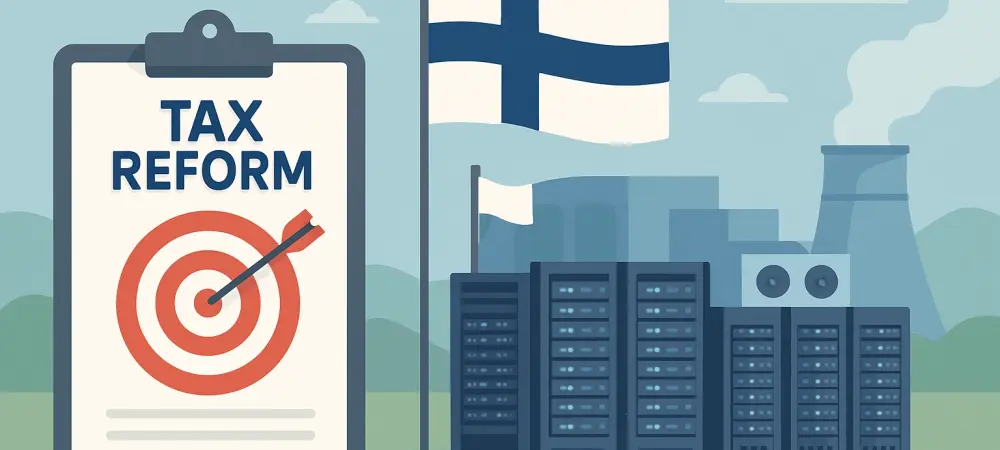
I’m thrilled to sit down with Dominic Jainy, a seasoned IT professional whose deep expertise in artificial intelligence, machine learning, and blockchain offers a unique perspective on the intersection of technology and policy. With Finland’s ambitious plans to become a leading hub for datacenters now under scrutiny due to proposed tax reforms, Dominic provides invaluable insights into how these changes could reshape the industry. In our conversation, we explore Finland’s strategic vision for datacenters, the specifics of the government’s tax proposals, the industry’s reaction, and the broader implications for investment and economic growth in the region.
Can you walk us through Finland’s overarching vision for becoming a key datacenter hub in the Nordic region?
Finland has been working hard to position itself as the go-to low-cost destination for datacenters in the Nordic area. The cold climate is a huge advantage—it naturally reduces cooling costs, which are a major expense for datacenter operations. Beyond that, the country has leveraged favorable policies like energy tax breaks since 2014 to attract global players. The goal is to create a thriving ecosystem for digital infrastructure, supporting innovations in AI, cloud computing, and beyond, while capitalizing on the region’s reputation for stability and sustainability.
How does the cold climate specifically contribute to Finland’s appeal for datacenter investors?
The cold climate is a game-changer. Datacenters generate a tremendous amount of heat, and cooling systems can account for up to 40% of operational costs in warmer regions. In Finland, the naturally low temperatures allow for free cooling—using ambient air instead of energy-intensive systems. This not only slashes electricity bills but also aligns with sustainability goals, making it a win-win for investors looking to optimize costs and reduce their carbon footprint.
What are the key elements of the Finnish government’s proposed changes to energy taxation for datacenters?
The Finnish Ministry of Finance is proposing a significant shift by eliminating energy tax breaks for datacenters as part of the 2026 budget. This involves amending the Energy Taxation Act to remove incentives that have been in place for years. Additionally, they’re looking to raise the electricity tax rate for datacenters from a heavily discounted €0.0006 per kilowatt-hour to the standard industrial rate of €0.0225 per kilowatt-hour. They’re also reconsidering accelerated depreciation allowances for new datacenter builds, which have helped operators manage cash flow during early project stages.
How has the datacenter industry responded to these proposed tax reforms?
The reaction has been swift and pretty critical. A notable example is XTX Markets, a major algorithmic trading firm, which has put a €1 billion investment in a mega-sized datacenter on hold, citing the uncertainty around electricity taxation. Other big names like Google Cloud, Amazon Web Services, and IBM are also keeping a close eye on these developments. They’re concerned that losing these tax incentives could drastically increase operational costs and make Finland less competitive compared to other regions, potentially stalling expansion plans or new investments.
Are there any signs of potential compromise or flexibility in these tax reform plans?
There’s a glimmer of hope. Finance Minister Riikka Purra has indicated that the government might consider tailored tax rates based on factors like datacenter size or energy consumption. There’s also talk of redefining what qualifies as a datacenter for tax purposes, which could create some wiggle room. This suggests the government is aware of the industry’s concerns and might be open to a more nuanced approach, especially as part of a broader cross-industry tax review, though nothing is set in stone yet.
How is the uncertainty surrounding these reforms affecting investment decisions in Finland’s datacenter sector?
The uncertainty is a major roadblock. According to advisors at Business Finland, investors are hitting pause on commitments because the electricity tax directly impacts operational costs, which are a huge part of running a datacenter. Without clarity on future tax burdens, it’s tough for companies to model their financials or justify long-term projects. This hesitation could slow down Finland’s momentum as a datacenter hub, especially at a time when global demand for digital infrastructure is skyrocketing.
Can you tell us more about the national roadmap for datacenters that Finland is developing?
The Finnish government has commissioned a national roadmap to assess the role of datacenters in the broader economy. It’s being led by Veli-Matti Mattila, a veteran in the tech industry with a background in telecommunications. His report, expected by November 2025, will dive into the benefits and challenges of expanding the datacenter sector, including its impact on energy consumption, pricing, and infrastructure. It’s also set to explore taxation policies and the state’s role in balancing industry growth with sustainable energy planning.
What’s your forecast for the future of Finland’s datacenter industry given these policy shifts?
I think Finland is at a critical juncture. If the tax reforms go through without adjustments, there’s a real risk of losing the competitive edge that has drawn billions in investment over the past decade. However, if the government can strike a balance—perhaps through tiered tax rates or renewed focus on renewable energy integration—Finland could still solidify its position as a Nordic leader. The national roadmap will be pivotal in shaping this path, but the next year or so will be telling. Global demand for datacenters isn’t slowing down, so Finland has a window to adapt and maintain its appeal.