

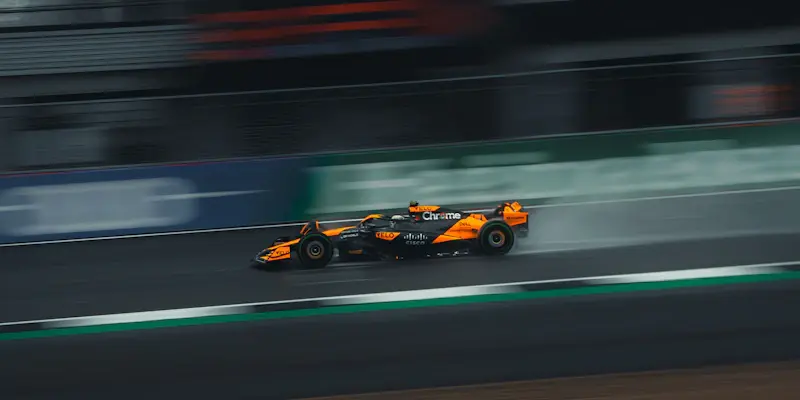
For the fifth consecutive year, stc group has taken on the role of Title Partner for the FORMULA 1 STC SAUDI ARABIAN GRAND PRIX, and their preparations reflect a commitment to bringing advanced technology to the forefront of the event. The stc’s innovative approach is aimed at enhancing the experience for both participants and spectators by integrating cutting-edge 5G network coverage, IoT services, and AI-powered solutions. This technological prowess is set to significantly elevate the motorsport experience, ensuring that every moment is captured and shared seamlessly.
Advanced 5G Network Deployment
One of the standout features of stc’s preparations is the deployment of an advanced 5G network across 19 mobile sites at the Jeddah Corniche Circuit. Complemented by four portable mobile towers, this network ensures robust and reliable connectivity throughout the event. The high-speed data, ultra-low latency, and high-volume coverage of the 5G network are designed to handle the immense data demands generated during the grand prix, enabling live streaming, real-time updates, and seamless social media connectivity. Spectators can relish the thrill of the race without any interruption, as stc’s network promises an unparalleled level of digital engagement.
stc’s 5G network is more than just a facilitator of high-speed internet. The company has integrated IoT solutions at 18 mobile sites to optimize operational efficiency. These solutions allow for real-time monitoring of vital infrastructure, supporting optimal crowd movement and tracking environmental conditions. This real-time data collection enables swift responses to emerging situations, ensuring a safer and more sustainable event for all attendees. The network’s enhancement also supports critical event operations behind the scenes, providing the foundation for a smooth and flawless execution.
Network Reliability and AI Integration
stc’s multi-layered redundancy strategy is a testament to their dedication to service reliability. Dual fiber-optic routes and pre-positioned backup equipment have been implemented to guarantee uninterrupted performance, regardless of any potential issues. This robust infrastructure is critical for maintaining seamless communication and data transmission throughout the event. The company’s use of AI-powered predictive analytics further strengthens network resilience. By managing traffic distribution and balancing loads, the AI systems preempt potential performance issues, ensuring that spectators and participants enjoy a consistent and high-quality experience.
The integration of AI goes beyond just network optimization. Predictive analytics allows for the anticipation of peak usage times, enabling stc to dynamically allocate resources to where they are most needed. This forward-thinking approach not only prevents congestion but also enhances the overall efficiency of the network. The implementation of AI-driven solutions underscores stc’s commitment to digital innovation, showcasing their ability to harness cutting-edge technology to deliver a world-class event. These advancements contribute to creating a digital environment where the excitement and energy of the grand prix are fully captured and experienced in real-time.
Enhancing the Motorsport Experience
For the fifth year in a row, stc group has partnered as the Title Sponsor for the FORMULA 1 STC SAUDI ARABIAN GRAND PRIX. Their ongoing commitment highlights their dedication to pushing the boundaries of modern technology at one of the world’s most exciting motorsport events. The stc group’s strategy focuses on enhancing the experience for both drivers and fans through the implementation of state-of-the-art 5G network coverage, Internet of Things (IoT) services, and AI-driven solutions. This approach ensures that the technology used during the event is not only advanced but also seamless and highly interactive. Spectators can expect faster, more reliable connectivity, while participants will benefit from innovative tools designed to optimize performance and safety. By integrating these advanced technologies, stc aims to create a transformative experience at the Grand Prix, capturing every moment and allowing it to be shared instantly, thus elevating the overall excitement and engagement of the event.