

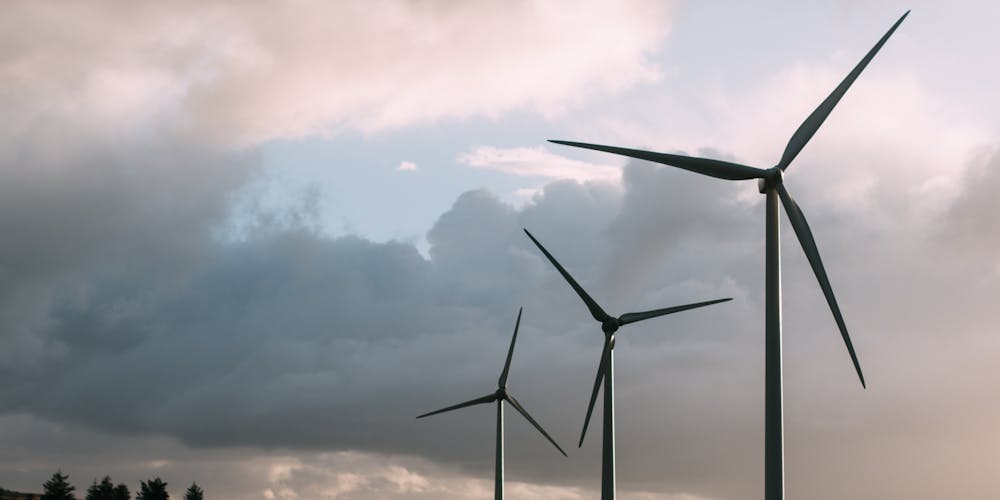
In the ever-evolving landscape of digital infrastructure and renewable energy, one company is making bold strides toward a cleaner, more sustainable future. Soluna, a prominent data center operator, has successfully secured a significant $30 million in funding, laying the foundation for an ambitious expansion of its Texas-based facility. This investment, firmly backed by Spring Lane Capital, heralds the imminent arrival of Dorothy 2, a large-scale 48MW expansion project. Underpinning this development is the planned integration of some 12,700 Bitcoin mining rigs, each with a set power consumption rate of 3.5kW. This strategic enlargement is a cog in the larger machine of Soluna’s vision to strengthen their digital infrastructure prowess within the renewable energy field, exemplifying their commitment to growth and innovation in this dynamic sector.
A Leap Forward for Renewable Energy in Mining
The financial infusion into Soluna marks more than just capital allocation—it underwrites a leap forward in marrying complex computational requirements with renewable energy sources. With the impending assembly of advanced Bitcoin mining equipment, the company is poised to solidify its place in the highly competitive realm of cryptocurrency extraction. However, what sets Soluna’s expansion apart is its pronounced focus on sustainability. The hefty power consumption of the mining rigs isn’t just met with any energy source; it is meticulously paired with renewable energy to ensure that the formidable demand of high-powered operations does not clash with the pressing need for environmental responsibility.
Beyond the technical aspects, Dorothy 2 carries a deeper symbolic significance. Dedicated to the legacy of mathematician Dorothy Vaughan, it embodies Soluna’s ethos of paying homage to pioneering figures through its facility names. This reflects a respectful acknowledgment of history and progress, bridging the gap between groundbreaking technology and the rich tapestry of intellectual heritage.
Strategic Partnerships Powering Progress
Continuing its growth, Soluna is forging key alliances, notably with EDF Renewables and Masdar through a Power Purchase Agreement that underscores their savvy in driving ventures like Project Kati. This Texas initiative, honoring Katalin Karikó, is set to offer a robust 166MW in IT capacity, illustrating Soluna’s tribute to scientific icons.
Soluna’s CEO, John Belizaire, accentuates the vital contribution of their partner, Spring Lane Capital, which has been pivotal in funding Dorothy 1 and continues to be key for Soluna’s future. Their aligned vision with strategic financiers bolsters a shared commitment to innovative progress and environmental stewardship.
Positioning itself in the tech and renewable energy landscape, Soluna is dedicated to progress that honors sustainability. Combining tech infrastructure and green energy, the company creates a unique synergy. The latest financial endorsements symbolize more than mere investments—they embody Soluna’s pledge to integrate cutting-edge innovation with environmental consideration, ensuring that forthcoming digital advancements are as sustainable as they are smart.