

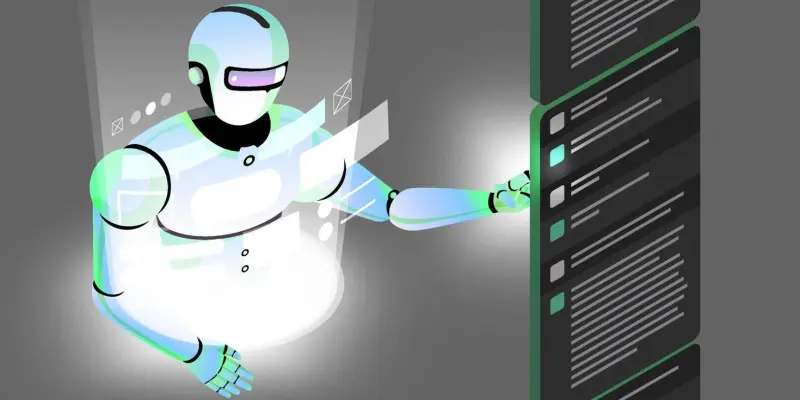
Slack’s recent announcement of the Agentforce “hub,” integrating AI agents and the introduction of new features for workplace automation marks a critical turning point for the popular collaboration platform. Starting in January, Slack workspaces will be able to access a comprehensive library of AI agents that have been developed on Salesforce’s innovative Agentforce platform. This advancement highlights the significant strides Slack is making in leveraging artificial intelligence and automation to enhance productivity and streamline business processes.
The Hub: Centralizing AI Agents
Navigating the AI Hub
One of the key features of this new integration is the centralized “hub,” which will be accessible via a tab on the left-hand sidebar within Slack. This hub will list all available and recommended AI agents that users can activate and interact with. The use cases for these AI agents are diverse and far-reaching. They include deal assistance, IT support, onboarding, and marketing strategy, among others. What’s notable is that users will also have the capability to host and customize their own AI agents within this hub, tailoring them to meet specific business needs and objectives.
These AI agents are seamlessly integrated into Slack as chatbots, effectively supplementing the platform’s functionality. They will support third-party agents from well-known companies such as Adobe Express, Box, and Perplexity. This collaborative approach ensures that Slack users have a wide array of tools at their disposal, making it easier to address various operational challenges and improve workflow efficiency. The introduction of this hub signifies Slack’s commitment to creating a more intelligent and responsive workspace environment.
Customizing and Utilizing AI Agents
Customization is a significant aspect of this new feature, allowing businesses to adapt AI agents to their unique requirements. By providing the ability to host customized agents, Slack is enabling organizations to automate more specific and complex tasks. This can include everything from crafting personalized marketing strategies to managing intricate IT support queries. The flexibility to shape AI agents according to organizational needs empowers businesses to achieve higher efficiency and productivity.
Moreover, the integration of these AI agents into Slack’s existing ecosystem means that users will experience a smoother transition when incorporating these tools into their daily workflows. Leveraging AI agents for routine tasks not only frees up time for more strategic activities but also reduces the margin for error in repetitive processes. As these AI agents become more advanced, they will play an increasingly vital role in enhancing the overall user experience within Slack.
Enhancing Workflow with AI Actions
Integrating Actions into Agent Workflows
In addition to the hub, Slack has announced the general availability of “actions” that can be integrated into agent workflows using the Agentforce Agent Builder tool. These actions are designed to perform specific tasks within Slack, such as creating and updating Slack canvas documents, generating Slack lists, and sending direct messages. The integration of these actions into the agent workflows significantly enhances the utility of AI agents, enabling them to execute a broader range of tasks autonomously.
These capabilities mean that users can instruct AI agents to carry out complex sequences of actions without the need for constant human oversight. For instance, an AI agent could automatically compile a list of tasks from various Slack channels, update relevant documents, and send notifications to team members, all without direct intervention. This level of automation helps streamline operations and ensures that critical tasks are completed efficiently and accurately.
Searching and Providing Answers
AI agents within Slack will also be equipped with the ability to search Slack conversations and connected applications to provide precise and contextual responses. This feature is particularly valuable for retrieving information quickly and accurately, which is essential in fast-paced work environments. By searching through conversations and connected apps, AI agents can pull up relevant data, answer questions, and even predict future inquiries based on historical interactions.
This advanced search functionality, combined with the ability to perform predefined actions, positions AI agents as indispensable assets in any collaborative setting. They can handle both back-end operations and front-facing interactions, ensuring that employees have the information they need at their fingertips. This dual capability contributes to a more organized, responsive, and efficient workplace, where tasks are streamlined, and communication is enhanced.
Industry Trends and Future Impact
Similar Innovations by Competitors
The rise of AI agents has captured significant attention from various software vendors, underscoring a broader industry trend toward automation and artificial intelligence. Companies like Asana, Atlassian, and Microsoft have all introduced their own versions of AI agents, each aiming to improve productivity and streamline workflows. Google, too, has unveiled new agent-related tools for its Workspace app suite, emphasizing the growing importance of AI in collaborative tools.
This competitive landscape suggests that the concept of AI agents, while defined differently across companies, is becoming a standard feature in modern business applications. These AI-driven tools are designed to act on behalf of users to various extents, providing a range of services from simple task automation to complex decision-making support. As more companies adopt and refine these technologies, the potential for AI agents to revolutionize workplace productivity continues to grow.
Future Implications and Adoption
Slack’s latest update reveals a significant advancement with the introduction of the Agentforce “hub” and a variety of AI agents aimed at workplace automation. These changes signal a pivotal moment for the renowned collaboration platform, emphasizing its commitment to innovation. Starting in January, users in Slack workspaces will gain access to an extensive library of AI agents developed on Salesforce’s cutting-edge Agentforce platform. This move is a testament to Slack’s dedication to enhancing productivity and simplifying business processes through the power of automation and artificial intelligence.
The integration of the Agentforce hub within Slack embodies the company’s strategic efforts to stay ahead in the competitive landscape of collaboration tools. By leveraging Salesforce’s advanced AI technology, Slack aims to provide businesses with smart and efficient solutions to common workplace challenges. The new features are designed to streamline workflows, reduce manual tasks, and ultimately, create a more efficient working environment for teams.
Incorporating AI directly into daily operations showcases Slack’s proactive approach to addressing the evolving needs of modern workplaces.