

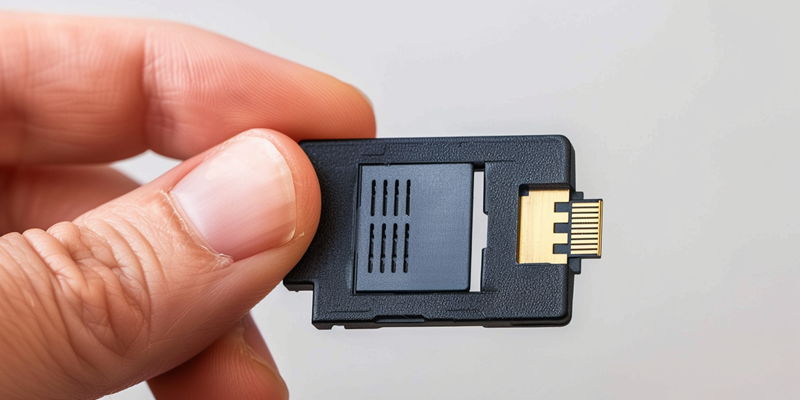
In an era where digital content is king, the need for high-capacity portable storage has never been greater. With the announcement of SanDisk’s pioneering 4TB microSD card, Western Digital is poised to shatter existing boundaries. This high-capacity microSD card represents a quantum leap in portable storage, delivering the space professionals need to keep up with the ever-increasing demands of high-resolution media creation. Photographers and videographers stand to benefit significantly from the convenience of carrying vast amounts of data in their pockets, ready to use in an array of devices from cameras to laptops.
The expansion to 4TB is more than a simple scale-up; it’s a transformative shift that promises to change how users interact with their data. For example, drone operators, who require extensive storage for extended 4K or 8K video shoots, will find this innovation a game-changer. No longer will they need to land their drones frequently to swap out memory cards, thus preserving the integrity of their creative flow and saving valuable time in the field. Such advancements underscore the hallmark of portable storage evolution: smaller size with greater capacity and speed.
Setting New Standards in Speed and Performance
The launch of SanDisk’s 4TB microSD card is making waves not only for its vast storage capacity but also for its remarkable performance. Adherence to the UHS-1 interface means users can enjoy data transfer rates up to 104 MB/s—essential for professionals needing swift file transfers to meet deadlines. The inclusion of a V30 video speed class ensures that the card can handle the strenuous requirements of burst photography and seamless HD video recording.
Speculation about possible DDR200/DDR208 mode support adds to the excitement, suggesting potential speed breakthroughs. Comparatively, the 1TB SanDisk Extreme Pro card’s impressive 170 MB/s speed sets a high bar, raising expectations for this 4TB powerhouse. Depending on Western Digital’s final engineering choices, this card could mark a new zenith in storage performance. Sure to revolutionize professional workflows, this cutting-edge memory solution promises a leap in efficiency and capability for users handling large-scale projects and data-intensive tasks.
Pricing and Market Impact
As SanDisk unveils its revolutionary 4TB microSD card, the storage industry reaches a new zenith. Although pricing details hint at a premium for this advanced storage solution—mimicking the trend seen with most tech innovations—its impact on the market cannot be understated. The card represents Western Digital’s milestone achievement in pushing the boundaries of data storage.
With the surge in high-resolution content, the timing is impeccable. Tech aficionados and professional creatives are eager to harness the unparalleled storage capacity and speed, understanding that the card isn’t just an upgrade but a transformative leap forward. As digital creatives seek to transcend the constraints of yesteryears, SanDisk’s latest offering stands as a testimony to the relentless pursuit of innovation, potentially redefining how we store and interact with our burgeoning digital content repositories.