

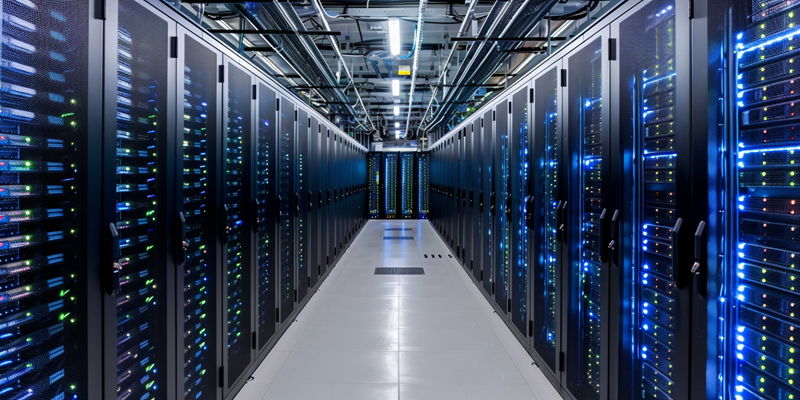
The technology landscape continually evolves, with data centers playing a pivotal role in global infrastructure. Central to maintaining the optimal function of these facilities is effective cooling, a critical challenge given the surge in data processing and storage demands. Recently, Petronas Lubricants International (PLI), in collaboration with Iceotope, announced a groundbreaking solution: the Petronas Iona Tera. This innovative cooling fluid marks a significant turning point in thermal management, particularly for data centers, Edge computing facilities, and blockchain operations. The introduction of this advanced coolant signifies a promising step towards improved efficiency, reduced carbon emissions, and lower water usage, directly addressing the environmental concerns posed by the increasing energy consumption of data centers.
Collaboration Between Petronas and Iceotope
Petronas Lubricants International’s Managing Director and CEO, Hezlinn Idris, has underscored the mutual expertise in liquid cooling technologies shared with Iceotope. She emphasizes that this strategic partnership is poised to significantly enhance data center performance without compromising environmental integrity. This collaboration is a clear indication of Petronas’ commitment to extending its expertise beyond traditional automotive sectors, showcasing its dedication to sustainable innovations. Iceotope’s CEO, David Craig, also highlights the growing importance of addressing power consumption and environmental impact for data center operators. He praises the collaboration, noting its potential to set new benchmarks in efficient and responsible cooling solutions.
The journey to develop the Iona Tera coolant began in 2022, with both companies investing significant effort in research, development, and validation processes. Originally formulated for electric vehicles to cool engines, gearboxes, batteries, and bearings, the coolant’s versatility extends to other innovative applications including EV charging stations and phase change materials. This cross-domain utility demonstrates the coolant’s effectiveness in various thermal management scenarios, reflecting the robustness and adaptability of the jointly developed technology. Such versatility is crucial as it allows for broader applications, making Iona Tera a vital component in the quest for more efficient and sustainable cooling solutions in a variety of industries.
Addressing Environmental and Efficiency Challenges
The sudden surge in the number of data centers worldwide has precipitated a notable increase in energy consumption and consequently, environmental strain. This situation has necessitated a shift towards more sustainable and efficient cooling technologies. The collaboration between Petronas and Iceotope is a direct response to these pressing challenges. By prioritizing the development of the Iona Tera coolant, these companies are directly addressing the inefficiencies and environmental impacts of traditional cooling systems. Particularly, the reduction in carbon emissions and water usage is a significant achievement, aligning with global sustainability goals and regulatory expectations.
This partnership is not an isolated endeavor. A trend is discernible as other major oil companies, including Shell, Castrol, ExxonMobil, ENEOS, and SK Enmove, alongside firms like Cargill and Chemours, have also ventured into the development of data center coolants. This collective industry movement underscores a broad recognition of the critical need for efficient, eco-friendly cooling solutions to meet the escalating demands of data center operations. These technological advancements reflect a broader consensus on the imperative to enhance cooling systems as a part of future-proofing IT infrastructure, thereby ensuring that data centers can operate more sustainably and efficiently.
Future of Data Center Cooling Technologies
The rapid growth of data centers globally has led to a significant rise in energy consumption and environmental stress, prompting a move towards more eco-friendly and efficient cooling technologies. The collaboration between Petronas and Iceotope aims to tackle these issues head-on. By focusing on the Iona Tera coolant, the companies are addressing the inefficiencies and environmental impact of conventional cooling systems. Particularly, their efforts to reduce carbon emissions and water usage are noteworthy, aligning with global sustainability goals and regulatory standards.
This initiative is part of a larger trend, as other major oil companies like Shell, Castrol, ExxonMobil, ENEOS, and SK Enmove, along with firms such as Cargill and Chemours, are also developing data center coolants. This widespread industry movement highlights the urgent need for efficient, environmentally-friendly cooling solutions to meet the increasing demands of data center operations. These technological advancements represent a broader consensus on the necessity of enhancing cooling systems to future-proof IT infrastructure, ensuring more sustainable and efficient data center operations.