

Dominic Jainy stands at the intersection of high-scale infrastructure and public policy, offering a seasoned perspective on the growing friction between artificial intelligence development and community interests. As the industry faces a pivotal moment of reckoning, Dominic provides insights into how major tech players are rewriting their playbooks to favor transparency over historical secrecy. This conversation delves into the shift away from non-disclosure agreements, the strategic rebranding of data centers as “compute campuses,” and the new measures designed to protect local power grids. We explore how these organizations are attempting to repair their public image after significant pushback from voters and local officials who are increasingly wary of the physical footprint of the digital age.
How does the decision to abandon non-disclosure agreements with public officials change the dynamic between AI developers and the communities they occupy?
The move to drop non-disclosure agreements is a direct response to a massive shift in public sentiment, where 56 percent of voters recently identified AI data centers as a major factor in their congressional voting decisions. For years, these massive projects were shrouded in legal secrecy, leaving residents feeling ignored and frustrated by the lack of information regarding local impacts on their neighborhoods. By promising to “listen and learn,” developers are now designating specific points of contact to engage with residents throughout the entire lifespan of a campus project. This new level of transparency involves publishing independent noise studies and detailing water usage, which replaces the old atmosphere of suspicion with a more open, data-driven dialogue. It is a necessary evolution to prevent the wave of moratoriums that has recently threatened to stall the growth of essential compute infrastructure across the country.
What are the practical implications of the new “National Community Compact,” and how does the rebranding to “compute campuses” reflect a change in strategy?
The transition to the term “compute campus” is a calculated effort to soften the industrial image of these facilities and frame them as modern centers of innovation rather than just massive warehouses. Under the National Community Compact, there is a commitment to release site-specific plans that cover everything from construction disruptions to long-term economic impacts and sustainability goals. While these pledges currently apply to sites owned and operated by the developer, they signal a desire to be seen as a collaborative neighbor rather than just an anonymous resource consumer. You can feel the industry’s urgency to highlight potential tax revenue and investments in local business advising to win back community favor after years of closed-door dealings. By focusing on “campus” aesthetics and educational investments, companies hope to integrate more seamlessly into the suburban and rural landscapes they now inhabit.
As energy consumption remains a point of contention, how do initiatives like the “Grid Protectors Program” address the physical strain these facilities put on local infrastructure?
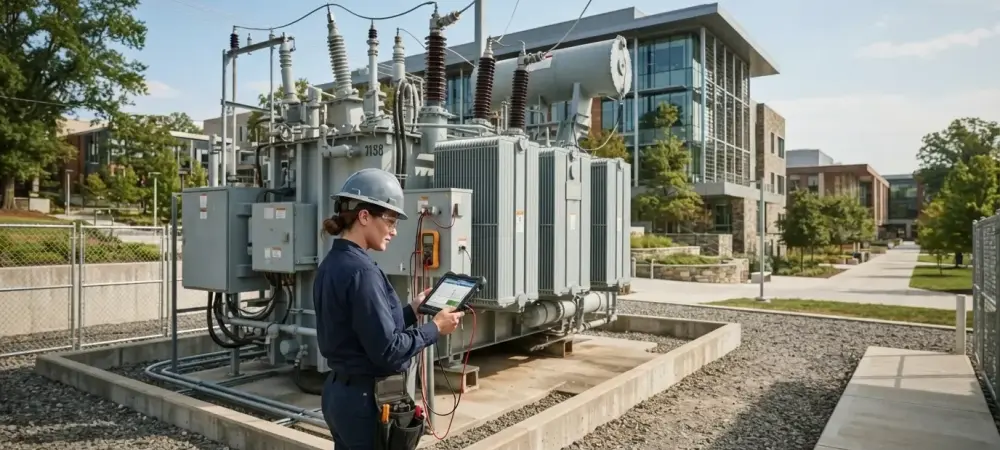
The Grid Protectors Program serves as a vital commitment to ensure that the massive energy needs of high-compute clusters do not compromise the stability of the local community’s power supply. Developers have pledged to implement load smoothing and even supply power back to the grid during times of extreme strain to prevent brownouts or price spikes for residents. There is also a concrete promise to provide insurance against stranded assets, protecting the community from financial loss if a project is delayed, reduced, or canceled unexpectedly. This approach acknowledges the sensory reality of living near a high-drain facility, where the reliability of the grid is a constant concern for everyone in the area. By signing a national Ratepayer Protection Pledge, these companies are trying to prove they can be responsible stewards of the shared utility ecosystem rather than just massive consumers.
What is your forecast for the relationship between AI infrastructure and local governance?
I expect that the next few years will see a transition from vague promises of community support to highly regulated, contractually binding local investments. The 56 percent of voters who prioritized data center issues in recent polls have created a permanent shift in how local officials must approach these negotiations to stay in office. We will likely see these “compute campuses” becoming integral parts of regional energy planning, moving beyond simple consumption to active participation in grid management and load balancing. If the industry fails to deliver on its promises regarding housing stability and education access, the current wave of transparency will be viewed as a mere marketing exercise. However, the shift away from NDAs sets a new baseline for accountability that will be very difficult for any developer to roll back as the demand for AI capacity continues to grow.