

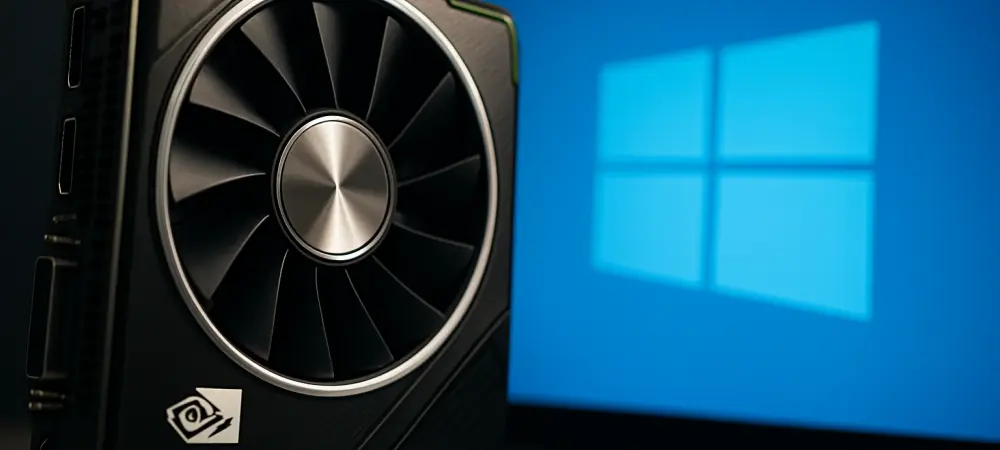
Imagine a world where millions of gamers and tech enthusiasts wake up to find their trusted operating system, Windows 10, no longer supported by Microsoft as of this year. With a vast user base still relying on this platform for gaming and productivity, the looming question is how key players like NVIDIA, a titan in the graphics card industry, will step up to ensure continuity. This roundup dives into diverse perspectives from industry analysts, tech communities, and user feedback to explore NVIDIA’s plans for supporting Windows 10 after its end-of-life (EOL) and what it means for users navigating this critical transition.
Understanding the Context: Windows 10 EOL and NVIDIA’s Role
The cessation of Microsoft’s official support for Windows 10 marks a significant shift for a platform that still powers countless systems worldwide. Industry observers note that gamers, in particular, form a substantial portion of this user base, relying heavily on NVIDIA’s graphics technology for optimal performance. The challenge lies in balancing the push toward newer systems like Windows 11 with the reality of users who cannot or will not upgrade immediately due to hardware or cost constraints.
NVIDIA’s position as a leading GPU provider places it at the heart of this discussion. Tech forums and analyst reports emphasize that the company’s driver updates and software optimizations are crucial for maintaining system stability and gaming experiences on older platforms. This roundup aims to unpack how NVIDIA’s strategies are perceived across different stakeholders, highlighting both reassurances and concerns as support timelines unfold.
NVIDIA’s Support Plans: A Spectrum of Opinions
Support for Older GPU Architectures: Maxwell, Pascal, and Volta
Feedback from tech communities suggests that NVIDIA’s commitment to older GPU architectures like Maxwell, Pascal, and Volta is a mixed bag. The plan to release a final Game Ready Driver this year, followed by quarterly security updates until 2028, has been praised by some as a generous extension, surpassing typical industry standards by offering support for up to several years. User discussions on gaming platforms highlight appreciation for this buffer, especially for budget-conscious individuals with legacy systems.
However, dissenting views from cybersecurity analysts point out potential vulnerabilities. While quarterly updates address critical security patches, they argue that the lack of regular performance enhancements could leave systems exposed to evolving threats. This perspective raises questions about whether NVIDIA’s timeline truly safeguards users or merely delays inevitable risks in a rapidly changing digital landscape.
A contrasting angle from hardware enthusiasts suggests that this phased approach reflects a pragmatic compromise. They note that extending security updates until 2028 provides a reasonable window for users to plan upgrades, though it might not fully address the needs of those heavily invested in older setups for niche applications. This diversity of thought underscores the complexity of supporting aging technology amid modern demands.
Extended Support for GeForce RTX GPUs: A Temporary Lifeline
Turning to GeForce RTX GPUs, NVIDIA’s decision to extend Game Ready Driver updates until next year garners significant attention in gaming circles. Community reviews commend this move for ensuring day-0 optimizations for new game releases, allowing users to enjoy seamless experiences for an additional year post-EOL. Examples shared by gamers highlight how this support could bridge the gap during major title launches expected in the near term.
Yet, some industry watchers caution against over-optimism. Reports circulating among tech blogs suggest that once this support ends in 2026, users might face performance hiccups or compatibility issues with future games. This concern is echoed by users in regions with slower upgrade cycles, who fear being left behind as new software demands outpace their hardware capabilities.
A balanced viewpoint from system integrators acknowledges NVIDIA’s effort to prioritize RTX users but questions the long-term viability of this strategy. They argue that while the extra year offers breathing room, it may not fully prepare users for the inevitable shift away from Windows 10, especially for those reliant on cutting-edge graphics performance. These varied insights paint a picture of cautious relief tempered by looming uncertainty.
Post-2026 Landscape: Emerging Challenges and Concerns
Looking beyond 2026, the cessation of updates for GeForce RTX GPUs sparks heated debate among tech analysts. Many predict a rise in compatibility challenges, with new game titles potentially refusing to run optimally on unsupported drivers. User feedback on forums reveals anxiety over potential glitches that could disrupt immersive gaming sessions, a concern amplified for competitive players who depend on peak performance.
Regional disparities add another layer of complexity, as noted by global tech observers. In areas where economic factors slow the adoption of Windows 11, the lack of ongoing support could disproportionately impact users, creating a digital divide. Some speculate that this might push communities to seek unofficial workarounds, though such solutions often come with their own risks.
A more systemic concern raised by industry commentators focuses on security implications. Without updates after 2026, systems may become prime targets for exploits, especially as cyber threats grow more sophisticated. This perspective urges users to weigh the cost of prolonged use against the benefits of transitioning sooner, highlighting a critical decision point on the horizon.
Third-Party Solutions: Alternative Paths for Windows 10 Users
The emergence of third-party solutions like 0patch, which offers critical security patches until 2030, has caught the attention of tech reviewers. This initiative is hailed as a lifeline for users hesitant to upgrade, providing a way to maintain system integrity without relying solely on NVIDIA or Microsoft. Community discussions reflect hope that such efforts could inspire similar driver support alternatives, though skepticism remains about their scalability.
Comparing NVIDIA’s corporate strategy to these grassroots solutions, some analysts suggest that third-party options reveal a gap in official support frameworks. They argue that while NVIDIA’s timeline is structured, it may not fully address the diverse needs of a global user base, potentially prompting more independent patches or tools to emerge in response to demand.
User testimonials add depth to this conversation, with many expressing curiosity about how third-party avenues might evolve. There is a sense that these alternatives could influence NVIDIA’s future policies, pushing the company to reconsider the duration or scope of its support. This dynamic interplay between official and unofficial solutions underscores a broader trend of user-driven innovation in tech ecosystems.
Key Takeaways and User Guidance from the Roundup
Synthesizing the range of perspectives, NVIDIA’s phased support strategy emerges as a focal point. The extension of Game Ready Drivers for GeForce RTX GPUs until 2026, alongside security updates for older architectures until 2028, is seen as a commendable effort by many, though not without limitations. Gaming communities and analysts alike stress the importance of understanding these timelines to avoid unexpected disruptions in performance or security.
Practical advice gleaned from user experiences includes planning system upgrades within the support window, especially for those using RTX GPUs. Exploring third-party patches like 0patch is another suggestion for extending Windows 10’s usability, particularly for users facing hardware or financial barriers to upgrading. Additionally, optimizing current systems by disabling unnecessary background processes can help maintain performance as official updates taper off.
Staying informed about NVIDIA’s announcements is also critical, as highlighted by tech enthusiasts. Monitoring official channels for driver updates or policy shifts can prepare users for potential compatibility hurdles with new software. These actionable tips, drawn from a broad spectrum of opinions, aim to empower Windows 10 users to navigate this transition with confidence.
Reflecting on the Broader Implications of Tech Transitions
Looking back, the discourse around NVIDIA’s support for Windows 10 after its EOL reveals a delicate balance between corporate responsibility and technological progress. The varied opinions from gamers, analysts, and tech communities illuminate both the strengths and gaps in the planned timelines, underscoring the challenges of supporting legacy systems in a fast-evolving industry.
For future considerations, users are encouraged to proactively assess their hardware needs against upcoming software demands, potentially investing in incremental upgrades to avoid sudden obsolescence. Exploring community-driven resources and third-party tools also emerges as a viable strategy to bridge support gaps. Ultimately, this roundup points to a shared responsibility—between companies like NVIDIA and users—to adapt thoughtfully, ensuring that the shift to newer platforms minimizes disruption while fostering innovation.