
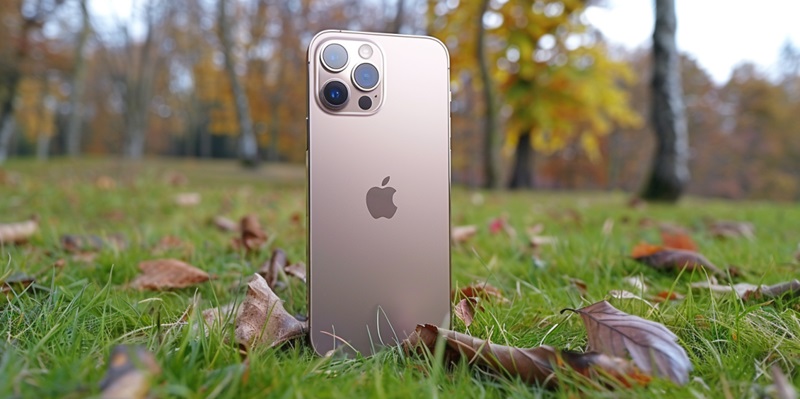
How Will iPhone 16 Pro Max’s Camera Reshape Mobile Photography?

The imminent launch of the iPhone 16 Pro Max is poised to herald a new era in mobile photography. The incorporation of the new Sony IMX903 sensor marks a pivotal leap forward, showcasing a dramatic 48-megapixel resolution that thrusts it into the professional imaging sphere. This substantial pixel bump not only means finer detail capture but also brings about a 12% increase in the sensor’s size when compared to its predecessor, the iPhone 15 Pro Max. With these enhancements, the upcoming iPhone is expected to perform impeccably in low-light scenarios, outdoing itself with crisper images and richer textures that could satiate even the most discerning of photographers.

The Intricacies of Higher Resolution

Moving to a higher resolution camera system is not without its complications. The benefits of increased detail and improved low-light performance may be offset by the potential drawbacks. For one, images with a higher pixel count are considerably larger in size. This could place additional demands on the device’s storage capacity and its image processing prowess. There lies the intricate balance between harnessing the technology and managing the resources effectively to maintain, if not enhance, user experience. Apple’s track record suggests that it may employ new image compression techniques or beef up the internal components to tackle this issue head-on, but only time will reveal the efficacy of such solutions.

User Experience and Value Proposition

The soon-to-be-released iPhone 16 Pro Max is set to revolutionize mobile photography with its groundbreaking Sony IMX903 sensor. This 48-megapixel marvel not only promises to deliver images with unprecedented detail but also features a sensor size that surpasses its forerunner, the iPhone 15 Pro Max, by 12%. Such an upgrade is a significant nod towards professional-grade photography, enabling users to capture more nuanced and vivid pictures, especially in challenging low-light conditions. The iPhone 16 Pro Max’s capability to render sharper images with enhanced textures is expected to appeal strongly to professional photographers who demand the highest quality from their mobile devices. This new model from Apple is thus poised to exceed expectations and set a new benchmark in smartphone imaging technology.

Explore more

Trend Analysis: Alternative Assets in Wealth Management

The traditional dominance of the sixty-forty portfolio is rapidly dissolving as high-net-worth investors pivot toward the sophisticated stability of private market ecosystems. This transition responds to modern volatility and geopolitical instability. This analysis evaluates market data, real-world applications, and the strategic foresight required to navigate this new financial paradigm. The Structural Shift Toward Private Markets Market Dynamics and Adoption Statistics

Trend Analysis: Embedded Finance Performance Metrics

While the initial excitement surrounding the integration of financial services into non-financial platforms has largely subsided, the industry is now waking up to a much more complex and demanding reality where simple growth figures no longer satisfy cautious stakeholders. Embedded finance has transitioned from a experimental novelty into a foundational layer of the global digital infrastructure. Today, brands that once

How to Transition From High Potential to High Performer

The quiet frustration of being labeled “high potential” while watching peers with perhaps less raw talent but more consistent output secure the corner offices has become a defining characteristic of the modern corporate workforce. This “hi-po” designation, once the gold standard of career security, is increasingly viewed as a double-edged sword that promises a future that never seems to arrive

Trend Analysis: AI-Driven Workforce Tiering

The long-standing corporate promise of a shared destiny between employer and employee is dissolving under the weight of algorithmic efficiency and selective resource allocation. For decades, the “universal employee experience” served as the bedrock of corporate culture, ensuring that benefits and protections were distributed with a degree of egalitarianism across the organizational chart. However, as artificial intelligence begins to fundamentally

Trend Analysis: Systemic Workforce Disengagement

The current state of the global labor market reveals a workforce that remains physically present yet mentally absent, presenting a more dangerous threat to corporate stability than a wave of mass resignations ever could. This phenomenon, which analysts have termed the “Great Detachment,” represents a paradoxical shift where employees choose to stay in their roles due to economic uncertainty while