

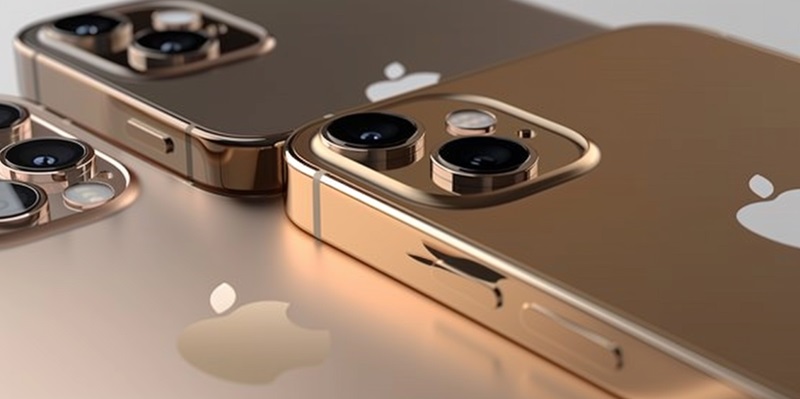
The tech sphere is abuzz as the launch of iOS 18 and the iPhone 16 series nears. Apple is poised to redefine smartphone capabilities with the integration of sophisticated on-device AI in these new offerings. On-device AI represents a paradigm shift, bringing AI processing directly to the phone, which means tasks that once required internet connectivity for cloud-based computation can now be handled locally on the iPhone itself.
This innovation is not just about enhancing phone features. It emphasizes privacy, as data need not leave the device for processing, addressing growing concerns about data security in an increasingly digital age. Additionally, on-device AI promises to boost the iPhone’s functionality, streamlining operations like language processing, image recognition, and personalized suggestions, which could lead to seamless and more responsive user experiences.
Apple’s move into advanced on-device AI with the iPhone 16 series and iOS 18 signifies a revolutionary leap in the mobile industry. This technology is expected to optimize how users engage with their devices, potentially setting new standards for the smartphone experience. It encapsulates the future of mobile technology, where powerful, efficient, and privacy-centric AI tools are at the core of everyday mobile interactions.
Facilitating Smarter User Experiences
On-device AI is poised to dramatically change how users interact with their iPhone 16 devices. By processing data directly on the phone, rather than sending it to the cloud, on-device AI can offer personalized experiences at lightning speeds. For instance, predictive typing is expected to become more accurate and context-aware, adjusting to individual language use patterns. Additionally, Siri, Apple’s virtual assistant, will likely become more responsive and capable of handling complex tasks with ease. These enhancements will be driven by the power of the A16 chipset, which promises the raw computational might needed for such sophisticated AI applications.
Not only will on-device AI expedite the ways we interact with apps, but it will also introduce new security features. Face recognition could become faster and more accurate, improving the phone’s unlock mechanism and making transactions more secure. Moreover, the AI could detect unusual patterns of phone usage that may indicate security breaches, providing users with prompt alerts. These features will benefit from iOS 18’s robust privacy protections, ensuring that sensitive personal data is kept strictly on the device, away from the potential vulnerabilities of cloud storage.
Revolutionizing Photography and Real-Time Translation
The iPhone 16 series is poised to redefine smartphone photography with next-level on-device AI integration. Computational photography will allow users to take photos with incredible clarity and adaptive lighting. Instant photo adjustments, enhanced subject focus, and post-shot tweaks will cater to user tastes, potentially rendering external editing tools obsolete.
Language translation on the iPhone will also see significant advancements. The combination of a speedy chipset and refined algorithms promises near-instantaneous translations, even of complex or colloquial speech. This could revolutionize communication in international contexts. Plus, Apple’s commitment to privacy means translations are processed on the device itself, keeping data secure.
Anticipation is high for iOS 18 and the new iPhone features, which suggest an amalgamation of advanced technology and user-centric design. This progress may further cement Apple’s leadership in the smartphone sector, offering consumers an intelligent, intuitive, and secure mobile experience that’s at the forefront of tech innovation.