

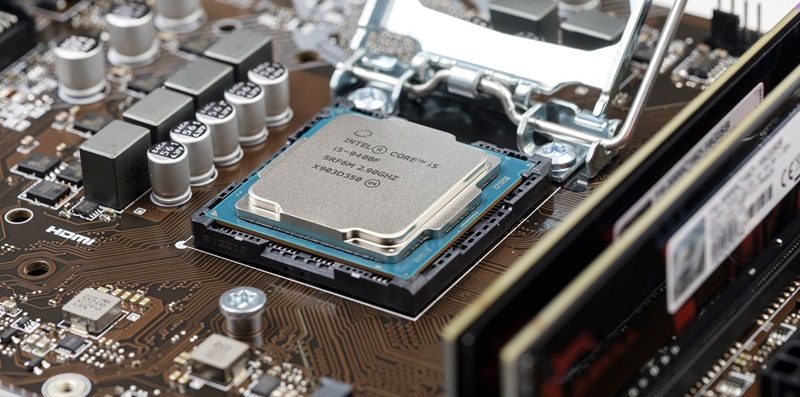
Intel’s Lunar Lake CPUs are poised to dramatically transform the mobile computing scene, targeting the thin and light laptop sector. These upcoming processors promise to combine superior performance with remarkable efficiency, as Intel sets its sights on establishing new standards in both energy management and processing power. The introduction of Lunar Lake is anticipated to create waves in the tech world, offering advancements that could redefine user expectations and experiences. As Intel gears up for the launch, the tech community keenly awaits the impact these CPUs will have, and how they will compete with existing market offerings. This leap forward by Intel could ultimately push the boundaries of what’s achievable in portable computing, challenging competitors and inspiring a new generation of devices.
Unprecedented Performance Uplift
The 50% Multi-Threaded Performance Boost
Intel’s upcoming Lunar Lake processors are set to deliver a remarkable 50% boost in multi-threaded performance compared to their Meteor Lake predecessors. This significant jump is likely due to Intel’s enhanced core design, as suggested by scores from authoritative benchmarking platforms like Cinebench and Geekbench. The potential of this improvement is considerable, suggesting that Lunar Lake will not only tackle existing tasks with increased speed but will also accommodate more intensive future applications. This advance in processing capability promises to create a smoother and more powerful computing experience, whether for professional use or entertainment purposes. By stepping up its game with Lunar Lake, Intel seems to be paving the way for the next generation of computing, ensuring that users are equipped to handle evolving digital demands.
P-Cores Without Hyper-Threading: A Bold Move
Intel’s shift away from integrating hyper-threading in the P-Cores of its forthcoming Lunar Lake CPUs has turned heads in the tech community. Historically, hyper-threading has been a staple in Intel’s approach to achieving high-performance processing. However, the new strategy indicates Intel is prioritizing core design optimization over traditional virtual multi-threading techniques.
By leveraging the capabilities of its Lion Cove and Skymont architectures, Intel seems to be placing a bet on raw core efficiency and robust multi-threaded performance through actual core strength rather than simulated threads. This move suggests a belief that the intrinsic power and efficiency of these new cores will adequately handle demanding workloads, potentially leading to gains in performance and energy efficiency.
Intel’s decision reflects a wider industry trend prioritizing innovation in architecture over increasing thread counts. As competition in the processor market heats up, the impact of this change will be closely scrutinized, especially in how well these CPUs perform under real-world multi-threaded applications. It also sheds light on Intel’s confidence in their architectural design choices and their commitment to adapting to evolving computing needs.
Enhanced Graphics and AI Capabilities
The Dawn of Xe2 Battlemage GPU Architecture
Intel’s integration of the groundbreaking Xe2 “Battlemage” GPU architecture marks a significant shift in the realm of integrated graphics. This new development is anticipated to revolutionize the sector by offering doubled visual computing power, making it a game-changer for lightweight devices. With the leap in performance, users can expect greatly enhanced experiences in gaming and media-driven activities on portable platforms.
The introduction of the Xe2 architecture signifies not just an adaptation to the ever-growing appetite for high-definition content, but also a step towards nurturing emerging multimedia and virtual reality applications. Intel’s efforts to push the boundaries of integrated graphics with this advancement will likely shift the baseline for what’s possible with on-the-go entertainment and content creation. As a result, Intel’s Battlemage positions itself as a pivotal innovation that has the potential to transform user expectations and experiences with portable computing powerhouses.
The Tripling of Neural Processing Unit (NPU) Performance
Lunar Lake is setting new benchmarks in the realm of AI-centric computing with a remarkable threefold increase in its Neural Processing Unit (NPU) performance. This enhancement is a quantum leap for AI-dependent applications like voice recognition and image processing. It signifies a future where technology is not just faster, but significantly more adept at understanding and responding to human needs. By tripling the NPU capabilities, Lunar Lake ensures that machine learning algorithms and various AI workloads can function with unprecedented speed and efficiency.
This leap in AI computing capability means systems powered by Lunar Lake will be markedly more efficient at processing complex AI tasks. The benefit is twofold—on one hand, real-world AI applications such as personal assistants, advanced driver-assistance systems, and automated, real-time translations will be much more sophisticated and fluid. On the other hand, developers can work with more complex AI models without being bottlenecked by hardware limitations. With Lunar Lake’s advancements, the computing landscape is poised to become more intuitive, making technology that learns and reacts in real-time no longer a thing of futuristic speculation, but a present reality.
Building for the Future: Efficiency and Innovation
Power Management and Thermal Design
Intel’s Lunar Lake CPUs were initially associated with a 17W TDP designed for single-fan laptop setups. Recognizing the diverse needs of OEM partners, Intel has reworked its power strategy to be more versatile. The TDP can now be raised up to 30W, allowing manufacturers more leeway in balancing performance with power consumption. This shift reflects Intel’s adaptable approach, aiming to meet an array of performance demands.
These processors entice OEMs who wish to achieve an optimal balance between efficiency and power in their various laptop designs, ensuring that both lightweight, ultra-portable options and more robust, performance-heavy models can be catered to. Intel’s commitment to flexibility in CPU power specifications denotes their proactive stance in acknowledging the varying requirements of today’s tech landscape. Ultimately, this strategy underscores Intel’s dedication to providing robust and adaptive CPU choices that align closely with the specific needs of their OEM partners and end-users’ expectations.
Supporting the Latest Memory and Execution Units
Lunar Lake CPUs emerge as leaders in the realm of memory innovation, integrating the advanced LPDDR5x RAM to propel computing speed and efficiency. This memory technology stands as a new milestone in the industry, significantly enhancing the performance envelope for portable computing devices. Additionally, Lunar Lake’s potential integrated GPUs, boasting up to 64 execution units, promise a transformative improvement in graphical performance. This is particularly exciting for users of thin and light laptops, who may soon experience unparalleled graphics that redefine their expectations and set higher standards for such devices. This cutting-edge combination of memory and GPU power in Lunar Lake CPUs is a testament to the relentless progress in semiconductor technology, aiming to deliver a seamless and more immersive computing experience for users across the board.
Looking to the Horizon: Market Introduction and Impact
The Anticipation for Computex 2024 and Beyond
With Computex 2024 on the horizon, the tech world is brimming with anticipation for Intel’s deep dive into Lunar Lake. This key tech event is set to provide a more detailed understanding of how Lunar Lake will impact the tech scene. Enthusiasts and professionals alike are eager to absorb the forthcoming details, scrutinizing the potential that Lunar Lake processors hold for redefining the industry.
Speculation is rampant, with many predicting that these processors will be well-received due to their prospective innovation and capacity to revolutionize current technologies. Each iteration of Intel’s CPU lineup comes with expectations of enhanced performance and efficiency, and Lunar Lake is no exception. As the event draws near, the tech community is on tenterhooks, ready to dissect every piece of information that will unveil the future trajectory of Intel’s processor technology and its effects on computing standards. This anticipation is reflective of the crucial role such advancements play in shaping the trajectory of technology as a whole.
Setting New Benchmarks in Mobile Processors
Intel’s Lunar Lake CPUs are poised to set new industry standards with their performance-per-watt metrics. These advancements are a testament to Intel’s dedication to pushing the boundaries of mobile processor technology, heralding a new chapter for computing where efficiency and high performance are no longer mutually exclusive. The broader impact on the future of mobile computing is promising, as these innovations could redefine what’s possible for portable devices.
Engagement Wrap-up
As we edge closer to the official launch of Lunar Lake, the expectations for a seismic shift in mobile computing are palpable. With computational power, efficiency, and AI capabilities all set to take a generational step forward, the narrative surrounding Intel’s future offerings is one of enthusiasm and intrigue. How will these CPUs shape the devices and experiences of tomorrow? Only time—and the eventual mass-market adoption—will tell.