

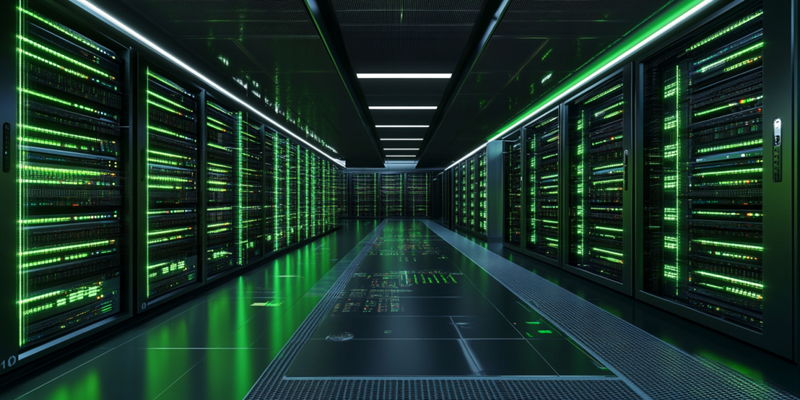
The recent announcement about the establishment of a green data center in Egypt marks a significant stride towards the future of data storage and management. This ambitious project is a collaborative effort between the Egyptian government and a powerful alliance, reflecting Egypt’s commitment to becoming a strategic hub for data management and outsourcing services. Notably, this center is not just another data facility; it’s set to be an eco-friendly initiative, aligning with the global push for sustainable technologies and the rising demand for powerful AI services.
Egypt’s Vision for the Green Data Center
Governmental Collaboration and Support
The proposed green data center receives substantial backing from key figures in the Egyptian government. Prime Minister Mostafa Madbouly chaired a crucial meeting where essential facets of the project were meticulously discussed. Minister of Housing, Utilities, and Urban Communities, Sherif El-Sherbiny, emphasized the Ministry’s dedication to expediting necessary requirements such as land allocation for the center, underscoring the project’s priority within the national agenda. This high-level government involvement signifies not only approval but also active support, paving the way for a swift and efficient project rollout.
The collaboration extends beyond mere endorsement. The Minister of Communications and Information Technology, Amr Talaat, declared a robust partnership with the National Telecommunications Regulatory Authority (NTRA) to ensure that the technical and regulatory conditions are meticulously met. This governmental synergy reflects Egypt’s broader strategy to foster an investment-friendly environment, especially in tech and service sectors. By ensuring the project complies with international standards, the government aims to attract global investors and cement Egypt’s reputation as a forward-thinking technology hub.
Strategic Economic Positioning
Egypt’s focus on establishing itself as a prime destination for data management and outsourcing is abundantly clear. This ambition is underpinned by projections that the country’s outsourcing exports sector will reach $9 billion by 2026. The green data center is pivotal in capitalizing on this trend, providing a sustainable solution that caters to the surging global need for data storage and processing services. The initiative demonstrates Egypt’s understanding of the economic importance of data as a commodity and its strategic move to become a central player in this market.
This economic strategy is not just about immediate gains but also about long-term positioning. Egypt envisions placing itself at the forefront of green technology, aligning with global efforts to combat climate change. This approach demonstrates the country’s foresight in integrating sustainability within its economic growth plans, which is likely to attract significant international investments. Setting up an eco-friendly data center illuminates Egypt’s broader commitment to sustainable economic development, firmly positioning it as an attractive destination for future tech investments.
Technical and Regulatory Framework
Meeting Global Standards
One of the core aspects discussed in the meeting was the project’s alignment with global trends towards green technologies. The technical and regulatory framework is crucial for the successful implementation of such an advanced initiative. The discussion involved representatives from the alliance presenting detailed designs and strategies to ensure that the data center operates within the highest international environmental standards. Meeting these global standards is essential for the project’s credibility and its ability to attract international clients who are increasingly prioritizing sustainability.
Understanding and implementing these standards involves rigorous planning and coordination. The involvement of the National Telecommunications Regulatory Authority (NTRA) underscores the importance of ensuring that all technical requirements are not only met but optimized. This focus on compliance and excellence is integral to the project’s success and its ability to set benchmarks in the industry. The approach ensures that every aspect of the data center, from energy usage to its carbon footprint, will meet stringent environmental regulations, making it a model for future green technology projects worldwide.
Design and Location
The deliberations also included potential locations for the center, with a keen emphasis on environmental compatibility. Selecting an optimal site involves considering several variables including energy efficiency, natural resource availability, and minimal environmental impact. Preliminary design concepts aim to incorporate renewable energy sources and cutting-edge sustainable technologies. These considerations ensure that the data center will be both environmentally responsible and economically viable, reducing operational costs in the long term.
The design philosophy embraces a holistic approach, ensuring that the data center is not only technologically advanced but also environmentally responsible. This dual focus sets a new standard for future data centers globally, showcasing how economic and environmental goals can be harmoniously achieved. By integrating renewable energy sources and sustainable practices, the green data center will demonstrate how cutting-edge technology can operate in an eco-friendly manner, paving the way for more facilities of this kind.
Egypt’s Commitment to Sustainability
Broader Government Initiatives
Egypt’s government has been proactive in integrating sustainable solutions across various sectors. Collaborative ventures with the UK in renewable energy and sustainable transportation projects exemplify this commitment. These initiatives aim to reduce dependency on imported liquefied gas, advancing the nation’s energy independence while promoting green growth. This proactive stance on sustainability is crucial for positioning Egypt as a leader in green innovations, contributing to the global push towards a more sustainable future.
Such comprehensive strategies highlight Egypt’s broad vision of sustainability. The green data center is part of a constellation of projects aimed at transforming the country’s economic landscape in line with environmental goals. This synergy between different sectors ensures a coherent and unified approach to sustainable development. By aligning economic objectives with environmental imperatives, Egypt is laying the groundwork for a future where growth and sustainability are not mutually exclusive but mutually reinforcing.
Contributions to Global Climate Goals
The establishment of the green data center is a testament to Egypt’s dedication to contributing to global climate goals. By investing in eco-friendly infrastructures, Egypt is not only addressing domestic environmental challenges but also positioning itself as a leader in international climate initiatives. This proactive stance is increasingly crucial in an era where global warming and environmental degradation are pressing concerns. It presents Egypt as a responsible global player committed to sustaining the environment while fostering economic development.
Moreover, the initiative complements other global efforts to incorporate green technologies within the tech industry. As more countries and corporations commit to sustainable practices, Egypt’s green data center exemplifies how emerging economies can play pivotal roles in this transition. By adopting cutting-edge sustainable technologies, Egypt is not only keeping pace with global trends but also setting the stage for other countries to follow its lead.
Strengthening International Relations
Diplomatic Engagements
Aside from technological advancements, Egypt’s strategic efforts to strengthen its global standing are reflected in diplomatic activities. The recent visit of Foreign Minister Abdelatty to Washington, aiming to bolster Egypt-US relations, underscores the importance of maintaining robust international partnerships. These engagements not only enhance Egypt’s geopolitical influence but also create avenues for international collaborations in projects like the green data center. Diplomatic activities support the nation’s broader strategy of integrating into the global economy through sustainable development.
By engaging in these high-level discussions, Egypt ensures that its initiatives receive the necessary international recognition and support. Such diplomatic efforts pave the way for future collaborations, providing a platform for sharing knowledge, technology, and best practices. Strengthened international relations enhance Egypt’s ability to secure foreign investments, crucial for the successful realization and sustained operation of large-scale projects like the green data center.
Investment Attraction
The recent announcement about the establishment of a green data center in Egypt signifies a major leap forward in the realms of data storage and management. This ambitious undertaking is a joint effort between the Egyptian government and a formidable alliance of partners, underscoring Egypt’s determination to become a pivotal hub for data management and outsourcing services. What sets this center apart is its commitment to environmental sustainability; it’s designed to be a green initiative. This move aligns perfectly with the global shift towards sustainable technologies and meets the growing demand for advanced AI services.
Furthermore, this data center will leverage cutting-edge technologies to minimize its carbon footprint and optimize energy use. The eco-friendly infrastructure is expected to set new standards in the industry, promoting efficient energy consumption and responsible waste management. By integrating renewable energy sources and implementing advanced cooling technologies, the center aims to drastically reduce its environmental impact. This visionary project not only positions Egypt as a leader in data management solutions but also showcases its commitment to global environmental goals.