

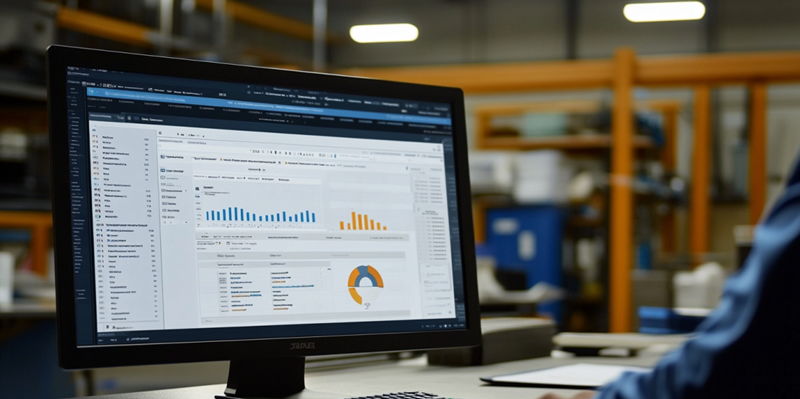
The impending transition from Dynamics GP (Great Plains) Manufacturing to Dynamics 365 Business Central is causing ripples in the manufacturing industry. Microsoft’s announcement to cease new licenses for Dynamics GP by April 2025 and end support by January 2028 has created an urgent need for businesses to strategize a move to a new ERP system. This significant change necessitates careful planning, data migration, user training, and integration of existing processes into the new platform to ensure a smooth transition.
Customization and Integration Capabilities
Enhanced Flexibility of Business Central
Dynamics GP users have long appreciated the system for its stability and reliable performance, but its rigidity has also been a limitation. One of the primary advantages of transitioning to Dynamics 365 Business Central is its advanced customization and integration capabilities. Unlike Dynamics GP, which can be more challenging to adapt to specific business requirements, Business Central offers extensive customization tools. These tools enhance operational efficiency and user satisfaction by allowing businesses to tailor the system to their unique needs.
The flexibility of Business Central means that companies can integrate various third-party applications seamlessly, streamlining all processes into one cohesive system. Businesses no longer need to invest in additional software solutions to bridge gaps in functionalities. Instead, they can leverage the robust ecosystems of applications available within Business Central. This robust integration capability ensures that companies can maintain their operational workflows while benefiting from enhanced features.
Streamlined Data Management
Data management is at the heart of any ERP system, and Business Central excels in this area. Dynamics GP users often find themselves dealing with cumbersome data import and export processes. However, Business Central simplifies these tasks through its intuitive interface and robust data import features. Manufacturing companies need to manage vast amounts of data related to production, inventory, and sales. Business Central’s seamless data integration minimizes disruptions and maintains data integrity during migration.
The importance of efficient data management cannot be overstated, as it impacts decision-making and overall efficiency. Business Central’s ability to handle data more effectively than Dynamics GP translates into meaningful business insights and better performance tracking. With access to up-to-date, accurate data, manufacturers can make informed decisions that drive growth and profitability.
Sales Order Management
Superior Assemblies and Kitting Functionalities
Sales order management is a critical component of any manufacturing ERP system. Dynamics GP features an integrated Sales Configurator that has been beneficial for managing complex product configurations. Yet, as businesses evolve and customer demands become more sophisticated, the need for more advanced functionalities arises. Business Central addresses this need with its superior assemblies and kitting functionalities, making it an ideal choice for companies requiring comprehensive inventory management and product assembly features.
Assemblies and kitting in Business Central allow manufacturers to streamline their production processes by grouping various components into a single unit, thereby optimizing inventory management. This capability is particularly beneficial for manufacturing companies with complex product lines that require efficient handling and assembly. The system’s ability to manage these intricacies ensures that production schedules are met, and customer orders are fulfilled promptly.
Improved User Interface
Another significant advantage of Business Central over Dynamics GP in sales order management is its improved user interface. The modern, intuitive design of Business Central makes it easier for users to navigate and complete tasks efficiently. This ease of use translates into shorter training periods for employees transitioning to the new system and ultimately leads to greater productivity. Sales teams can quickly adapt to Business Central’s interface, streamlining their workflow and enhancing their ability to manage orders accurately and on time.
The improved user interface also facilitates better customer interactions. Sales representatives can access vital information about inventory levels, production schedules, and customer orders in real-time, allowing them to provide timely and accurate updates to clients. This level of service can significantly improve customer satisfaction and loyalty, giving manufacturing companies a competitive advantage in the market.
Production Manufacturing
Robust Data Import Features
In the realm of production manufacturing, efficient data handling and transfer are crucial. Dynamics GP has served its users well, but Business Central’s robust data import features stand out. This capability allows for seamless data loading and integration, which is essential to the uninterrupted management of production processes. The transition phase, involving data migration from Dynamics GP to Business Central, can be complex, but the advanced features of Business Central mitigate many of the challenges typically associated with this process.
For manufacturing companies, this means that production data, inventory records, and order information can be efficiently transferred without significant downtime or errors. The system’s ability to manage large volumes of data with minimal disruptions is critical to maintaining production efficiency. Companies can be confident that their data is securely and accurately imported, ensuring continuity in their manufacturing operations.
Efficiency in Production Processes
The manufacturing industry is facing notable changes as Dynamics GP (Great Plains) Manufacturing transitions to Dynamics 365 Business Central. Microsoft has announced it will stop offering new licenses for Dynamics GP by April 2025 and will end support for the system by January 2028. This announcement has created a pressing need for businesses using Dynamics GP to plan their shift to a new ERP system.
This transition is significant and demands thorough planning to avoid disruptions. Companies must focus on detailed data migration, ensure that their workforce receives proper training, and integrate their existing processes into the new Dynamics 365 platform. The shift also calls for addressing compatibility issues and customizing the new system to meet specific business needs.
This period of change, though challenging, provides an opportunity to modernize operations, improve efficiency, and leverage advanced features in Dynamics 365 Business Central. Preparing effectively for this transition will be crucial for maintaining business continuity and achieving long-term success in an evolving technological landscape.