

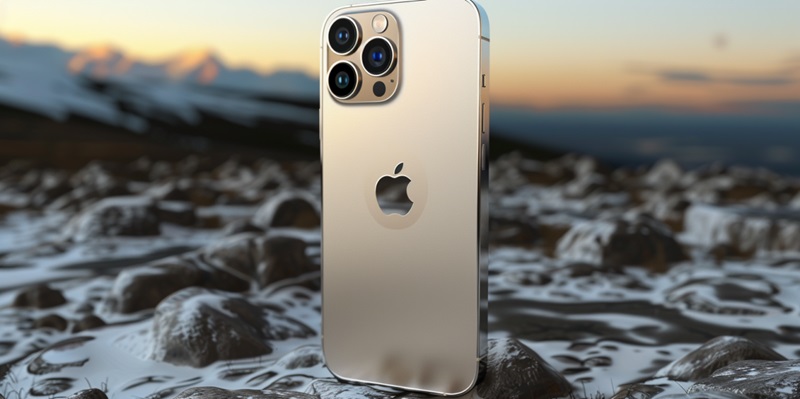
Apple has introduced significant advancements in artificial intelligence (AI) for the iPhone 15 Pro, marking a major step in its innovation strategy. Integrating AI into the iPhone 15 Pro and Pro Max models, along with select iPads and Macs powered by A17 Pro or higher processors, the new iOS 18 update expands AI functionalities to a broader range of devices. Key capabilities include document summarization, audio note transcription, and intelligent response suggestions. The new Siri interface, enhanced with AI, will also be available on certain iPad and Mac models with M1 processors or higher, although some devices like the iPad mini and standard models will not support these enhancements.
Augmented Reality and Intelligent Camera Functions
Enhanced AR Capabilities
The move reflects Apple’s growing investment in AI R&D aimed at enhancing user experience and device functionality. One of the standout features is augmented reality (AR). The enhanced AI capabilities promise to bring new depth and realism to AR apps. For instance, developers can now create more immersive gaming experiences and innovative educational tools that blend the physical and digital worlds seamlessly. Users can expect unprecedented levels of interactivity, such as virtual objects that respond to real-world physics and lighting.
With enhanced AR, the iPhone 15 Pro can also improve everyday tasks. Virtual try-ons for clothing or furniture could become more accurate and reliable. In workplaces, AR can assist with intricate tasks like assembling machinery or visualizing architectural projects. This translates to a smoother, more intuitive user experience, and therefore higher user satisfaction. It is clear that AR will not just be for entertainment but will have practical applications in various fields, bringing tangible benefits to businesses and consumers alike.
Intelligent Camera Features
The camera capabilities of the iPhone 15 Pro have also received a significant boost from AI integration. Enhanced image recognition and computational photography make taking high-quality photos and videos simpler and more intuitive. Features like intelligent scene detection and real-time photo enhancement can automatically adjust settings to capture the best possible image, taking into account everything from lighting conditions to subject movement.
AI-driven camera features extend beyond just photography. Video recording and editing get a substantial upgrade with smart features like automatic scene transitions and stabilization, making it easier for even novice users to create professional-grade content. These improvements not only enhance the quality of media captured but also reduce the time and effort required to perfect each shot or video clip. This adept use of AI technology showcases Apple’s commitment to combining simplicity with sophistication, enhancing the user experience through intelligent automation.
Boosting Productivity and User Interaction
Advanced Productivity Tools
Another significant area enhanced by Apple’s AI evolution is productivity. New AI-driven applications offer functionalities like document summarization and audio note transcription, which can revolutionize how users manage information. With document summarization, key points are extracted from lengthy texts, enabling quicker review and understanding, which is critical for business professionals or students. Audio note transcription transforms spoken words into written text instantly, which is invaluable for meetings, lectures, or any scenario requiring quick note-taking.
These advancements aim to make users more efficient and organized. Predictive text input, powered by AI, assists in generating emails, messages, and documents faster and with fewer errors. This predictive capability learns from the user’s language patterns and preferences, making interactions with the device smoother and more intuitive over time. In essence, Apple’s focus on AI-driven productivity tools reflects its commitment to enhancing the everyday efficiency of its users through smart, adaptive technologies.
The New Siri Experience
The enhanced version of Siri is another key element of Apple’s iOS 18 update. With AI improvements, Siri now offers more intelligent response suggestions and can handle more complex queries and commands. This makes Siri not only a more helpful assistant but also a more integral part of the daily user experience. Tasks like setting up reminders, searching for specific information, or controlling smart home devices become quicker and more intuitive, thanks to Siri’s enhanced capabilities.
Despite these advancements, the new Siri interface will be limited to devices with M1 processors or higher, excluding some models like the iPad mini and standard iPads. This selective compatibility raises concerns about accessibility and user experience disparities across different Apple products. While the improvements are set to significantly enhance interaction, users with older devices may not fully benefit from these updates. This underscores the importance of considering device compatibility and upgrade cycles in the broader rollout of these cutting-edge features.
Privacy Concerns and Future Expansions
Addressing Privacy and Security
A common theme across the developments is the seamless integration of AI to create smarter and more interconnected user experiences. Despite the potential advantages in productivity and personalized interactions, privacy concerns and compatibility issues present notable challenges. Data security and user privacy remain hot topics, especially when AI is involved in processing sensitive information. Apple assures users that their AI systems are designed with privacy in mind, employing on-device processing wherever possible to minimize data exposure.
Even so, skepticism remains among users and experts about how data is handled and stored. Ensuring that AI technologies respect user privacy without compromising functionality is a delicate balance. Apple’s rigorous stance on privacy gives it an edge over competitors, but ongoing vigilance, transparency, and adherence to best practices will be crucial in maintaining user trust. The company must navigate these challenges carefully to reassure users while delivering innovative, useful AI-driven features.
Future Expansions on the Horizon
Apple has ushered in remarkable advancements in artificial intelligence (AI) with the introduction of the iPhone 15 Pro, signifying a pivotal moment in its innovation trajectory. By integrating AI into the iPhone 15 Pro and Pro Max models, as well as select iPads and Macs equipped with A17 Pro or more advanced processors, the newly released iOS 18 update broadens AI capabilities across a wider array of devices. Among the standout features are document summarization, audio note transcription, and intelligent response suggestions. Additionally, the Siri interface has been enhanced through AI and will be available on specific iPad and Mac models featuring M1 processors or higher. However, it’s worth noting that some devices, such as the iPad mini and standard models, will not be equipped with these advanced AI features. This latest move by Apple underscores its commitment to leveraging AI to enhance user experience and productivity across its device ecosystem, positioning the company at the forefront of technological innovation.