

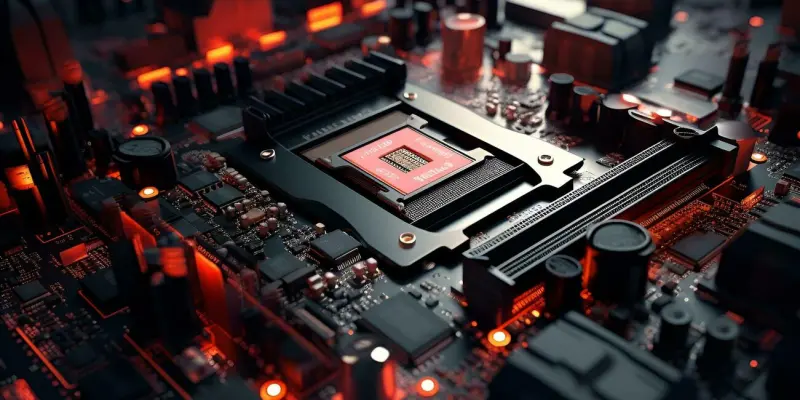
AMD’s highly anticipated presentation at Computex this year is set to offer a glimpse into the future of computing technology, with the promise of significant strides in both AI and gaming sectors. This unveiling stands to capture the attention of tech enthusiasts globally, eager to see how AMD plans to push the boundaries of what’s possible. The centerpiece of this year’s presentation is the Radeon RX 9060 series, which serves as an extension of AMD’s RDNA 4 portfolio and aims to reach more mainstream users with advanced graphics capabilities. Other notable areas include advancements in AI PC technologies and updates on the EPYC and Instinct lines for enterprise solutions. This showcase reflects AMD’s broader aim of integrating artificial intelligence into powerful computing solutions, positioning itself strategically in a competitive market landscape.
Transforming the Gaming Landscape
In recent years, gaming technology demands have accelerated, compelling companies like AMD to innovate rapidly to cater to both hardcore gamers and casual players alike. The introduction of the Radeon RX 9060 series exemplifies AMD’s response to these demands, expanding access to high-performance graphics with improved power efficiency and enhanced capabilities for immersive gaming experiences. This series promises advancements in ray tracing and AI-powered enhancements, which refine visual fidelity and enable new levels of realism in gaming environments. AMD’s ongoing collaboration with game developers ensures that these improvements are not just theoretical but translate into tangible gaming experiences that set new industry standards. By focusing on delivering cutting-edge tech that benefits both developers and players, AMD solidifies its role as a vital pioneer in the gaming sector.
Expanding AI and Enterprise Innovations
AMD is steadfast in its dedication to advancing AI technologies, as demonstrated by integrating AI-driven features into its consumer and enterprise products. This year’s presentation at Computex is anticipated to highlight AI-powered PCs, which utilize cutting-edge technologies to deliver smarter, faster, and more efficient computing for everyday use. Updates expected in the EPYC and Instinct lines underscore AMD’s strategic focus on enhancing data center solutions with AI, thus optimizing performance for complex workloads and bolstering enterprise capabilities. By combining high-performance computing with AI innovations, AMD is addressing not only today’s enterprise demands but also setting the stage for future technological progress. This strategic vision helps ensure AMD’s standing as a leader in tech innovation, skillfully navigating the junction of AI and computing to deliver adaptable and progressive solutions. The initiatives AMD reveals at Computex could significantly shape the future of AI and gaming, ensuring their competitive position in this fast-changing tech landscape.