

The modern literary landscape has undergone a profound metamorphosis, moving from the solitary struggle of the typewriter to a sophisticated era where digital intelligence serves as a primary creative collaborator for authors worldwide. This shift has not merely introduced new tools but has fundamentally altered the chemistry of storytelling, allowing creators to explore expansive universes that were previously too labor-intensive to manage alone. As we navigate the current year, the distinction between manual drafting and assisted creation has blurred, giving rise to a hybrid methodology that prioritizes high-level narrative strategy over the mechanical grind of word counts. Understanding this evolution is essential for anyone looking to remain relevant in a market where the speed of production must now match the depth of human imagination.
The objective of this exploration is to address the most pressing questions surrounding the current state of automated narrative systems and their practical application in professional writing. By examining the leading platforms and the technological breakthroughs that define them, this guide provides a roadmap for navigating the complexities of modern authorship. Readers can expect to learn about the integration of massive memory windows, the ethics of digital collaboration, and the specific functionalities that allow current software to mimic a writer’s unique voice without sacrificing originality.
Key Questions Addressing the Future of Narrative Craft
How Do Modern Generators Maintain Consistency Across Long Novels?
One of the most significant hurdles in early automated writing was the “forgetting” problem, where a system would lose track of character traits or plot points introduced in previous chapters. In the current environment, this issue has been resolved through the implementation of massive context windows and integrated world-building encyclopedias known as “codexes” or “story bibles.” These features allow the software to retain a persistent memory of every detail, from a protagonist’s eye color to the specific political tensions of a fictional kingdom, ensuring that the narrative remains airtight over hundreds of pages.
Moreover, platforms like NovelCrafter have revolutionized this process by becoming model-agnostic, allowing writers to plug in various specialized engines to handle different tasks. These systems act as a digital brain that stores the “rules” of a story universe, which the AI references every time a new scene is generated. This technological pillar ensures that the transition between human-written sections and assisted drafts is seamless, as the machine understands the established facts of the world just as well as the author does.
Can AI Effectively Mimic an Author’s Unique Prose Style?
The fear that automated tools would produce generic, clinical prose has been largely dispelled by the advancement of stylistic mimicry and emotional intelligence in software. Modern engines are now capable of analyzing a writer’s existing body of work to identify idiosyncratic speech patterns, preferred metaphors, and specific rhythmic choices. By feeding a few chapters of their own writing into a system like Sudowrite or Jasper, an author can train the tool to generate “beats” that align perfectly with their established voice.
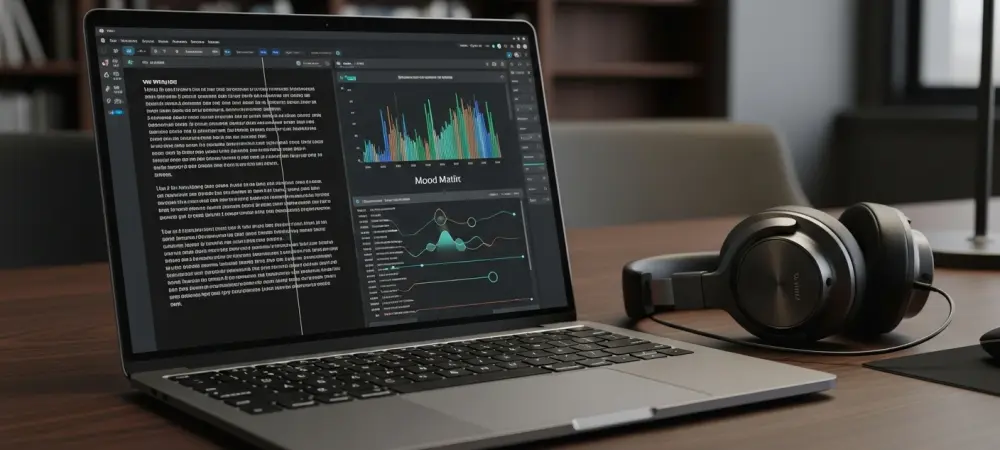
Furthermore, the introduction of “mood matrices” in specialized tools like HoloWriter has added a layer of emotional resonance that was previously missing. Instead of just generating descriptions, these systems suggest prose that intensifies the specific atmosphere of a scene, whether it requires heightened suspense or a deepening of romantic tension. This ensures that the output is not just grammatically correct but also tonally consistent with the author’s intent, acting more like a highly skilled developmental editor than a simple text generator.
What Role Does AI Play in Multimedia Storytelling and Audio Production?
Storytelling in the current market is no longer confined to the printed page, as readers increasingly demand immersive, multi-sensory experiences. Modern writing platforms have adapted by integrating visual storyboarding and instant audio conversion directly into the drafting interface. For instance, tools like Squibler provide visual timelines that help writers see their narrative arcs, while other services allow for the immediate generation of high-quality audiobooks using expressive, nuanced digital voices that rival human narrators.
This convergence of text, image, and sound has democratized the production of complex media projects for independent creators. An author can now draft a manuscript, generate a visual companion guide, and produce a professional-grade audiobook simultaneously within a single ecosystem. This efficiency has opened up the podcasting and social media markets to writers who previously lacked the budget for voice talent or graphic design, making the “author” a multi-platform content producer.
Are There Ethical Concerns Regarding Copyright and Creative Ownership?
The debate over the “sanctity” of the human-only draft has evolved into a practical consensus that views these tools as an extension of the word processor. Legal frameworks now generally recognize that work involving significant human intervention and editorial judgment is copyrightable, even if assisted by digital engines. Most professional platforms have structured their terms of service to grant full ownership to the user, ensuring that the human visionary remains the legal and moral architect of the story.
However, the industry has also adopted a “garbage in, garbage out” philosophy to maintain quality and authenticity. The most successful authors use these systems for brainstorming and drafting “beats,” but they perform heavy manual editing to ensure the emotional core remains authentically human. This hybrid approach addresses the ethical concern of “cheating” by refocusing the author’s value on their unique perspective and final editorial decisions rather than the mere act of putting words on a screen.
Summary of the Evolving Writing Environment
The synthesis of these technological advancements revealed a landscape where the “blank page” has become a relic of the past. Narrative consistency was prioritized through the use of digital bibles, while stylistic sovereignty was maintained by engines capable of mimicking individual authorial voices. The literary market moved toward a model where the speed of production was significantly accelerated, yet the necessity for human oversight remained the defining factor in quality. Multimedia integration also became a standard, allowing stories to exist as audio and visual experiences almost immediately upon the completion of a manuscript.
For those looking to deepen their understanding of these workflows, exploring model-agnostic platforms and privacy-focused engines like NovelAI provides a strong starting point. Industry journals and community forums dedicated to “cyborg writing” offer ongoing insights into the latest prompt engineering techniques and legal updates. Staying informed about the intersection of emotional AI and narrative structure will be crucial for any writer aiming to leverage these tools to their fullest potential.
Final Reflections on the Future of Authorship
The integration of artificial intelligence into the creative process did not replace the storyteller but instead amplified the human capacity for imagination. It became clear that while a machine could generate a thousand words in seconds, it could not determine which of those words would truly move a reader’s heart without human guidance. The most successful writers were those who embraced these tools as a means to bypass the mundane aspects of drafting, allowing them to focus entirely on the thematic depth and structural brilliance of their work.
As authors continue to navigate this high-tech environment, the focus should remain on developing a unique creative vision that no algorithm can replicate. Using these generators to handle the heavy lifting of world-building and scene-setting provides the mental space needed to explore more complex emotional territories. The relationship between man and machine in literature was redefined as a partnership of efficiency and artistry, ensuring that the future of storytelling is limited only by the boundaries of human ambition.