

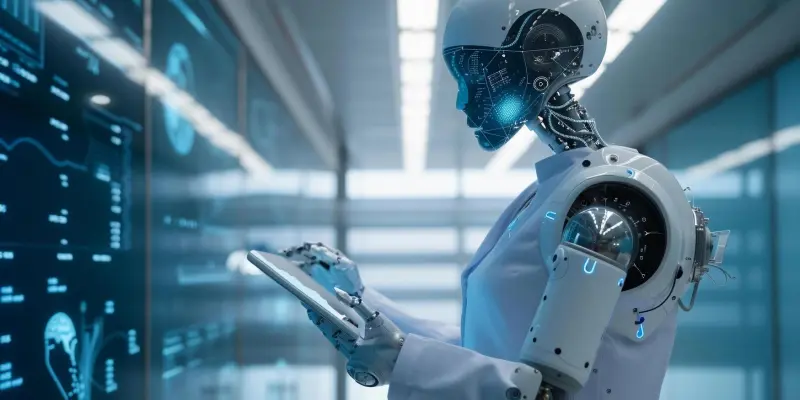
The Consumer Electronics Show (CES) 2025 has once again spotlighted cutting-edge artificial intelligence (AI) technologies that promise to revolutionize various aspects of daily life. With an impressive array of AI-powered devices presented at the event, it is clear that the future is being shaped by intelligent systems poised to enhance personal well-being, improve efficiency in ordinary tasks, and offer advanced security solutions. The standout products showcased demonstrate how AI is being seamlessly integrated into everyday activities, providing smarter, more personalized experiences that cater to individual needs and preferences.
Advancements in Personal Health and Fitness
Among the remarkable AI innovations at CES 2025, the AI-Powered Personal Fitness Assistant has generated considerable buzz. This sophisticated gadget employs machine learning algorithms to tailor exercise routines based on an individual’s unique progress and fitness goals. It continually adapts the workouts to ensure maximum efficiency, resulting in a 35% increase in workout efficacy. By offering real-time feedback and motivation, this device aims to make it easier for users to achieve and maintain their fitness objectives. This technology is set to become a staple in many households, making personal training more accessible and affordable.
Another groundbreaking health-focused AI product introduced at CES is the Smart Vision Glasses for the Visually Impaired. These glasses leverage advanced AI to convert written text into speech, detect obstacles in the environment, and even facilitate facial recognition. Such innovative technology empowers visually impaired individuals to navigate the world more independently and with greater confidence. The market potential for this product is significant, with projections indicating a possible market size of $6 billion by 2030. By fundamentally changing how visually impaired individuals interact with their surroundings, these glasses represent a monumental step forward in assistive technology.
Transformations in Home Living
The Autonomous Kitchen Robot was another showstopper at CES 2025, capturing the attention of cooking enthusiasts and busy professionals alike. This intelligent kitchen companion is designed to learn users’ culinary preferences and replicate intricate dishes with precision. Utilizing advanced AI, it can follow recipes, adjust cooking times and temperatures, and even offer suggestions based on past cooking habits. The aim is to simplify meal preparation and elevate home-cooked meals to a gourmet standard. As a result, users can enjoy high-quality meals with minimal effort, transforming the home cooking experience.
In addition to making cooking easier, the AI Cybersecurity System showcased at CES promises to address critical security concerns. This AI-driven system is capable of detecting cyber threats 15% faster than traditional methods, offering a robust shield against potential data breaches and cyberattacks. As cybercrime continues to pose a significant financial threat globally, such advanced systems are crucial in protecting sensitive personal and corporate information. The CES 2025 exhibition of this technology underscores its importance in safeguarding digital assets and maintaining trust in increasingly digital lifestyles.
Enhancing Education and Learning
Education is another sector that stands to benefit greatly from AI advancements presented at CES 2025. The Adaptive AI Education Bot is a prime example of how technology can revolutionize learning experiences. This intelligent bot personalizes teaching methods to suit individual learning styles and paces, significantly enhancing knowledge retention rates by 25%. By offering tailored educational support, the bot is set to become an invaluable tool in classrooms and homes alike, making learning more engaging and effective for students of all ages. It represents a significant shift towards more individualized and interactive educational experiences.
Moreover, the applications of AI in education extend beyond personalized instruction. Developments in AI-driven tools are also enhancing the administrative aspects of educational institutions, from automating routine tasks to providing data-driven insights into student performance and needs. This holistic approach to integrating AI in education ensures that the benefits are not just limited to students but also extend to educators and administrators. With these innovations, the future of education appears to be one where AI not only aids in teaching but also helps streamline operations and foster more supportive learning environments.
Conclusion
The CES 2025 event has once again shone a spotlight on groundbreaking artificial intelligence (AI) technologies that hold the potential to transform multiple facets of our day-to-day lives. This year’s lineup was particularly impressive, featuring a wide range of AI-powered devices that serve various functions. These innovations underline the fact that intelligent systems will play a significant role in shaping our future. They aim to enhance personal well-being, streamline everyday tasks, and introduce advanced security measures.
The key products highlighted at CES 2025 showcase how seamlessly AI can be incorporated into our routines, offering smarter and more personalized experiences. These innovations are designed to cater to the unique needs and preferences of individuals, thereby making daily activities more efficient and enjoyable. From AI-powered home assistants to intelligent health monitoring systems, the technology on display demonstrates a commitment to bringing practical benefits to consumers. Indeed, CES 2025 has made it evident that the integration of AI into daily life is not just a possibility but an inevitable advancement.