

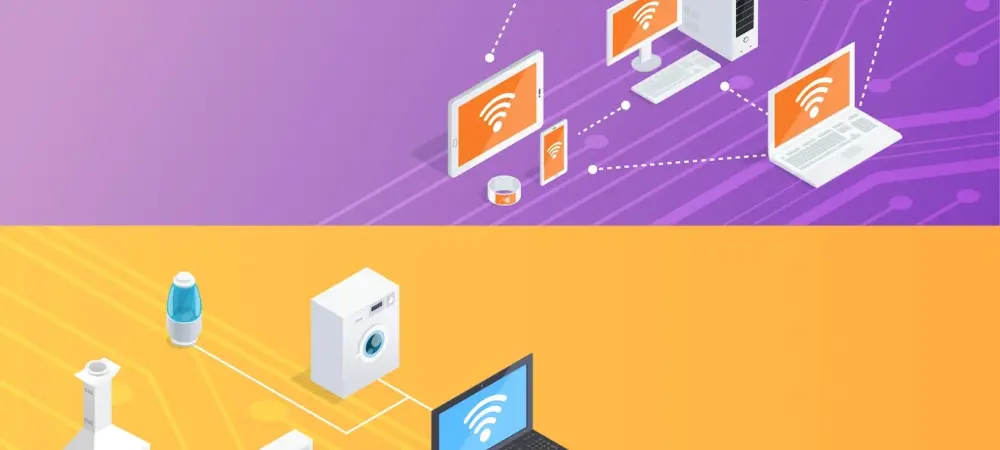
In the ever-evolving landscape of technology integration, edge computing represents a significant advancement. This integration, when paired with artificial intelligence, offers potentials that industries such as the Internet of Things (IoT) and data processing hadn’t experienced before. The convergence of AI at the edge facilitates the decentralization of computing power, enabling real-time data analysis closer to the source and ushering in a new era of technological transformation. As industries explore these advancements, the goal is to assess the existing capabilities and anticipate future developments that AI-driven edge computing promises.
Exploring AI-Driven Edge Computing
AI-driven edge computing is a conceptual and practical innovation addressing the need for localized processing. By distributing processing tasks to the edge of networks, it minimizes reliance on centralized data centers. This decentralization ensures that data is processed closer to where it is generated, allowing for quicker decision-making and enhancing operational efficiency. AI significantly influences this capability, as its algorithms parse data in real-time and provide actionable insights swiftly. The relevance of this computing model is evident across various industries. The marriage of edge computing with AI not only reduces latency but also optimizes data flow, offering robust solutions to businesses operating in sectors ranging from healthcare to manufacturing. As technology continues to advance, the focus on AI-driven solutions to support operational decisions becomes critical, signaling a shift in the broader industry landscape.
Features and Components of AI-Driven Edge Computing
Intelligent Data Processing
At the heart of AI-driven edge computing lies intelligent data processing. This involves the deployment of AI algorithms that analyze information as it is gathered at the edge, circumventing the delays associated with sending data to centralized locations for analysis. This processing enhances the speed of decision-making, making it indispensable for applications that demand immediacy, such as autonomous vehicles and smart city infrastructures. These systems use advanced AI methods to not only analyze data efficiently but also to adapt to variations in input, refine operations, and produce insights almost instantaneously. This capability transforms data into valuable resources for informed decision-making, driving value across industries that depend on real-time information.
Network Optimization and Latency Reduction
An outstanding feature of AI-driven edge computing is its ability to optimize network performance while reducing latency. The employment of localized data processing means that less bandwidth is consumed, reducing congestion on core networks and enabling smoother data transmission between edge devices and central nodes. This optimization is key to enhancing user experiences, particularly in scenarios where high-performance computing and low-latency responses are critical. The technical benefits extend to enhanced reliability and security, as data processed near its source encounters fewer vulnerabilities. Additionally, the improvement in efficiency allows businesses to allocate resources more effectively, ultimately leading to operational cost savings and quicker response times in crucial situations.
Latest Developments and Innovations
Recent years have seen incredible strides in AI-driven edge computing, with new technologies and industry trends continually pushing boundaries. Innovations such as enhanced AI models and improved chip technology are now integral, ensuring that computing at the edge is not only faster but more energy-efficient. Industry leaders are investing in AI integrations that stand to redefine the capabilities of edge devices, opening up potential new applications and solutions. Today, the roadmap for further innovation is extensive, emphasizing the necessity to integrate AI with existing edge infrastructures. Startling advancements are continuously being made, with an emphasis on boosting performance, security, and interoperability, as businesses prepare for the challenges and opportunities that this evolving technology will bring.
Real-World Applications
The practical application of AI-driven edge computing spans a multitude of use cases. In smart cities, this technology serves as essential infrastructure, monitoring traffic, managing utilities, and enhancing public safety. Autonomous vehicles, another notable application, rely heavily on this computational model to process vast amounts of data crucial for navigation and logistics without delay. Automation in industrial sectors exemplifies the meaningful impact of edge computing by utilizing AI to optimize workflows, reduce waste, and improve operational safety. These applications demonstrate not only the versatility of AI-driven edge computing but also its critical role in advancing modern technological implementations.
Addressing Challenges and Limitations
Even with its promising capabilities, AI-driven edge computing is not without challenges. Data privacy and security pose significant concerns, as the decentralized nature of edge computing can expose vulnerabilities. Moreover, infrastructure limitations in certain regions can hinder the broad adoption of this technology, particularly where connectivity and power supply remain concerns.
To combat these challenges, concerted efforts within the industry focus on developing sophisticated security frameworks and enhancing infrastructure. Continued innovation and collaboration are crucial to overcoming such hurdles and ensuring the widespread and effective adoption of AI-driven edge solutions.
Future Considerations
Looking toward the future of AI-driven edge computing, advancements on the horizon promise to reshape the landscape. The potential breakthroughs encompass enhanced processing capabilities, reduced energy consumption, and improved integration capabilities. The long-term implications for industry and society are profound, with expectations for a future where edge computing becomes an integral component of modern business strategy.
The industry’s trajectory suggests an exciting era of technological growth, with AI-driven edge computing set to influence technological trends and redefine operational paradigms across sectors. As these advancements occur, broadening the scope of use and integration will continue to be a key focus area.
Key Takeaways
The review of AI-driven edge computing highlighted the significant impact it has had on decentralizing processing and enhancing industry operations. Today, it remains a transformative force, promising greater efficiency, higher performance, and refined operations across different sectors. As industries continue to adopt and adapt, the pivotal role of this technology in modern innovation and strategic development is evident. Looking ahead, the focus on overcoming existing limitations and leveraging potential advancements will define the success of AI-driven solutions in years to come.