
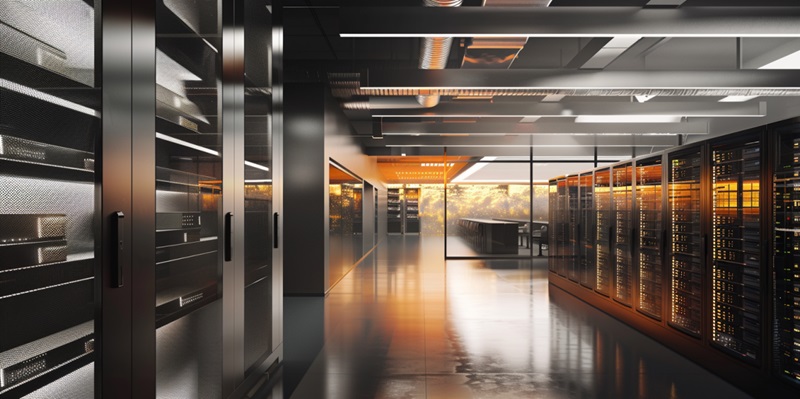
How Will AEP’s 10-Year Deal Policy Impact Data Centers?

American Electric Power’s (AEP) recent proposal to Ohio regulators is shaping up as a significant pivot point for data centers and the broader energy grid in the state. AEP, facing a potentially game-changing increase in electricity demand propelled by burgeoning data center activity, has moved to introduce a 10-year agreement policy. This policy would bind data centers to pay for at least 90% of their projected power usage over a decade, regardless of the actual electricity consumed. It’s a bold strategy designed not only to stabilize revenue streams for AEP but also to justify the massive infrastructure investments required to beef up the grid for future needs.

This change comes at a pivotal moment when data centers are emerging as voracious power consumers. With Ohio poised to see demand more than double by 2030 due to these facilities, AEP faces a substantial challenge in managing this surge. The new policy is essentially a way to guarantee financial viability and customer commitment, which is critical to underwriting the costly upgrades and expansions necessary to handle this increased load.

Navigating the Energy Landscape Shift

American Electric Power (AEP) in Ohio has taken a decisive step to address the surge in power demands due to the growth of data centers. They’ve proposed a 10-year plan that ensures data centers commit to paying for a minimum of 90% of their anticipated electricity use, regardless of actual consumption. This strategy would provide AEP with a stable revenue, enabling them to invest in the extensive grid upgrades required to support future energy needs. Ohio expects the power demand from data centers to more than double by 2030, making AEP’s proposal essential for maintaining the reliability of the electricity supply system. By securing a long-term payment guarantee from data centers, AEP can justify the significant infrastructure outlay needed to meet the booming demand, ensuring the state’s energy grid evolves in tandem with its digital infrastructure.

Explore more

Jenacie AI Debuts Automated Trading With 80% Returns

We’re joined by Nikolai Braiden, a distinguished FinTech expert and an early advocate for blockchain technology. With a deep understanding of how technology is reshaping digital finance, he provides invaluable insight into the innovations driving the industry forward. Today, our conversation will explore the profound shift from manual labor to full automation in financial trading. We’ll delve into the mechanics

Chronic Care Management Retains Your Best Talent

With decades of experience helping organizations navigate change through technology, HRTech expert Ling-yi Tsai offers a crucial perspective on one of today’s most pressing workplace challenges: the hidden costs of chronic illness. As companies grapple with retention and productivity, Tsai’s insights reveal how integrated health benefits are no longer a perk, but a strategic imperative. In our conversation, we explore

DianaHR Launches Autonomous AI for Employee Onboarding

With decades of experience helping organizations navigate change through technology, HRTech expert Ling-Yi Tsai is at the forefront of the AI revolution in human resources. Today, she joins us to discuss a groundbreaking development from DianaHR: a production-grade AI agent that automates the entire employee onboarding process. We’ll explore how this agent “thinks,” the synergy between AI and human specialists,

Is Your Agency Ready for AI and Global SEO?

Today we’re speaking with Aisha Amaira, a leading MarTech expert who specializes in the intricate dance between technology, marketing, and global strategy. With a deep background in CRM technology and customer data platforms, she has a unique vantage point on how innovation shapes customer insights. We’ll be exploring a significant recent acquisition in the SEO world, dissecting what it means

Trend Analysis: BNPL for Essential Spending

The persistent mismatch between rigid bill due dates and the often-variable cadence of personal income has long been a source of financial stress for households, creating a gap that innovative financial tools are now rushing to fill. Among the most prominent of these is Buy Now, Pay Later (BNPL), a payment model once synonymous with discretionary purchases like electronics and