

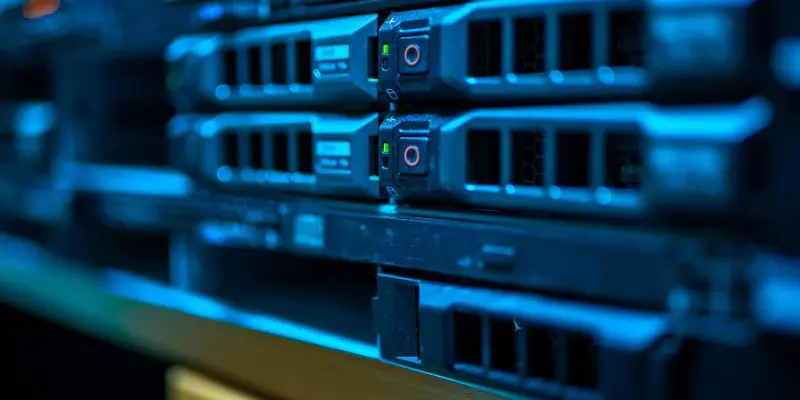
The digital revolution continues to advance, making efficient data processing and storage indispensable for sustaining societal needs. Data centers stand as pivotal hubs for managing vast volumes of information necessary in today’s hyper-connected world. As they grow in capacity and complexity, integrating advanced cooling technologies becomes vital to ensure operational efficiency and the prevention of downtime. Without proper cooling, these infrastructures run the risk of overheating, which can lead to catastrophic failures. This article explores how cutting-edge cooling systems are set to redefine data center operations, highlighting their critical role in supporting growth and performance.
Innovative Cooling Technologies
Eliminating Excess Heat with Cold Plates
Cold Plates are emerging as a leading solution in the efficient management of heat produced by densely packed data center equipment. They work by transferring heat away from chips utilizing liquid cooling methods. The process involves water circulating through metal plates attached to the chips, removing heat and preventing overheating. This method is particularly effective as it allows direct cooling of individual components, significantly increasing the cooling system’s responsiveness and precision. Such an approach not only mitigates the risk of thermal stress but also enhances the overall reliability of data center operations. With data centers constantly striving for efficiency, the role of Cold Plates becomes indispensable in maintaining optimal performance levels and ensuring smooth operation amidst rising data management demands.
Complementing Systems with Coolant Distribution Units
Coolant Distribution Units (CDUs) further supplement the cooling process by optimizing the post-heat exchange liquid. Once Cold Plates have transferred the heat from chips into the circulating fluid, CDUs prepare this fluid for its return journey to the Chillers, where it is cooled in readiness for reuse in the cooling cycle. Featuring advanced technology and compact designs, CDUs are ideal for integration into existing cooling infrastructures without the need for extensive retrofits. Moreover, they incorporate features such as virtual backup sensors that provide early detection of potential failures, minimizing disruption risks. Overall, CDUs are a vital component in maintaining a consistent and efficient cooling tower cycle, ensuring that every facet of the system functions harmoniously.
Room Temperature Management
Enhancing Cooling Efficiency with Computer Room Air Handlers
Computer Room Air Handlers (CRAHs) play a significant role in managing ambient temperatures within data centers. CRAHs operate by leveraging high-performance fans to regulate airflows, ensuring that servers are housed in optimally cooled environments. The continuous air circulation prevents the buildup of heat, which could potentially disrupt server functionality. CRAHs, akin to typical HVAC systems used in residential buildings, deliver focused cooling where it is most needed, thus maintaining reliability. Implementations of CRAH systems often include hardware enhancements such as superior fan mechanisms and upgraded coils for heightened cooling effectiveness. Taken together, they represent an integral component of tailored cooling solutions, essential in addressing the unique architectural and operational needs of diverse data center setups.
Chillers as a Backbone of Cooling Strategies
Chillers remain indispensable in delivering consistent cooling across data centers, ensuring smooth operations. These units use advanced technology to cool the liquid involved in Cold Plates and CDUs, employing oil-free mechanisms for heightened performance efficiency. By leveraging inverter systems, Chillers maintain a balance between rapid cooling and energy consumption, ensuring slower yet steady processes. This capacity for sustained operation minimizes wear and tear, offering long-term reliability at a reduced energy cost. As data centers evolve to accommodate increasing computational power, Chillers will continue to play a pivotal role, serving as a robust backbone for effective cooling strategies essential for minimizing operational risks.
Integration of Customized Solutions
Tailoring Cooling Systems to Design Specifications
The modern landscape of data centers demands bespoke solutions tailored to distinct architectural specifications and operational requirements. Companies such as LG Electronics U.S.A. provide significantly enhanced Cold Plates designed for compatibility with specific chip dimensions, ensuring optimal performance. Additionally, these solutions introduce advanced leak protection and integrate machine learning software to predict operational anomalies. Similarly, CDUs are engineered into compact formats suitable for seamless integration, while CRAHs offer ease of installation coupled with improved fan and coil technologies. These advances all converge to address specific needs, ensuring that cooling systems deliver peak performance while adapting to new challenges presented by the rise in data center capacity.
Leveraging End-to-End Cooling Systems for Operational Flexibility
The complexities inherent in data center designs call for holistic approaches that encompass entire cooling systems rather than isolated components. Sourcing such comprehensive solutions from providers capable of delivering end-to-end methodologies simplifies vendor engagement while fostering improved customization. The integration of these systems allows data centers to effectively resolve unique operational challenges, adapting rapidly to technological shifts without compromising functionality. The focus on all-encompassing cooling solutions demonstrates how thought-forward approaches can reclaim seamless operations within an exponentially growing market space. Collaborations with leading providers emerge as an indispensable asset, driving innovation and fueling growth within the domain.
The Future of Cooling in Data Centers
Solutions Meeting Demand and Efficiency Challenges
Today’s data center landscape is characterized by increasing capacity requirements driven by advancements in artificial intelligence and cloud computing. As such, cooling systems must be robust enough to handle the heightened demands while remaining energy-efficient and reliable. By actively integrating advanced cooling technologies such as Cold Plates, CDUs, CRAHs, and Chillers, data centers are well-equipped to meet these dual challenges. The tailored systems not only bolster operational efficiency but also align seamlessly with future expansions, cementing their vital role in sustaining rapid market growth without jeopardizing performance. As technological developments continue to unfold, these cooling advances remain pivotal, laying a strong foundation upon which data centers can continue thriving.
Actions for Consideration
As the digital revolution progresses, efficient data processing and storage are crucial for meeting the demands of society. Data centers have become essential as they handle immense amounts of information in our highly interconnected world. With the expansion of their capacities and the increasing complexity of operations, incorporating advanced cooling technologies is crucial for ensuring operational effectiveness and reducing downtime. Cooling is vital because overheating can result in serious failures within these infrastructures. Without adequate cooling, data centers risk operational disruptions, which could have significant consequences. This article examines how innovative cooling solutions are poised to transform data center operations, emphasizing their essential role in enabling growth and enhancing performance. By implementing state-of-the-art cooling techniques, data centers can maintain optimal function, thus supporting the continuous evolution and efficiency needed in a digitally reliant era.