

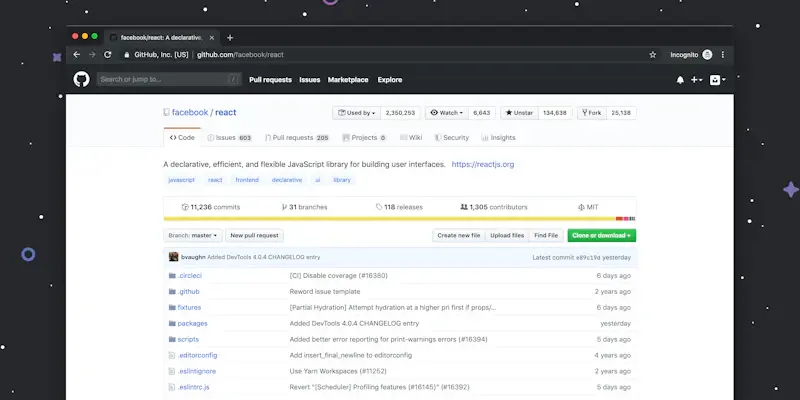
The GitHub Actions utility tj-actions/changed-files, widely used by app developers, experienced a severe security incident on March 14, 2025, when it was infiltrated by hackers. These threat actors inserted a piece of malicious code into the utility, impacting numerous organizations and applications by stealing sensitive credentials. The incident shed light on the vulnerabilities within the CI/CD pipeline, especially affecting those who rely heavily on open source tools and repositories to manage their projects.
The Breach and Its Discovery
Researchers at StepSecurity detected the breach, identifying a malicious Python script embedded in the compromised versions of the utility, specifically up to version 45.0.7. This script had the capability to extract sensitive data such as API keys, access tokens, and passwords directly from CI/CD pipelines, posing a severe risk to affected applications. The compromised versions of tj-actions/changed-files were widely used in various repositories, making the scale of the breach significant and troubling.
In response to the discovery, GitHub swiftly issued an advisory numbered CVE-2025-30066 and took immediate action by pulling the compromised utility from access. This prompt response was crucial in mitigating further damage and initiating the remediation process for potentially affected entities. The affected community was urged to update their workflows and follow GitHub’s advisory to safeguard their systems. GitHub’s quick intervention played a vital role in containing the immediate threats posed by this breach.
Extent of the Impact
Endor Labs highlighted the extensive reach of the compromised utility, reporting that it was used in over 23,000 GitHub repositories. This level of infiltration placed thousands of CI pipelines at risk, underlining a substantial hit to the open source community. The ripple effects of the breach could be far-reaching, potentially compromising a multitude of open source projects and their dependencies.
Dimitri Stiliadis, CTO of Endor Labs, voiced concerns about the inconsistency of the damage. He suggested that hackers, by using the stolen credentials, might have infiltrated other open source repositories, thereby amplifying the risk and potential impact. The possibility of malware being inserted into other repositories or cloud-based services like Docker Hub indicated that the scope of the attack could extend beyond immediate observations. This raised alarms regarding the overall security of the open source ecosystem.
Urgent Measures and Mitigation
To address the potential impacts of the breach, infosec leaders were urged to take immediate actions such as auditing their GitHub logs for signs of suspicious IP addresses and rotating any secrets that may have been exposed during the breach. One critical recommendation was to pin all GitHub Actions to specific commit hashes rather than relying on version tags to prevent a similar supply chain attack in the future. This approach would strengthen the security of the CI/CD pipelines by ensuring that only verified and trusted code is executed.
In addition to these steps, leveraging GitHub’s allow-listing features to block unauthorized actions and configuring settings to trust only authenticated and verified actions were recommended. These measures would reduce the likelihood of unauthorized or compromised actions running in the CI/CD pipeline. Developers were advised to reassess their current CI/CD practices, making the necessary adjustments to safeguard against similar threats. Ensuring a robust security framework within the development pipeline was essential to mitigating future risks.
Insights from Industry Experts
Varun Sharma, CEO of StepSecurity, described the severity of the breach and praised his team for their vigilance in detecting the anomaly. Sharma noted unusual outbound network connections from the workflows using the compromised utility, which led them to uncover the threat. His firm then promptly alerted GitHub about their findings. Sharma recommended that both security and development teams review their workflows thoroughly for any usage of the compromised utility to mitigate risks.
One of his critical pieces of advice was to determine whether the compromised versions had been utilized in their CI/CD pipelines and to rotate any exposed credentials promptly. He also suggested either switching to more secure alternatives or upgrading to the patched version provided by GitHub. This incident significantly highlighted the efficiency of attacking software during its development phase, which has become a preferred tactic for threat actors seeking to penetrate multiple IT environments instead of targeting individual applications.
Historical Context of Supply Chain Attacks
On March 14, 2025, the GitHub Actions utility tj-actions/changed-files, popular among app developers, faced a serious security breach when it was hacked. The attackers injected malicious code into the utility, leading to the theft of sensitive credentials from many organizations and applications. This incident highlighted significant vulnerabilities within the CI/CD pipeline, drawing attention to the risks associated with relying on open source tools and repositories for project management. Developers and companies that use such utilities to streamline their workflows found themselves at risk, as the breach underscored the importance of rigorous security measures and continuous monitoring. The event acted as a wake-up call, emphasizing the need for enhanced protective strategies to safeguard against similar threats in the future and promoting a reevaluation of security practices within the software development community.