

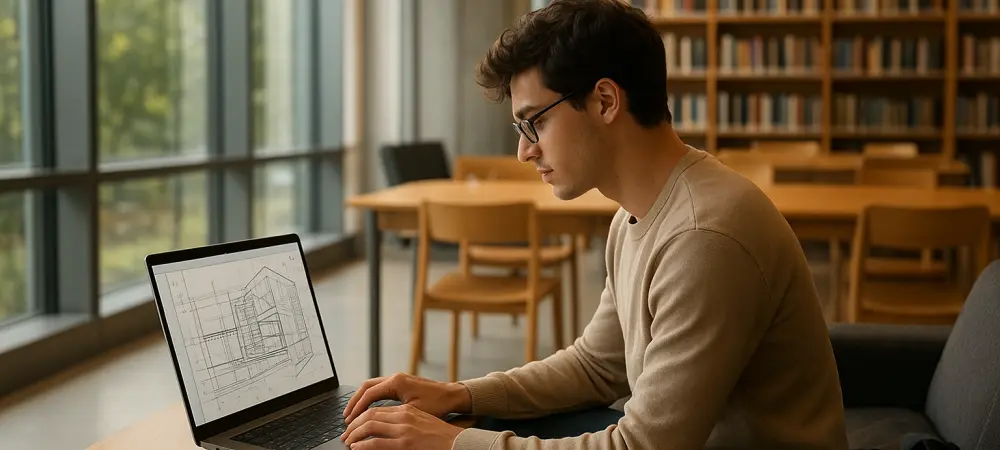
Engineering and architecture students often require specialized GPU nodes that are significantly more expensive to maintain than standard administrative computing environments. In 2026, higher education institutions are navigating a complex fiscal landscape where the demand for high-performance remote access continues to surge while IT budgets remain under heavy scrutiny. For many years, the standard response was to implement massive, centralized server stacks that hosted complete virtual desktop environments for every student. However, the high costs associated with maintaining these data centers—paired with the endless cycle of hardware refreshes—have necessitated a major shift in strategy. Institutions are now moving away from these monolithic, full-desktop virtualization models in favor of more granular and efficient delivery systems that leverage existing local hardware. This evolution ensures that students receive the tools they need for academic success without the university incurring unsustainable debt.
Transforming Physical Assets: The Shift to Sustainable Hardware
One of the most effective strategies involves the intentional extension of hardware lifecycles through the repurposing of older machines. In the past, the traditional three-year replacement cycle for computer labs was seen as an unavoidable expense, but modern IT departments are challenging this norm by converting aging units into thin clients. These legacy devices, which might otherwise be destined for recycling, are now functioning as simple gateways to more powerful backend servers. This approach allows universities to stretch the usable life of physical assets to six years or more, effectively doubling the return on their initial investment. By offloading the primary computational work to a centralized server, the age of the local machine becomes largely irrelevant to the end-user experience. This transition has saved thousands of dollars annually per lab, allowing those funds to be redirected toward more critical academic initiatives and specialized software acquisitions.
Complementing the extension of hardware is a strategic shift from full virtual desktop infrastructure to the more streamlined method of application streaming. Rather than hosting an entire Windows or macOS environment for every user, which places an immense burden on server memory and storage, universities are now delivering only the specific applications required for a task. For instance, a student needing to use Photoshop or AutoCAD can stream just that application window directly to their device. This granular delivery method significantly reduces the data center overhead and eliminates much of the latency that often plagues traditional virtual desktops. Because the application interacts more directly with the local system resources, the performance feels native and responsive. IT teams also benefit from reduced administrative pressure, as they no longer need to manage and patch hundreds of large operating system images, focusing instead on optimizing individual software packages.
Precision Resource Management: Tiered Access and Power Efficiency
To further refine efficiency, many institutions have adopted tiered access models that align computing resources with the specific academic requirements of various student populations. Not every user on campus requires the same level of processing power, yet old virtualization models often treated every student seat as an identical resource. By implementing data-driven resource allocation, universities can now distinguish between a history student writing a thesis and an engineering major running a fluid dynamics simulation. Using sophisticated management software, IT departments assign students to different resource “buckets” based on their major or current course load. This prevents the over-provisioning of expensive GPU nodes for simple office tasks and ensures that high-performance hardware is available for those who truly need it. Such precision in resource management has led to a dramatic decrease in wasted server capacity and has optimized the overall throughput of campus computing environments.
Operational optimization is also being achieved through the implementation of smart scheduling and automated power management policies. Universities are increasingly moving away from the practice of keeping every server running at full capacity twenty-four hours a day. Instead, they use dynamic scaling to power down specific server clusters during low-usage windows, such as the early morning hours or during academic breaks. This reduction in energy consumption not only lowers utility costs but also extends the physical life of the server components by reducing wear and tear. Furthermore, the use of strict idle timers ensures that “ghost sessions”—where a user has logged in but is no longer active—do not continue to consume expensive cloud credits or server memory. By automatically logging off inactive users after a set period, the system frees up capacity for other students, ensuring that the infrastructure is always working at peak efficiency for active learners.
Student-Centric Technology: Embracing BYOD and Dynamic Licensing
The widespread adoption of the Bring Your Own Device model has fundamentally changed the relationship between students and campus computer labs. In 2026, most personal laptops owned by students possess enough local processing power to handle significant workloads, a resource that previously went untapped by institutional IT systems. By streaming professional-grade software directly to these personal devices, universities are offloading the heavy computational lifting from the centralized data center to the student’s hardware. This shift has allowed many schools to reduce the physical footprint of their computer labs, converting those areas into collaborative study spaces or modern learning commons. Students gain the flexibility to work on complex projects from any location, whether in their dorm rooms or off-campus housing, without needing to visit a physical facility. This accessibility has democratized high-end computing and reduced the pressure on university facility maintenance and helpdesk support.
The successful integration of these diverse methodologies provided a robust framework for financial stability within university technology departments. By prioritizing concurrent licensing and data-driven software procurement, institutions significantly reduced the prevalence of “shelfware” and avoided unnecessary annual expenditures. These strategies ensured that every dollar spent on virtualization was directly tied to measurable student engagement and academic outcomes. The move away from monolithic server architectures allowed campus leaders to redirect their limited funds toward innovative research and enhanced student support services. Ultimately, the shift toward leaner, more flexible delivery models demonstrated that high-quality technical access was achievable without incurring massive debt. These actions established a new standard for operational excellence, proving that institutions could adapt to fiscal pressures while still providing the high-end computing power necessary for modern academic success in a digital-first environment.