

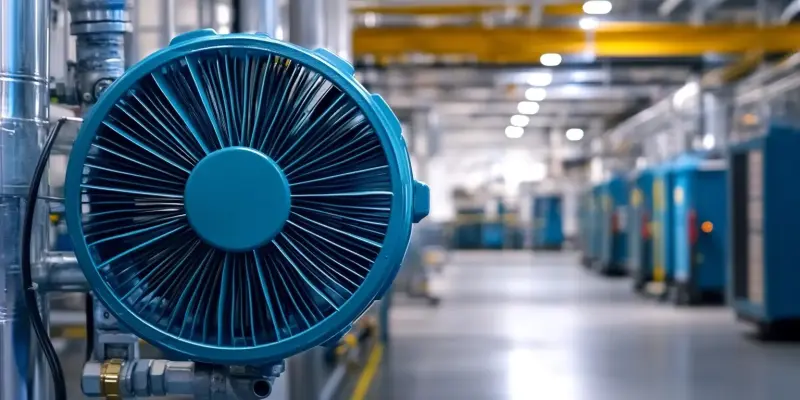
As the landscape of data centers rapidly transforms, driven by artificial intelligence (AI), higher thermal densities, and stricter sustainability mandates, traditional air-cooling systems are proving insufficient. The evolving requirements of modern data centers necessitate innovative solutions to meet these demands. Chilled water technology, an adaptable and efficient cooling method, is becoming critically important in addressing current and future infrastructure needs. By harnessing the potential of chilled water systems, companies like Vertiv are ensuring that data centers can cope with the extraordinary challenges they face today while remaining prepared for the developments of tomorrow.
The Transformation of Data Centers into Hybrid Facilities
Data centers are increasingly becoming hybrid facilities, combining conventional IT infrastructure with next-generation AI and high-performance computing systems. This hybridization increases flexibility and scalability, but it also introduces new operational complexities and demands. The integration of these advanced systems results in varying workloads that cause unpredictable fluctuations in energy consumption and heat production, presenting significant challenges to traditional cooling methods that are unable to adapt efficiently to such dynamic conditions.
George Hannah, Senior Director of Global Chilled Water Systems at Vertiv, highlights the critical role of liquid cooling systems paired with chilled water networks in managing these complexities. Chilled water systems offer seamless integration with both air and liquid cooling environments, enabling enhanced reliability and efficiency in cooling strategies. This adaptability is particularly essential given the broad range of density and temperature requirements emerging from modern AI and high-performance computing applications. By providing a versatile cooling solution, chilled water technology ensures that hybrid data centers can operate effectively even as their cooling needs continually evolve.
The Shift Toward Higher Operating Temperatures
Another major trend in the industry is the shift toward higher operating temperatures, driven by the development of powerful graphics processing units (GPUs). As these GPUs and other advanced components generate more heat, future AI deployment and cooling requirements are expected to evolve significantly. This evolution necessitates new generations of adaptive and flexible cooling technologies capable of addressing the increasing thermal loads. Compact products that offer higher cooling capacities and efficiencies become crucial for handling a wider range of operational temperatures and fluctuating loads, helping maintain the integrity and performance of data center equipment.
Accurately predicting future water temperature requirements is vital for maintaining efficient cooling, reducing energy consumption, enabling future expansion, and protecting critical IT equipment. Chilled water systems are integral to managing elevated water temperatures and high densities, positioning them as indispensable for future-ready data centers. These systems provide the necessary scalability and flexibility to accommodate unpredictable changes in thermal demand, ensuring that cooling solutions remain effective and energy-efficient. As operating temperatures rise, chilled water technology offers a robust approach for meeting the advanced cooling needs of modern data centers.
The Importance of Densification
Densification, whereby facilities pack more computing power into less space, creates substantial cooling challenges as it significantly increases heat per square meter. George emphasizes the importance of densification, stating its central role in the future of data centers. AI-driven workloads are shifting cooling requirements, demanding innovative and flexible approaches. Data center owners need more efficient cooling units that occupy minimal space, allowing for scalable cooling capacity in the face of rising density.
One solution mentioned is the Vertiv™ CoolLoop Trim Cooler, which provides a platform that can adapt to a range of water temperatures and significantly increases cooling capacity without expanding the physical footprint. This solution offers up to 70% greater efficiency in higher density environments, demonstrating Vertiv’s commitment to addressing the critical demands of densification. By incorporating compact and efficient cooling systems, data centers can maintain optimal performance while maximizing available space, ultimately enhancing the overall effectiveness of their operations.
Heat Recovery and Sustainability
The advantages of higher temperatures extend to heat recovery and sustainability. As high-performance computing and digitalization increase energy consumption, operators are under pressure to reduce their carbon footprint. Capturing and reusing waste heat for secondary applications, such as district heating, aligns with sustainability and circular economy goals. This approach not only optimizes energy use but also contributes to broader environmental objectives by minimizing the reliance on external energy sources and reducing overall emissions.
New metrics, such as Energy Reuse Effectiveness (ERE) and Heat Recovery Efficiency (HRE), are becoming more relevant as the industry moves beyond traditional metrics like Power Usage Effectiveness (PUE). Chilled water systems facilitate effective heat recovery by capturing thermal energy generated during operation and transferring it for reuse. This practice supports broader sustainability goals and helps data center operators comply with increasingly stringent regulatory standards for environmental impact. By integrating systems that promote heat recovery, data centers can achieve higher levels of energy efficiency and contribute positively to the circular economy.
The Future of Data Center Cooling
As the landscape of data centers rapidly changes, driven by advancements in artificial intelligence (AI), increased thermal densities, and stricter sustainability mandates, traditional air-cooling systems are falling short. The modern demands of data centers require innovative solutions to handle these evolving challenges. One such solution is chilled water technology, which offers an adaptable and efficient cooling method. This technology is becoming increasingly critical for addressing the needs of both current and future data center infrastructures.
Chilled water systems provide a reliable means of managing higher thermal loads and contribute significantly to energy efficiency and sustainability efforts. Companies like Vertiv are leveraging the potential of chilled water systems to ensure data centers are equipped to handle today’s extraordinary challenges and stay prepared for future developments. By embracing chilled water technology, data centers can not only maintain optimal performance but also align with the growing importance of sustainability and energy efficiency in the industry.