

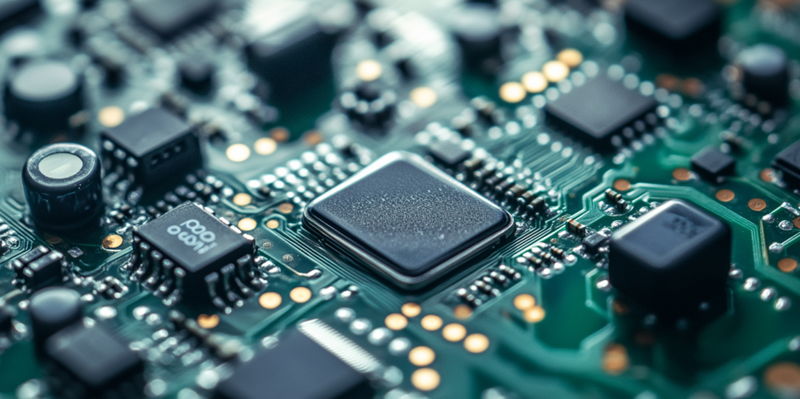
Taiwan Semiconductor Manufacturing Company (TSMC) has significantly influenced the semiconductor industry with its cutting-edge technology and innovative manufacturing processes. Recently, the company has garnered attention for its advancements in 2nm process technology, attracting interest and investment from major tech giants even before the technology’s mass production has begun. TSMC’s strategic focus on developing smaller and more efficient semiconductor nodes has established it as a leader in the industry, consistently driving substantial revenue growth and maintaining a competitive edge over its rivals.
Dominance of Advanced Process Nodes
TSMC has maintained its industry leadership through its relentless pursuit of smaller and more efficient semiconductor nodes. The company’s 5nm node currently dominates its revenue stream, contributing 32% of total revenue in Q3 2024. Close behind is the 3nm node, which accounts for 20%, and the 7nm node at 17%. These smaller nodes bolster TSMC’s technological superiority and showcase its ability to produce high-performance, energy-efficient chips essential for modern computing demands. Financially, TSMC has seen substantial profits, with its Q3 2024 results surpassing previous records by a significant margin. This growth is a direct outcome of the strategic investments and advancements in process nodes that meet global demand for robust semiconductor solutions.
The financial success of TSMC’s smaller nodes is a testament to the company’s ability to anticipate market needs and innovate accordingly. The 5nm and 3nm nodes have not only enabled TSMC to stay ahead of its competitors but also to secure lucrative contracts with major technology firms. These nodes are crucial for applications in areas such as artificial intelligence (AI), mobile computing, and high-performance computing, where efficiency and power are paramount. TSMC’s lead in these advanced process technologies underscores its position as a vital player in the global semiconductor market, setting the stage for future developments in even smaller nodes like the 2nm process.
Surge in Demand for the 2nm Process Node
Even before its official market release, TSMC’s 2nm process node has generated immense interest from leading tech companies like Apple, NVIDIA, and AMD. This preemptive demand highlights the industry’s anticipation of the performance and efficiency gains that the 2nm node promises. It is expected to outperform the 3nm node in shipment volumes once mass production begins in 2025, thanks to its superior computational capabilities. The burgeoning demand for advanced AI technologies contributes significantly to the hype surrounding the 2nm process node. As AI applications require more power and efficiency, TSMC’s 2nm technology is poised to become a crucial enabler for the next generation of AI workloads, solidifying its market position further.
The strong interest in the 2nm process node underscores the industry’s trust in TSMC’s ability to deliver cutting-edge technology that meets the high-performance and efficiency needs of future applications. With AI and machine learning driving demand for ultra-efficient and powerful chips, TSMC’s 2nm node is well-positioned to meet these requirements. The wave of anticipation around the 2nm node is indicative of the broader market expectations and the pivotal role TSMC will play in the semiconductor industry’s evolution. By aligning its technological developments with market trends, TSMC ensures its continued relevance and leadership in the semiconductor landscape.
Competition from Samsung and Other Manufacturers
Despite TSMC’s strong market position, it faces stiff competition from other semiconductor giants, particularly Samsung. Samsung is aggressively advancing its semiconductor technology, with plans to start production of its 2nm process node soon and a move towards a 1.4nm node in the future. Furthermore, Samsung’s development of the A16 process node, scheduled for 2026, represents a potential threat to TSMC’s market dominance. TSMC must remain vigilant and continue to innovate to maintain its lead. The ongoing advancements by rivals like Samsung underscore the dynamic and highly competitive nature of the semiconductor industry, where technological supremacy is continually contested.
Samsung’s ambitious plans highlight the intense competition within the semiconductor sector, emphasizing the need for continuous innovation and strategic investment. TSMC’s ability to stay ahead of competitors like Samsung hinges on its capacity to push the boundaries of semiconductor technology while scaling up its production capabilities. The race to develop smaller and more efficient nodes is not just about technological prowess but also about securing a larger market share and forging strong partnerships with key industry players. As Samsung and other manufacturers strive to catch up, TSMC’s proactive approach to innovation and expansion will be critical in maintaining its leadership position.
Scaling Up Production Capabilities
A pivotal aspect of TSMC’s strategy is its ambitious expansion of production capabilities for the 2nm node. The company plans to build new fabrication units in Baoshan and Kaoshiung, targeting yields of 30,000 and 35,000 wafers, respectively. By 2027, these facilities aim to exceed production of 100,000 wafers, reflecting TSMC’s commitment to meeting the anticipated high market demand. This scaling effort positions TSMC to efficiently respond to the growing needs of the semiconductor market. The aggressive expansion ensures that the company not only keeps pace with demand but also leverages economies of scale to optimize production costs and enhance profitability.
TSMC’s production scale-up is a strategic move to solidify its market position and meet the increasing demands from major tech companies. The expansion of fabrication units is not merely about increasing capacity but also about ensuring that TSMC can deliver advanced semiconductor technologies reliably and at scale. These new facilities will play a crucial role in enabling TSMC to maintain its competitive edge, ensuring that it can fulfill the growing demand for its cutting-edge nodes. The commitment to scaling up production demonstrates TSMC’s readiness to invest in the future and maintain its leadership in the semiconductor industry.
Financial and Market Implications
TSMC’s advancements in semiconductor technology translate directly into impressive financial performance. The company’s gross margin increased to 57.8% in Q3 2024, a 3.5% rise from Q3 2023. Year-over-year revenue growth is substantial, with a 36% increase leading to $23.50 billion in Q3 2024, up from $17.28 billion the previous year. These financial metrics highlight the success of TSMC’s focus on advanced nodes and readiness for future demand. Key industry moves further validate TSMC’s market leadership. Google’s switch to TSMC’s 3nm ‘N3E’ process for its Tensor G5 chips and Xiaomi’s successful tape-out of its first 3nm chipset are testaments to industry confidence in TSMC’s capabilities. Such endorsements from major players signal a consolidated industry preference for TSMC’s technological prowess.
The robust financial performance of TSMC reflects the broader market’s confidence in its technological advancements and strategic direction. The rise in gross margins and substantial revenue growth are clear indicators of the effectiveness of TSMC’s investments in smaller, more efficient nodes. These figures not only demonstrate the company’s current success but also its potential for sustained growth as demand for advanced semiconductor technologies continues to rise. The endorsements from industry giants like Google and Xiaomi further cement TSMC’s reputation as a leader in semiconductor manufacturing, highlighting its role in driving the industry forward.
Future Industry Trends and TSMC’s Role
Taiwan Semiconductor Manufacturing Company (TSMC) has made a substantial impact on the semiconductor industry through its advanced technology and pioneering manufacturing methods. Recently, TSMC has drawn considerable interest due to its progress in developing 2nm process technology, sparking attention and investment from major technology corporations even before the technology has reached mass production. This initiative underlines TSMC’s strategic emphasis on creating smaller and more efficient semiconductor nodes, which has placed it at the forefront of the industry. The company has consistently driven significant revenue growth and maintained a competitive edge over its rivals by staying ahead in technological advancements. TSMC’s relentless pursuit of innovation and efficiency has enabled it to establish robust partnerships and collaborations, fostering an environment of continuous improvement. This focus not only reinforces its leadership position but also sets new industry standards, ensuring that TSMC remains a critical player in the global semiconductor landscape.