

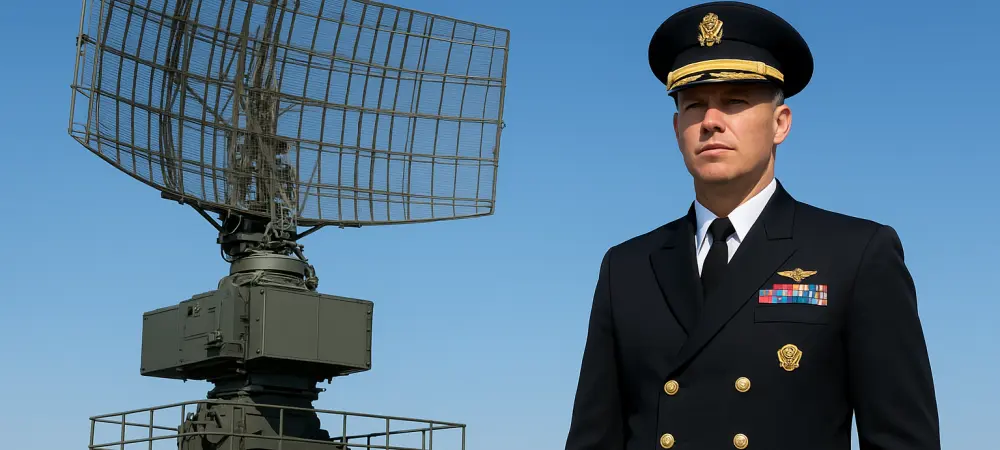
Human critical thinking remains the most vital asset for the Air Force when navigating the unconventional threats posed by modern cyber warfare. This philosophy serves as the primary cornerstone for the Tentara Nasional Indonesia Angkatan Udara (TNI AU) as it undergoes a fundamental transformation in its defensive posture. Moving away from a traditional focus on kinetic airspace sovereignty, the Force is adopting a comprehensive model of multi-domain operations. This strategic pivot is driven by the increasing interconnectedness of modern military hardware and the emergence of digital conflict as a primary theater of engagement. As part of the ongoing Digital Trust & Cybersecurity Champions 2026 initiative, the military is prioritizing the integration of digital resilience into the core of its doctrine. This evolution focuses on harmonizing technological procurement, specialized personnel training, and psychological readiness to counter the sophisticated threats of the 21st century while ensuring national sovereignty. It represents a significant departure from legacy models that treated digital security as a secondary concern.
Strategic Overhaul: Redefining the Modern Battlefield
Evolution of Doctrine: From Network-Centric to Network-Targeted Warfare
Historically, the TNI AU relied on network-centric warfare, a philosophy where fighter jets, radar stations, and command centers were linked via a single network to enhance situational awareness. However, the contemporary landscape has inverted this advantage, making the network itself the primary center of gravity for enemy attacks. The Force now recognizes that navigation systems and command and control nodes are high-value targets that require constant surveillance and adaptive protection layers. This shift necessitates a move away from static security models toward a dynamic strategy where systems are updated constantly to withstand zero-day vulnerabilities. By acknowledging that a connected force is also a vulnerable force, leadership is moving to decouple critical functions so that a single breach cannot paralyze the entire theater or ground the entire fleet. This adaptive mindset allows commanders to maintain operational tempo even when digital communication channels are contested or partially compromised by sophisticated adversaries seeking to disrupt the chain of command.
Digital Sovereignty: Cybersecurity as a Core Defense Component
Cybersecurity is no longer treated as an isolated IT function but as an inherent component of national defense across all military branches. By viewing digital protection as a foundational layer of sovereignty, the Air Force ensures that its communication platforms remain resilient against increasingly complex interference from external state and non-state actors. This holistic mindset allows the military to move beyond basic troubleshooting toward a proactive stance where digital defense is integrated into every flight mission and ground operation. The goal is to create an environment where every airman, from technicians to pilots, understands their role in the digital defensive chain. This cultural shift ensures that security protocols are followed with the same rigor as flight safety checklists. In the current year, the integration of these protocols will be expanded to include all collaborative logistics and supply chain systems to prevent lateral movement by malicious actors within the broader military infrastructure.
Capability Building: Testing Resilience and Building Expertise
Tactical Simulations: Operational Readiness and Stress Testing
A central pillar of the TNI AU’s strategy is the use of high-stakes cyber warfare exercises, such as the Angkasa Yudha 2026 and multilateral engagements like Super Garuda Shield. These simulations employ a rigorous Red Team and Blue Team methodology, where aggressors simulate sophisticated breaches while defenders practice real-time detection and mitigation of threats. Beyond technical proficiency, the primary metric for success in these drills is psychological resilience. This involves evaluating the ability of officers to maintain composure and make critical decisions under the intense pressure of a simulated digital collapse or a loss of GPS guidance. These exercises reveal how human fatigue and stress can become vulnerabilities just as significant as software bugs. By identifying these human-centric gaps, the Air Force can refine its training modules to emphasize mental fortitude. This ensures that even when the digital fog of war descends, tactical leaders can rely on their training to maintain air superiority through manual or analog fallback procedures.
Human Capital: Talent Cultivation and Institutional Knowledge
To sustain these capabilities, the Force has established a robust pipeline for human resource development, centered at the Cyber and IT Education Center (Skadik 506) in Bogor. This facility serves as a hub for developing specialized competencies that are distributed throughout the organization rather than being restricted to small, isolated cyber units. By combining domestic training with international academic pursuits, the Air Force creates a workforce capable of advanced digital forensics and incident response. This focus on institutional knowledge ensures that the military remains adaptable to the rapid pace of technological change seen in modern conflict zones. Furthermore, the curriculum at Skadik 506 is designed to evolve alongside the threat landscape, incorporating lessons learned from regional geopolitical shifts. Officers are encouraged to pursue higher education in computer science and strategic intelligence to bridge the gap between technical execution and military leadership. This investment in human capital creates a sustainable ecosystem of expertise.
Future-Proofing the Defense Infrastructure
Sustainable Integration: Strategic Procurement and System Retrofitting
The TNI AU is transitioning toward a security by design mandate for all future defense acquisitions, ensuring that encryption and network resilience are baked into hardware during the procurement phase. This approach applies to both new fighter jet systems and legacy equipment, as older radar installations are being retrofitted to prevent them from becoming weak points in a modern, connected environment. Because security is viewed as a continuous lifecycle rather than a static destination, these protocols are periodically overhauled to maintain the integrity of the nation’s aerial defense. This strategy involves collaboration with international vendors to ensure that all black-box components are audited for potential backdoors. In the current timeline, the emphasis is placed on establishing a secure cloud infrastructure that allows for real-time data sharing without exposing the underlying network. By hardening the physical and digital infrastructure simultaneously, the Force creates a formidable barrier against sophisticated cyber espionage.
Advanced Strategy: The Role of Artificial Intelligence and Tech Sovereignty
Integration of Artificial Intelligence provided opportunities for early warning systems while presenting risks from automated enemy attacks. To mitigate these threats, the Air Force championed technological sovereignty by involving Indonesia’s domestic defense industry in the development of proprietary data analytics tools. As the military prepared for future frontiers like quantum computing, the ultimate focus remained on human critical thinking. Tactical leaders prioritized the creation of decentralized command structures that could operate independently if central networks failed. They also mandated regular audits of AI algorithms to detect bias or manipulation by foreign adversaries. To ensure long-term readiness, the Force established a permanent task force to monitor emerging cryptographic standards. This proactive stance allowed the military to secure its data against decryption by future quantum processors. By investing in both domestic innovation and human expertise, the TNI AU successfully built a resilient framework that balanced automated defense with decisive judgment.