

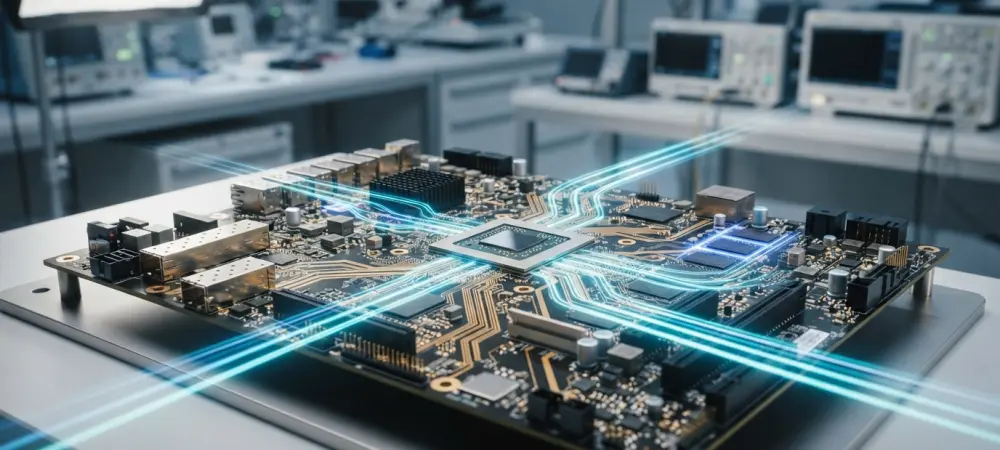
The silent humming of data centers has officially replaced the physical clatter of heavy machinery as Telia transforms its core identity into a software-led powerhouse for the Nordic region. While competitors continue to struggle with the maintenance of physical assets, this operator has redirected its focus toward a digital-first architecture. This transition is evident in recent third-quarter performance metrics, which show a deliberate retreat from legacy infrastructure in favor of a lean, agile business model. The shift represents more than just a technological upgrade; it is a fundamental reconfiguration of how a telecommunications company delivers value in a digital economy.
By trading hardware-heavy maintenance for a software-driven model, Telia is gaining the agility required to respond to market fluctuations. This lean approach allows for cloud-native resilience, ensuring that the network remains operational and secure even under high stress. Moving away from fragmented systems toward a unified digital stack is the cornerstone of this modernization effort. It allows the organization to focus on high-performance platforms rather than patching together aging copper wires and outdated servers.
Transitioning From Traditional Pipes to a Software-Defined Future
The evolution of modern telecommunications requires a departure from the “dumb pipe” model that has defined the industry for decades. Telia has embraced this change by prioritizing a software-defined architecture that allows for greater flexibility and lower operational costs. This transformation involves moving critical network functions to the cloud, where they can be managed with the same precision as a modern software company. Such a move drastically reduces the time required to deploy new services, giving the firm a competitive edge in a fast-moving market.
Furthermore, the focus on digital-first infrastructure simplifies the overall technology stack, making it easier to monitor and secure. By decommissioning legacy systems that no longer serve a purpose, the company creates a streamlined environment that supports innovation rather than hindering it. This technical overhaul is not merely about cost reduction; it is about creating a robust foundation that can handle the massive data demands of the next decade without the brittleness associated with older hardware.
Why the Race for 5G Standalone and Network Efficiency Matters Today
Global demands for economic security and industrial innovation have turned 5G Standalone (SA) technology into a non-negotiable asset. While initial 5G rollouts often relied on existing 4G cores, these non-standalone configurations created bottlenecks that limited the potential of ultra-low latency. The move to a dedicated core network is essential for supporting advanced applications such as autonomous transport and real-time industrial automation. This independence from previous generations of technology allows for a cleaner, more efficient transmission of data.
Reliability and security are the primary drivers behind this push for network efficiency. In a landscape where digital threats are increasingly sophisticated, a standalone architecture provides a robust platform for advanced firewalls and encrypted data flows. This ensures that the essential digital grid remains protected against disruptions while providing the performance levels that modern enterprises require. It represents a shift from simple connectivity to a mission-critical infrastructure that powers the modern economy.
The Two-Pronged Strategy: 5G Standalone Expansion and the Norwegian Alliance
Modernization at Telia rests on two distinct pillars: technical autonomy through 5G SA and operational synergy via strategic partnerships. The 5G Standalone rollout utilizes a dedicated core that removes 4G dependencies, facilitating enhanced security and performance across international markets. This separation allows the operator to offer specialized services, such as network slicing, which were previously impossible under legacy network constraints. By controlling the entire ecosystem from the core to the edge, the company provides a more reliable user experience.
In Norway, a landmark alliance with the operator Ice illustrates a new model for infrastructure management. The two companies established a joint Radio Access Network, sharing physical equipment while maintaining independent core networks to preserve competitive differentiation. This collaboration is projected to generate annual savings of NOK 300 million to 400 million by 2029, showcasing the financial viability of infrastructure sharing. It proves that operators can collaborate on physical assets while remaining fierce rivals at the service level.
Beyond cost reduction, the partnership aims to expand coverage into rural territories and critical transport corridors. By pooling resources for railway and highway connectivity, the alliance ensures that high-speed data is accessible in historically underserved areas. Regulatory discussions are currently steering the project toward an operational start in early 2027, with full traffic migration expected by the end of that same year. The build-out is slated to continue through 2030, ensuring a steady improvement in national connectivity.
Expert Leadership and the Integration of Generative AI
Under the guidance of CEO Patrik Hofbauer, the company is aggressively streamlining its technology stack to enhance delivery precision. The decommissioning of legacy systems has freed up significant resources, allowing the organization to focus on intelligent automation and customer satisfaction. This strategy moves beyond simple cost-cutting, aiming instead for a refined operational flow that benefits both the business and its users. The leadership emphasizes accuracy and speed in an industry often plagued by bureaucratic delays.
A significant component of this efficiency drive involves the implementation of generative AI within customer service departments. Early data indicated that AI integration successfully shortened response times and improved overall satisfaction scores. By automating routine interactions, the company allowed human personnel to focus on complex problem-solving and strategic initiatives. This integration demonstrates how intelligent automation can be used to augment human capability rather than simply replacing it, leading to a more responsive organization.
Building a Modern Telecom Roadmap: Strategies for Structural Resilience
The strategic evolution of the network provided a clear framework for structural resilience in a high-cost environment. Prioritizing core independence through 5G Standalone allowed the organization to unlock enterprise features and superior digital protection that traditional models could not support. Decommissioning outdated technology proved to be a vital step in reducing maintenance costs and allowing technical teams to focus on high-performance platforms. These actions collectively established a new standard for operational excellence in the telecommunications sector. The adoption of hybrid competition models showed that sharing physical infrastructure facilitated broader coverage without compromising service differentiation. Furthermore, the deployment of specialized security tools, such as the Mobile DNS Firewall, addressed the rising demand for built-in network protection across multiple territories. Leveraging generative tools for routine tasks ultimately created a more efficient workforce capable of steering the industry toward long-term profitability. These combined strategies offered a sustainable path forward for operators navigating the complexities of the digital age.