

Strategic Espionage in the Age of Artificial Intelligence
While the global race for artificial intelligence supremacy accelerates, a sophisticated China-aligned threat actor known as TA419 has shifted its focus from blunt intellectual property theft to the surgical subversion of the very experts who draft international technology regulations. This threat group identifies individuals who possess deep insights into upcoming legislative frameworks and uses them as gateways to sensitive national security data. By masquerading as colleagues or respected industry leaders, the attackers establish a foundation of trust that traditional security training often fails to address. The primary concern lies in how these actors leverage high-level impersonation to bypass modern security protocols. Instead of using generic bait, TA419 crafts specific scenarios that mirror the professional obligations of their targets, such as reviewing advisory reports or coordinating international summits. This precision allows them to navigate around automated defenses by keeping their initial interactions entirely benign, effectively grooming the victim for a technical compromise that occurs only after a rapport is solidified.
Background: The Geopolitical Significance of Policy Espionage
Cyber-espionage has undergone a fundamental transformation, moving away from a narrow focus on blueprints and source code toward the acquisition of “policy intelligence.” In the current landscape of 2026, the strategic advantage no longer rests solely on who builds the technology first, but on who understands the regulatory barriers that will govern its global distribution. Think tanks, academic institutions, and specialized law firms have become high-priority targets because they host the intellectual debates that precede official government action.
The motivation behind these campaigns is deeply rooted in the strategic importance of AI export controls and national security frameworks. State-sponsored actors view these deliberations as early-warning indicators of future trade restrictions or defense realignments. By gaining access to the internal communications of policy architects, an adversary can anticipate international moves and develop countermeasures before a single piece of legislation is even introduced.
Research Methodology, Findings, and Implications
Methodology
The investigation relied heavily on telemetry data and threat intelligence gathered during the current monitoring cycle starting in 2026. Researchers analyzed thousands of communication logs to identify the subtle markers of TA419 activity, which often blend into the noise of professional networking. By reviewing documented “benign conversation” email chains, the study revealed a patient approach where the malicious link is withheld until the second or third interaction.
The technical analysis involved the deconstruction of an Adversary-in-the-Middle infrastructure that utilizes a toolkit known as Frameless Browser-in-the-Browser. This sophisticated setup creates a convincing, yet entirely fake, login window within the user’s legitimate session. By observing how these pages interact with real authentication servers, security teams were able to map the flow of stolen session tokens and identify the specific servers used to host the malicious payloads.
Findings
The data uncovered a highly disciplined, multi-stage attack lifecycle that distinguishes TA419 from less organized cybercriminals. Their operations prioritize the long-term cultivation of a target over immediate exploitation, often taking days or weeks to move from the initial greeting to the final compromise. This methodical pace suggests a well-funded operation with specific intelligence requirements that favor quality of access over the quantity of infected systems.
Furthermore, the targeting approach is remarkably surgical, focusing on fewer than ten high-value individuals involved in technology cooperation between the United States and Japan. These targets include former White House officials and senior executives at leading AI labs who possess non-public information regarding semiconductor supply chains. The use of such narrow criteria demonstrates that the actors possess an intimate understanding of the geopolitical landscape and know exactly whose credentials yield the most significant strategic value.
Implications
The findings suggest that standard Multi-Factor Authentication is no longer an adequate defense against advanced Adversary-in-the-Middle techniques. Because these attacks hijack active sessions rather than just stealing static passwords, they render traditional one-time codes or push notifications largely ineffective. This vulnerability exposes a critical gap in the security posture of organizations that rely on legacy authentication methods for protecting high-stakes policy deliberations.
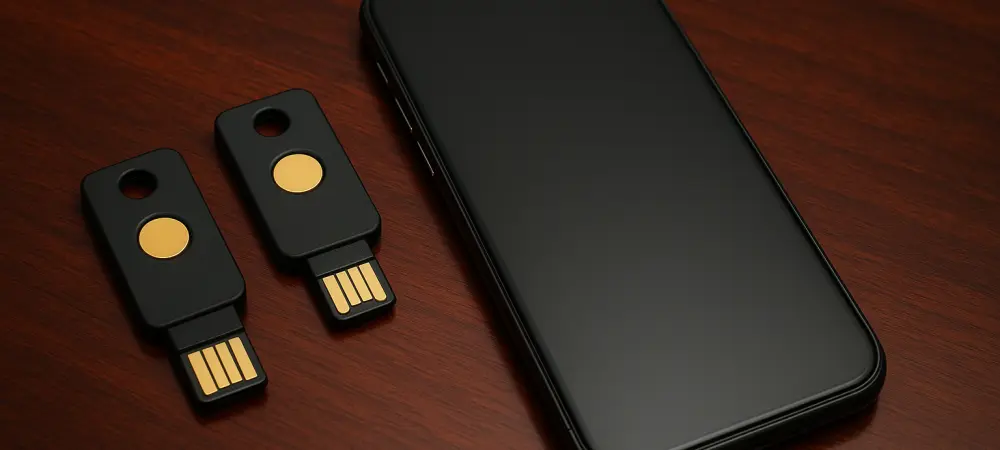
There is a significant danger that foreign adversaries will use this access to circumvent international trade restrictions by monitoring private policy discussions. If an actor knows the specific parameters of a forthcoming export ban, they can shift their resources or adjust their supply lines in advance. This creates an urgent necessity for the adoption of phishing-resistant authentication standards, such as FIDO2, across the public policy and national security sectors to ensure that intellectual foundations remain secure.
Reflection and Future Directions
Reflection
The extremely narrow scope of these operations makes them inherently difficult for traditional automated security systems to detect. Most anomaly detection tools are tuned to find broad patterns of malicious behavior, but when an attacker contacts only a handful of individuals with personalized content, the signals are easily missed. This highlights a need for more human-centric threat hunting that focuses on the identity and professional context of the recipient rather than just the technical properties of the email.
Attribution remains a complex challenge because TA419 frequently utilizes open-source penetration testing tools to mask their unique signatures. By adopting the same toolkits used by legitimate security auditors, they effectively blend their activities with standard network testing. This tactical choice complicates the efforts of defenders to definitively link these activities to state-aligned sponsors without extensive lateral analysis of the broader geopolitical context.
Future Directions
Future investigations should determine whether TA419 will expand its targeting to include the internal communications of private sector AI labs and cloud infrastructure providers. As the line between private innovation and national security continues to blur, the intellectual property held by these firms becomes a natural extension of policy espionage. Monitoring for shifts in pretexting patterns toward engineering and infrastructure roles will be essential for early detection. There is also a growing need for research into the development of AI-driven defensive tools that can identify social engineering patterns before a malicious link is even delivered. By analyzing the linguistic markers of “pretexting” in professional communication, these tools could provide an early warning system for high-value targets. Creating a baseline for normal professional outreach will allow defenders to flag the subtle deviations that often signal the beginning of a sophisticated state-sponsored campaign.
Conclusion: Safeguarding the Architects of Technology Policy
The threat profile of TA419 represented a sophisticated blend of social engineering and advanced technical exploitation that challenged existing defense models. The analysis demonstrated that traditional credentials were insufficient when faced with persistent actors who prioritized rapport-building and session hijacking. It was clear that the intelligence community needed to move beyond simple password protection to more robust, hardware-based security measures. Institutions involved in global AI governance prioritized the adoption of hardware security keys to mitigate the risks of session interception. Technologists recognized that protecting the individuals who write the rules of the future was just as important as securing the code itself. These proactive measures ensured that the intellectual and strategic foundations of international technology policy remained resilient against evolving foreign interference.