

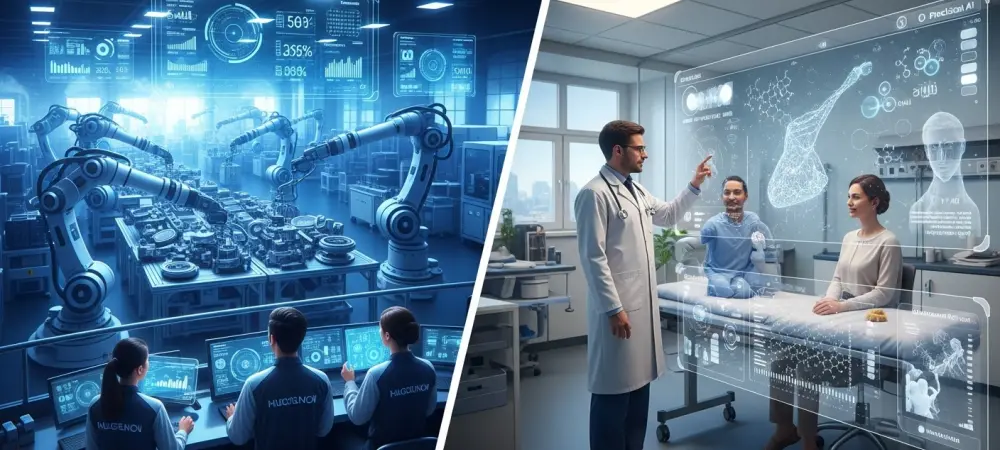
The global industrial landscape of March 2026 stands as a testament to the fact that broad, all-encompassing digital solutions have finally yielded to the undeniable power of surgical precision and niche-specific intelligence. While the previous years were characterized by a frantic rush to adopt any available artificial intelligence, the current climate reflects a more disciplined and thoughtful integration. Enterprises are no longer seeking the loudest tool in the room but are instead investing in quiet, highly efficient systems that solve hyper-specific problems within the healthcare and technological sectors.
This transition marks a departure from the “generalist” era of computing. In its place, a sophisticated ecosystem has emerged where data is not just collected but is refined into actionable insights that cater to underserved populations and overlooked market segments. As the world navigates these developments, the intersection of intelligent automation and specialized medical care has become the primary engine driving not only economic growth but also a profound transformation in how society functions on a day-to-day basis.
Navigating the Era of Precision and Intelligent Integration
The technological landscape of March 2026 is defined by a significant shift from broad-spectrum digital platforms to specialized, data-driven precision. This movement is not merely a trend but a fundamental reorganization of how value is created across global markets. Businesses have moved beyond the experimental phases of the early twenties, focusing instead on the maturation of artificial intelligence to address structural inefficiencies. This era emphasizes the quality of integration over the quantity of features, ensuring that technological adoption serves a clear, demonstrable purpose in improving human outcomes.
Specialized healthcare and AI maturation are the dual engines propelling this transformation forward. By narrowing the focus to specific clinical needs and administrative bottlenecks, organizations are unlocking levels of efficiency that were previously considered theoretical. This precision-oriented approach allows for the development of solutions that are both scalable and deeply personal. Whether in the form of diagnostic tools or personalized financial instruments, the integration of intelligence into the fabric of daily life is fostering a society that is more responsive to individual needs while maintaining global connectivity.
The Evolution of Digital Infrastructure and AI Application
A foundational change has occurred in the way digital infrastructure is conceptualized and deployed across various industries. The shift from traditional, centralized automated systems to intelligent, edge-based processing represents a milestone in the quest for real-time responsiveness. By moving computation closer to the source of data, organizations are reducing latency and enhancing the privacy of sensitive information. This evolution ensures that systems are not just reacting to inputs but are proactively managing environments with an unprecedented level of autonomy and intelligence.
Moreover, the transition of neuromorphic computing and generative AI from experimental laboratory phases to practical, industry-specific deployments has redefined the boundaries of what is possible. These technologies are no longer viewed as futuristic novelties but as essential components of modern business operations. In 2026, the application of these tools is targeted toward solving complex challenges in energy management, supply chain logistics, and high-stakes clinical research. The result is a more resilient digital framework that can adapt to the shifting demands of a volatile global economy.
Major Milestones in Specialized AI and Medical Innovation
The current month has seen a series of landmark achievements in technology and clinical research that are setting a new standard for the decade. These breakthroughs are particularly significant because they address long-standing inefficiencies that have hampered the health and administrative sectors for generations. By combining advanced algorithms with deep domain expertise, researchers and engineers are providing answers to questions that general-purpose systems could not even begin to formulate. These milestones represent a collective victory for the philosophy of specialized innovation.
Furthermore, the impact of these advancements extends beyond the immediate technical success; they are fundamentally altering the patient experience and the operational reality for healthcare providers. The integration of intelligent systems into clinical workflows has minimized the administrative burden that previously led to provider burnout. As these innovations continue to permeate the market, the focus remains on ensuring that the benefits of precision technology are accessible to all, regardless of geographic location or socioeconomic status.
AI-Driven Functional Medicine and Diagnostics
The recent launch of the Holistic Health platform has provided a powerful validation of the role functional medicine plays in the modern healthcare ecosystem. By utilizing a data-driven approach to identify underlying causes of chronic symptoms, the platform has successfully served tens of thousands of patients in an incredibly short timeframe. This surge in adoption highlights a significant demand for medical models that go beyond symptom management. The platform specifically targets underserved populations who have often felt dismissed by traditional medical systems, offering them a clear path toward wellness based on empirical data rather than anecdotal evidence.
This diagnostic evolution is supported by the platform’s ability to synthesize vast amounts of patient data into coherent, actionable health plans. In an industry valued at over $220 billion, the success of such specialized AI tools demonstrates that precision is the most valuable commodity in healthcare. By bridging the gap between holistic principles and rigorous data science, Holistic Health is leading a movement that prioritizes the unique biological makeup of every individual. This approach not only improves patient satisfaction but also sets a new benchmark for how diagnostic technology can be used to empower consumers.
Breakthroughs in Chronic Disease Treatment
Revelation Biosciences has recently shared transformative results from its Gemini study, focusing on the treatment of Chronic Kidney Disease. The study revealed that their therapeutic candidate is capable of normalizing cellular inflammation and immunoparalysis, offering hope to millions suffering from systemic inflammatory conditions. This success is a major step forward in addressing the root causes of chronic illness rather than merely slowing the progression of damage. The clinical validation of this treatment underscores the importance of targeted biological research in the current medical landscape.
The implications of this breakthrough are profound for the management of chronic conditions globally. By providing a durable solution that addresses cellular-level dysfunction, the medical community is moving closer to a future where chronic diseases are no longer life sentences. This achievement highlights the power of specialized biotechnology to solve specific, high-impact medical problems. As the data from these studies continues to influence clinical practices, the focus will remain on refining these therapies to ensure they can be delivered safely and effectively to a broad range of patients.
Intelligent Infrastructure and Smart Metering
The licensing of BrainChip’s Akida 2 processor by EDGEAI represents a pivotal moment in the development of intelligent energy management. This partnership enables real-time, intelligent processing at the “edge” of the network, transforming traditional smart meters into sophisticated data hubs. By utilizing neuromorphic computing, these devices can analyze energy consumption patterns instantaneously, allowing for more efficient grid management and reduced waste. This development is a clear example of how specialized hardware is essential for realizing the full potential of artificial intelligence in infrastructure.
The deployment of these intelligent meters is expected to revolutionize how energy is distributed and consumed across urban environments. By enabling localized decision-making within the hardware itself, the system reduces the need for constant communication with a central server, thereby increasing reliability and security. This move toward edge-based intelligence is a critical component of the broader trend toward sustainable and responsive city planning. It demonstrates that the future of infrastructure lies in the ability of individual components to think and act independently to optimize the whole system.
Defining the 2026 Competitive Advantage
In the modern enterprise landscape, the mantra of “Precision over Presence” has become the primary differentiator for success. Organizations that focus on deep, specialized impact rather than broad market saturation are finding themselves at a significant advantage. This shift is driven by a consumer base that increasingly demands tailored experiences and solutions that address their specific circumstances. Consequently, the competitive edge is no longer held by those with the largest footprint, but by those who can demonstrate the highest level of accuracy and relevance in their offerings.
This philosophy is perfectly encapsulated in the “Blue Ocean” strategy currently being adopted in legal and professional services. Rather than engaging in fierce competition within saturated markets, forward-thinking firms are seeking out untapped niches where they can provide unique value. This might involve specializing in new legal frameworks created by emerging technologies or providing specialized financial services for demographic groups that have been historically overlooked. By focusing on these quiet corners of the market, businesses can achieve sustainable growth while avoiding the pitfalls of commodity-driven competition.
The Current State of Global Industry and Finance
The global industry is currently characterized by a strong move toward interoperability, particularly within healthcare data systems. The adoption of FHIR-based prior authorization standards is a prime example of how regulatory mandates and technological innovation are converging to reduce friction. This shift ensures that patient data can flow securely and seamlessly between providers and payers, eliminating the delays that have traditionally hampered care delivery. This commitment to data transparency is creating a more efficient and accountable healthcare system that benefits all stakeholders involved.
In the financial sector, trends are shifting toward inclusivity and behavioral change. The rise of the Mandela Dollar (MUSD) illustrates the potential of stablecoins to drive financial inclusion in underserved communities by leveraging blockchain for social good. Meanwhile, the specialized real estate market is seeing a surge in innovation, with services like nationwide broker-matching for inherited properties addressing the unique legal and emotional challenges of probate. These developments, combined with shifting consumer behaviors in vehicle financing—such as the rising demand for more affordable or recreational transport options—reflect a global economy that is becoming more granular and responsive to the actual needs of the populace.
Reflection and Broader Impacts
Reflection
The current reliance on specialized AI has successfully reduced the administrative burdens that once plagued the professional world. By automating repetitive tasks like tax preparation or data extraction, these tools have freed human professionals to focus on higher-value, creative endeavors. However, this transition is not without its challenges. Implementing unified staffing models in hospitals, for example, remains a complex hurdle. While technology provides the tools for better management, the human element of organizational change requires a delicate balance of leadership and cultural adaptation to ensure that new systems actually improve the work environment.
Broader Impact
Looking at the broader impact, these trends are influencing global connectivity and linguistic inclusivity in ways that were previously unimaginable. The expansion of mental health support for diverse linguistic communities highlights a growing recognition that cultural context is essential for effective care. Furthermore, the push for personalized consumer experiences is driving a more empathetic approach to business, where the goal is to understand and serve the individual rather than the mass market. This global shift toward precision is not just a technological change; it is a cultural one that prioritizes the unique identity of every person in the global network.
The Future of Niche-Focused Innovation
The collective evolution of business and medicine has signaled a permanent departure from the one-size-fits-all models of the past. The transition toward specialized, technologically enhanced services has created a world where efficiency and empathy are no longer at odds but are instead mutually reinforcing. Organizations that successfully embraced these trends did so by recognizing that the most valuable data is that which serves a specific, human purpose. This focus on niche innovation allowed for the creation of a more stable and responsive global market that prioritizes long-term outcomes over short-term gains.
Moving forward, the emphasis on strategic partnerships and precision-driven leadership will be the defining factor in maintaining global momentum. The successful integration of intelligence into every facet of society was achieved through collaboration across sectors and a commitment to solving real-world problems. As the landscape continues to evolve, the lessons learned from this era of specialization provided a roadmap for future development. The focus on precision, interoperability, and human-centric design established a foundation for continued progress, ensuring that the benefits of innovation were felt by everyone, regardless of the complexity of their needs.