

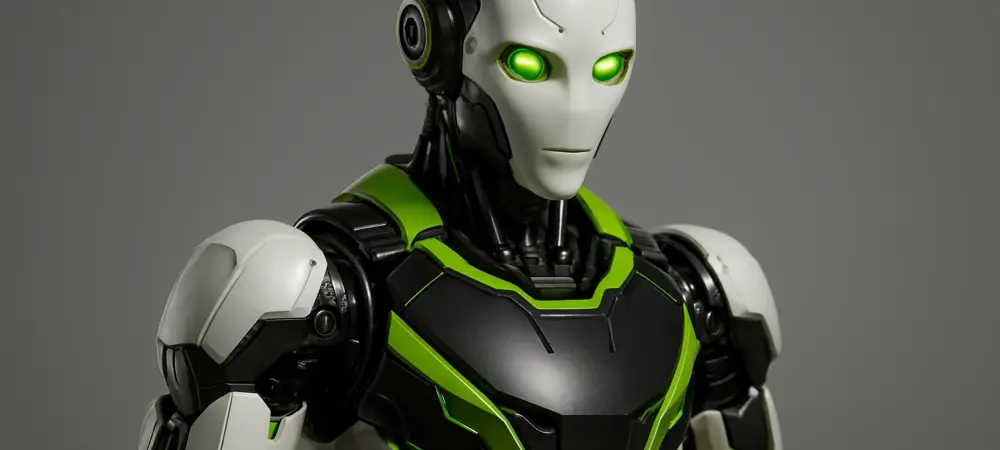
Imagine a world where humanoid robots seamlessly navigate bustling city streets, assist in delicate surgeries, or even perform household chores with human-like precision and understanding. This vision, once confined to science fiction, is rapidly becoming reality thanks to groundbreaking advancements in artificial intelligence and robotics. At the forefront of this transformation stands Nvidia, a technology giant pushing the boundaries of physical AI. Recently unveiled at a major industry event in Seoul, South Korea, Nvidia’s latest suite of tools promises to accelerate the development of humanoid robots capable of tackling complex tasks in unpredictable environments. These innovations are not just incremental upgrades but represent a significant leap toward integrating robots into everyday life, addressing long-standing challenges in adaptability and real-world application. The impact of such technology could reshape industries, redefine human-robot interaction, and open new frontiers in automation.
Pioneering Tools for a Robotic Future
Nvidia’s recent announcements highlight a powerful trio of tools designed to redefine how humanoid robots are developed and deployed. The open-source Newton Physics Engine, created in collaboration with leading research entities, offers developers a robust platform to simulate and train robots for demanding tasks such as traversing uneven terrain or handling fragile objects with care. Complementing this is the updated Isaac GR00T reasoning model, version N1.6, which serves as the cognitive core of these machines, enabling them to process vague instructions and translate them into actionable steps through integration with advanced vision language models. Additionally, the Cosmos World Foundation Models facilitate the generation of vast synthetic training data, streamlining the process of preparing AI for diverse scenarios. Together, these tools bridge the critical gap between theoretical research and practical implementation, equipping robots with the reasoning and adaptability needed to operate safely in dynamic settings. Industry leaders have emphasized that such advancements provide the essential building blocks to bring humanoid robots closer to mainstream integration.
Beyond the technical specifications, the broader implications of Nvidia’s contributions are evident in the growing adoption by both commercial and academic spheres. Prominent robotics companies and esteemed research institutions alike have begun leveraging these tools to push the boundaries of what robots can achieve. This widespread interest reflects a shared confidence in the potential of Nvidia’s innovations to standardize testing protocols and enhance the transfer of skills from simulation to reality. The emphasis on creating robots with human-like capabilities underscores a pivotal trend in the field: the need for physical AI to evolve beyond rigid programming and embrace flexibility in unpredictable environments. By fostering collaboration and providing a comprehensive ecosystem for development, Nvidia is positioning itself as a central force in shaping the trajectory of humanoid robotics. Looking back, the strides made through these initiatives demonstrate a commitment to solving real-world challenges, setting a foundation for robots to become indispensable partners in daily life. Moving forward, the focus must remain on refining safety protocols and expanding the scope of applications to ensure seamless coexistence with humans.