

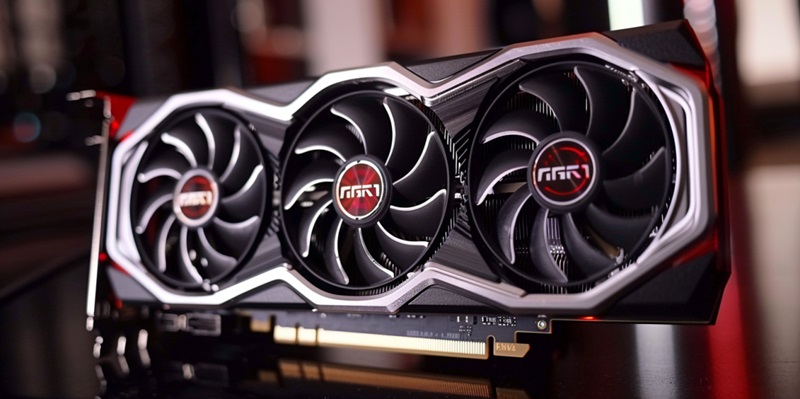
At the heart of the AI revolution lies the need for exceptional computing power, which is precisely what Nvidia has been supplying with its cutting-edge GPUs. These units, originally crafted for handling the intense graphics of video games, are now the workhorses for AI’s heavy computational demands. The robust nature of these GPUs makes them perfect for running the complex mathematical models that drive AI, facilitating rapid advancements in the field. Nvidia’s technology enables diverse applications of AI, ranging from self-driving cars to improved medical diagnostics, and the task of analyzing immense datasets.
The economic ramifications are stunning. As organizations continue to invest in AI, the demand for high-performance computing solutions like those Nvidia offers is on an upswing. This has had a direct and favorable impact on Nvidia’s business performance. Their expertise in this tech sector has led to a steady ascent in stock value, positioning them as a central player in the AI-driven economic landscape.
A Catalyst for Breakthroughs
Nvidia’s GPUs are indispensable in honing Large Language Models (LLMs) pivotal for AI advancements that understand and generate human language. Leveraging Nvidia’s computational technology is crucial for AI researchers and companies striving to elevate AI capabilities, which underpin applications from virtual assistants to intricate analytical instruments. The company’s influence stretches beyond corporate success; it’s interwoven with AI’s transformative potential, which could contribute an estimated $15.7 trillion to the global economy by 2030, as projected by PwC. Nvidia stands not just as a participant in the AI revolution but as a driving force, propelling innovations that promise to reshape how industries operate and bolster economic growth worldwide. This synergy between AI’s evolution and Nvidia’s tech solutions signifies a partnership crucial for the next wave of economic and technological transformation.
Staying Ahead in a Competitive Field
In the fiercely competitive tech sector, Nvidia is not the only player. Despite fierce rivals, Nvidia’s edge lies in its laser focus on high-performance computing, pivotal for AI advancements. Their GPUs are critical for AI, and staying ahead means relentless R&D to keep pace with AI’s rapid evolution. Nvidia’s strategy has been effective in the AI race, but ongoing innovation is essential to retain its lead.
Nvidia’s role extends beyond technology; it’s influential in global economic progress, underscoring how crucial high-performance computing is for AI’s future. They’re not just pushing AI boundaries but are also capitalizing on its economic promise. This positions Nvidia as a key entity not just for tech circles but for anyone interested in the economic horizon. With their continued push in innovation, Nvidia’s significance in AI and the economy is evident.