

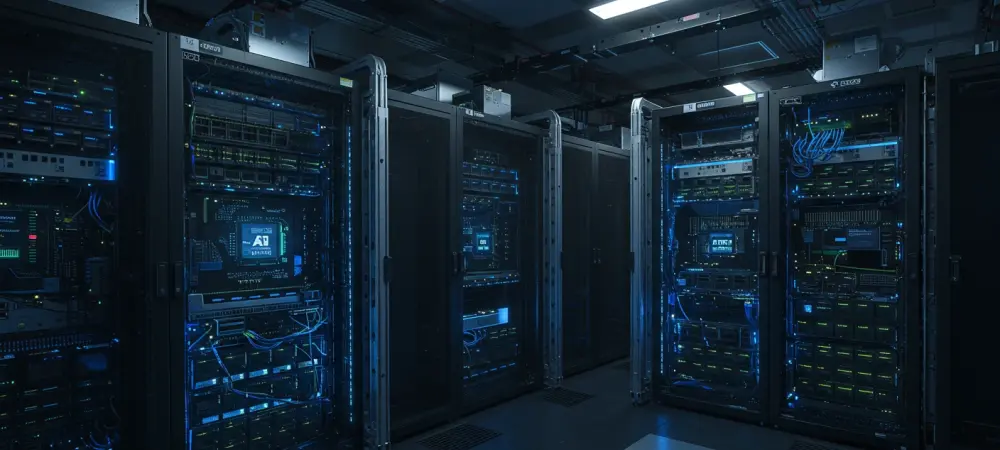
In an era where artificial intelligence is reshaping industries at an unprecedented pace, Meta Platforms, the parent company of social media titans like Facebook and Instagram, has taken a bold step to secure its position in this transformative landscape by striking a staggering $29 billion financing deal for a data center expansion in rural Louisiana. This marks a pivotal moment in the company’s strategy to bolster AI capabilities. Partnered with financial giants Pacific Investment Management Company (Pimco) and Blue Owl Capital, and facilitated by Morgan Stanley, this initiative reflects the fierce competition among tech leaders to build the infrastructure necessary for AI’s computational demands. As data centers become the backbone of technological innovation, Meta’s move signals not just a commitment to AI but a broader industry shift toward massive investments in digital infrastructure. This development raises intriguing questions about how such financial strategies intersect with technological advancements and what it means for the future of computing power.
Unpacking the Financial Structure of Meta’s Mega Deal
Meta’s $29 billion financing arrangement stands out as a complex yet strategic collaboration designed to fuel its AI ambitions. Pimco takes the lead with a substantial $26 billion debt portion, primarily through investment-grade bonds secured by the data center’s assets, ensuring a solid foundation for long-term stability. Meanwhile, Blue Owl Capital injects $3 billion in equity, balancing the financial structure with a mix of risk and reward. The competitive nature of this deal cannot be understated, as major private credit players like Apollo Global Management and KKR & Co. were in the running until the final stages, highlighting the high stakes in the data center market. There’s also potential for additional investors to join, pointing to the scalability of such asset-backed transactions. This financing model mirrors a growing trend where private investment firms seek opportunities in high-rated companies, diversifying portfolios while tapping into the lucrative potential of tech infrastructure.
Beyond the numbers, this deal showcases a nuanced interplay between technology and finance that is reshaping industry norms. Meta’s choice to blend debt and equity reflects a calculated approach to manage the immense costs of AI infrastructure while maintaining flexibility for future needs. The involvement of firms like Pimco and Blue Owl Capital underscores their confidence in the stable returns offered by physical assets like data centers, a sector increasingly viewed as a safe bet amid economic uncertainties. Unlike traditional tech funding, this arrangement illustrates how financial innovation is becoming as critical as technological breakthroughs in driving progress. For Meta, securing such a massive investment not only accelerates its AI development but also positions it as a leader in navigating the capital-intensive demands of the digital age, setting a precedent for how tech giants might fund future expansions.
The Broader Industry Race for AI Infrastructure Dominance
Meta’s initiative is part of a larger wave of investment in data centers, driven by the insatiable need for computing power in AI development. Research from McKinsey & Co. projects that a staggering $6.7 trillion will be required globally by 2030 to meet these demands, underscoring the scale of capital needed to sustain the AI revolution. Meta’s executives, including CFO Susan Li, have openly acknowledged that costs will surge in the coming years due to the specialized talent and infrastructure required to refine AI models. This Louisiana project is a direct response to such challenges, aiming to create a hub capable of supporting advanced AI applications that are already generating significant revenue for the company. The urgency to scale up reflects a broader recognition among tech leaders that falling behind in infrastructure could mean losing ground in the highly competitive AI landscape.
This trend extends beyond Meta, as other industry giants are forging similar partnerships to fund their own expansions. Microsoft’s collaboration with BlackRock to raise $30 billion in private equity, with potential to scale to $100 billion, exemplifies the monumental investments at play. Likewise, Elon Musk’s xAI Corporation has secured $5 billion in debt financing, while Apollo’s acquisition of a majority stake in Stream Data Centers highlights private investment firms’ growing interest in this space. These moves collectively point to a consensus that data centers are not just technical necessities but pivotal economic opportunities. The diversity in funding approaches—from Meta’s debt-equity mix to Microsoft’s massive equity raise—demonstrates that companies are tailoring strategies to their unique market positions, yet all are united in the belief that AI infrastructure will define the future of technology.
Shaping the Future Through Tech-Finance Synergy
Looking back, Meta Platforms’ $29 billion data center deal with Pimco and Blue Owl Capital emerged as a landmark moment in the fusion of technological ambition and financial strategy. This partnership not only enabled a significant expansion in Louisiana but also highlighted the critical role of innovative funding in meeting AI’s escalating demands. The competitive dynamics of the private credit market, coupled with the strategic foresight of blending debt and equity, set a powerful example for how tech giants tackled capital challenges. As similar initiatives by Microsoft and xAI unfolded, the industry witnessed a redefined landscape where data centers became cornerstones of progress. Moving forward, the focus should shift to monitoring how these investments translate into tangible AI advancements and whether such financial models can sustain the projected $6.7 trillion need by 2030. Exploring scalable, adaptive funding solutions will be key to ensuring that the digital age continues to thrive without financial bottlenecks.