

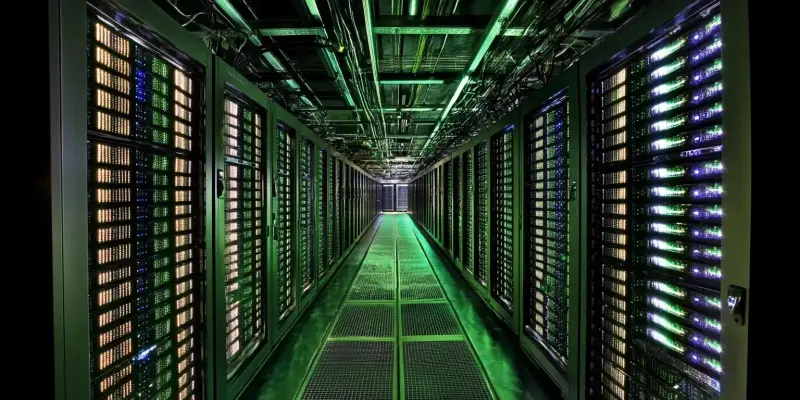
Since 2021, Malaysia has made significant strides in establishing itself as a key player in the digital economy. This effort, driven by a series of ambitious policies and substantial investments, has led to a dramatic increase in data center projects throughout the country, underscoring Malaysia’s potential as a leading digital hub in Asia. The government has approved 21 data center projects under the Digital Ecosystem Acceleration Scheme, representing an impressive investment of RM 113.8 billion (US$ 24.4 billion). This major initiative is expected to create approximately 1,244 jobs, marking its considerable impact on economic growth and employment opportunities within the region.
Government Initiatives and Investments
Approval of 21 Data Center Projects
The Malaysian government has demonstrated its commitment to the digital economy through the approval of 21 data center projects since 2021. The Digital Ecosystem Acceleration Scheme has been a key catalyst for this expansion, attracting an investment of RM 113.8 billion (US$ 24.4 billion). This funding has led to significant progress in building a robust digital infrastructure, essential for supporting Malaysia’s ambitions in the tech space. Apart from fueling economic growth, these projects have paved the way for the creation of approximately 1,244 jobs, highlighting the multifaceted benefits of this initiative.
Foreign investments play a crucial role in Malaysia’s data center growth, accounting for a substantial 90% of the total funding. This amounts to RM 102.3 billion (US$ 21.8 billion), while domestic investments contribute RM 11.5 billion (US$ 2.4 billion). The sheer volume of foreign investments underscores Malaysia’s attractiveness to international stakeholders. The project’s completion timelines, ranging from 12 to 24 months, depend on various factors, including each project’s complexity and scale, as well as prevailing economic conditions.
Formation of the Data Centre Task Force (DCTF)
To further regulate and bolster the data center sector, the Malaysian government has established the Data Centre Task Force (DCTF). Co-chaired by the Minister of Investment, Trade and Industry and the Minister of Digital, the DCTF has several critical responsibilities, including making key policy decisions, improving coordination among stakeholders, and devising strategies to sustain the industry’s growth. The ultimate goal is to position Malaysia as a global data hub, competing with established players in the region.
The DCTF’s formation signals a strategic approach towards addressing the complexities of the data center industry. By ensuring a coordinated effort among various entities, the task force aims to foster a conducive environment for further investments and developments. This holistic approach not only supports the immediate growth of the sector but also lays the groundwork for Malaysia’s long-term aspirations in the global digital economy. The task force’s initiatives are expected to streamline policies and provide clearer guidelines, enhancing the overall business climate for data centers and related industries.
Economic Impact and Future Goals
Revenue Targets and Job Creation
Malaysia’s ambition to become a leading data center hub is reflected in its revenue targets and ability to create high-value jobs. The country aims to secure RM 3.6 billion (US$ 781 million) in revenue by 2025, a significant increase from RM 2.09 billion (US$ 462 million) in 2022. This ambitious target is backed by the investments and expansions of major tech firms, positioning Malaysia prominently within the digital economy. During the period from 2021 to 2023, Malaysia approved RM 114.7 billion (US$ 25.6 billion) in data center and cloud services investments, leading to the creation of over 2,325 high-value jobs, which underscores the sector’s role in driving economic development.
Cyberjaya, a pivotal tech hub in Malaysia, has emerged as a central location for these developments, housing 15 data centers. The significance of this hub was further solidified when a major tech company announced plans for a second campus, involving an additional investment of RM 13.32 billion (US$ 3 billion). Such expansions not only contribute to job creation but also enhance Malaysia’s digital infrastructure, establishing it as a major contender in the regional data center market. The continuous development in Cyberjaya serves as a testament to Malaysia’s strategic planning and its commitment to fostering a thriving digital ecosystem.
Focus on Sustainability and Comprehensive Ecosystem
In alignment with global sustainability goals, the Malaysian government is drafting new guidelines focused on power and water usage effectiveness for data centers, aiming to achieve net-zero emissions by 2050. This move is part of a broader effort to develop a comprehensive ecosystem for data centers and cloud services, ensuring that growth in the digital sector is both sustainable and in line with environmental standards. The focus on sustainability not only enhances Malaysia’s appeal to conscious investors but also ensures long-term viability and benefits for the sector.
By promoting environmentally friendly practices, Malaysia is setting a standard for responsible growth within the tech industry. The government’s guidelines are expected to drive innovation in energy and resource management, encouraging data centers to adopt cutting-edge technologies and best practices. This proactive approach ensures that Malaysia’s data center industry remains competitive and resilient while making significant contributions to global sustainability efforts. As a result, Malaysia is poised to attract investments from environmentally conscious companies, further solidifying its position as a top data center hub in Asia.
Strategic Policy Landscape
Malaysia’s Commitment to Digital Infrastructure
The Malaysian government remains steadfast in its commitment to creating a conducive environment for digital adoption and infrastructure enhancement. The pro-business policies implemented aim to attract and retain investors, thus propelling the nation’s digital economy forward. By creating high-skill job opportunities and enhancing digital infrastructure, these policies play a pivotal role in reinforcing Malaysia’s position as a prime data center hub in Asia.
The government’s unwavering support for the digital sector is evident through its strategic initiatives, which not only facilitate immediate growth but also ensure long-term sustainability. By prioritizing the development of resilient and advanced digital infrastructure, Malaysia is setting the stage for significant technological advancements and economic benefits. These efforts are also designed to create a skilled workforce capable of driving innovation and maintaining Malaysia’s competitive edge in the global tech market.
Future Considerations and Actionable Steps
Since 2021, Malaysia has made great strides towards becoming a major player in the digital economy. This effort is driven by a series of ambitious policies and substantial investments. As a result, there has been a notable increase in data center projects sprouting up across the country, highlighting Malaysia’s potential as a leading digital hub in Asia. Under the Digital Ecosystem Acceleration Scheme, the government has greenlit 21 data center projects, representing impressive investments amounting to RM 113.8 billion (US$ 24.4 billion). This significant move is projected to generate approximately 1,244 jobs, greatly impacting economic growth and providing substantial employment opportunities in the region. The Malaysian authorities’ proactive approach underscores their commitment to fostering a robust digital infrastructure, positioning the nation competitively on the global digital stage. In essence, Malaysia’s vision for a dynamic digital era is becoming more tangible, signifying a promising future for its economic landscape.