

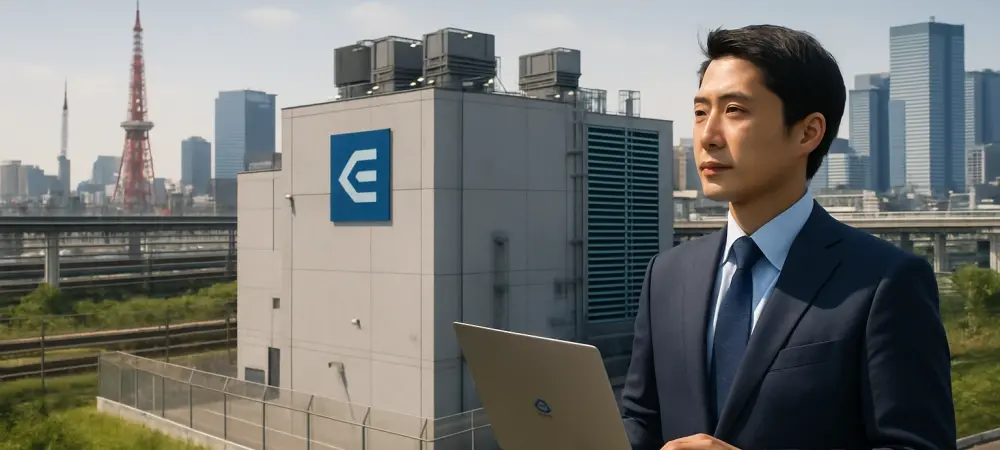
What happens when a nation’s technological ambitions outpace its infrastructure? Japan, a global powerhouse in innovation, faces a staggering demand for digital capacity, with cloud computing and AI workloads growing at an unprecedented rate— projected to increase data center demand by over 60% in the next five years, according to industry reports. This surge places immense pressure on the country’s energy grid and environmental goals, creating a critical need for robust, scalable solutions. Enter EdgeConneX, a data center giant stepping up to bridge this gap, transforming Japan’s digital landscape one facility at a time with strategic expansions in key regions.
The significance of this development cannot be overstated. Japan’s economy, deeply intertwined with technology, relies on seamless connectivity and data processing to maintain its competitive edge in global markets. EdgeConneX’s targeted growth in areas like Greater Osaka and Yawata isn’t just about building data centers; it’s about enabling the nation to leap forward in AI innovation and cloud adoption. This story uncovers how the company’s bold moves are shaping the backbone of Japan’s digital future, addressing both immediate needs and long-term sustainability challenges.
Why Japan’s Digital Future Depends on Infrastructure Leaders Like EdgeConneX
Japan’s position as a tech hub comes with unique hurdles, including limited power resources and stringent environmental regulations. As businesses pivot toward digital-first strategies, the strain on existing infrastructure has become evident, with many companies struggling to access the high-capacity data solutions needed for modern applications. EdgeConneX emerges as a pivotal player, offering not just facilities but a lifeline for industries racing to keep up with global tech trends.
The company’s focus on Japan reflects a broader recognition of the country’s role in the digital economy. With a market expected to see exponential growth in data consumption, the presence of infrastructure giants becomes indispensable. EdgeConneX’s commitment to building capacity in strategic locations ensures that Japan can sustain its momentum as a leader in innovation, even amidst systemic constraints.
This endeavor aligns with national priorities to modernize while maintaining ecological balance. By tackling power and scalability issues head-on, EdgeConneX positions itself as a cornerstone of Japan’s journey toward a fully digitized society, paving the way for other providers to follow suit in addressing these pressing challenges.
The Critical Need for Digital Overhaul in Japan’s Thriving Tech Market
Japan stands at a pivotal moment where adopting cutting-edge technology is no longer optional but essential for economic survival. The rapid rise of AI-driven solutions and cloud-based services has created an urgent demand for data centers capable of handling massive workloads. Reports indicate that the country’s digital economy could contribute over $1 trillion annually by 2030 if infrastructure keeps pace, highlighting the stakes involved.
Yet, this growth is tempered by significant obstacles, including energy shortages and the push for carbon neutrality. Many regions lack the power grid stability needed to support hyperscale facilities, creating bottlenecks for tech advancement. EdgeConneX’s timely intervention addresses these gaps, offering solutions designed to operate efficiently within Japan’s constrained environment.
Beyond mere capacity, the company’s presence signals a shift in how digital transformation is approached. By prioritizing infrastructure that supports both innovation and sustainability, EdgeConneX helps Japan navigate the delicate balance between progress and responsibility, ensuring that growth does not come at the expense of environmental goals.
EdgeConneX’s Bold Growth: Fueling Japan’s Tech Surge with New Facilities
EdgeConneX is making waves with its latest acquisition of a second data center site in the Greater Osaka and Yawata areas, boosting its capacity by 150MW to a total of 350MW at full build-out. This follows initial plans for a campus in the Osaka-Kyoto region, with construction slated to start next year and operations targeted for late 2027. A recent ceremony on August 7th with Keihan Real Estate, a key local partner, underscored the collaborative spirit driving this expansion.
These projects are meticulously planned to meet the soaring demand for IT infrastructure, particularly for cloud and AI applications. The strategic choice of locations ensures proximity to major economic hubs, reducing latency and enhancing connectivity for businesses across the region. Such foresight demonstrates how EdgeConneX tailors its growth to align with local market dynamics.
Partnerships with entities like Kagoya Asset Management further amplify the impact of these initiatives. By combining global expertise with regional insights, EdgeConneX ensures that its facilities are not only state-of-the-art but also deeply integrated into Japan’s economic fabric, setting a new standard for data center development in high-growth markets.
Leadership Insights: EdgeConneX’s Blueprint for an AI-Powered Japan
Sam Lee, Managing Director of Market & Commercial Development at EdgeConneX, captures the company’s mission with clarity: == “The goal is to deliver scalable, reliable, and sustainable solutions for an AI-driven future.”== This vision is reinforced by Masahiko Inoue, Head of Japan for EdgeConneX, who highlights the ambition to elevate Japan as a global tech frontrunner. Their words reflect a deep understanding of the transformative potential at play.
Drawing from a robust global footprint—operating 80 data centers across more than 50 markets, including China and India—EdgeConneX brings proven expertise to the table. This international experience informs its approach in Japan, ensuring that solutions are not only innovative but also adaptable to unique local challenges like power limitations.
These leadership perspectives underscore a commitment to more than just infrastructure. By focusing on AI and cloud readiness, EdgeConneX aims to empower Japan’s tech ecosystem, fostering an environment where businesses can thrive on the cutting edge of digital innovation while navigating systemic constraints with confidence.
Real-World Benefits: Equipping Japan for a Digital Leap Forward
For Japanese enterprises, innovators, and policymakers, EdgeConneX offers tangible advantages that extend beyond mere data storage. The new facilities are engineered for high-capacity, power-efficient performance, directly addressing the energy challenges that often hinder tech expansion. This design enables businesses to scale AI and cloud operations without compromising reliability.
Sustainability remains a core pillar of these efforts. EdgeConneX integrates eco-friendly practices into its operations, aligning with Japan’s national goals for reduced carbon footprints. This approach provides a model for how digital growth and environmental stewardship can coexist, offering stakeholders a blueprint for responsible progress.
Ultimately, the impact translates into enhanced competitiveness for Japan’s industries. With infrastructure that supports seamless data processing and innovation, companies gain the tools needed to lead in global markets, while policymakers see a framework for balancing technological advancement with long-term ecological priorities.
Reflecting on a Transformative Milestone
Looking back, EdgeConneX’s strategic expansions in Japan marked a turning point for the nation’s digital landscape. The addition of significant capacity in Greater Osaka and Yawata, coupled with a clear focus on sustainability, laid a strong foundation for addressing the country’s tech demands. These efforts helped position Japan as a formidable player in the global AI and cloud arenas.
As the journey unfolded, the emphasis on partnerships with local entities like Keihan Real Estate proved instrumental in tailoring solutions to regional needs. This collaborative spirit not only amplified the impact of new facilities but also set a precedent for how global firms could engage with Japan’s unique market dynamics.
Moving forward, stakeholders were encouraged to leverage these advancements by investing in complementary technologies and policies that enhance digital resilience. The path ahead called for continued innovation in energy-efficient infrastructure, ensuring that Japan’s digital transformation remained both ambitious and sustainable for generations to come.