

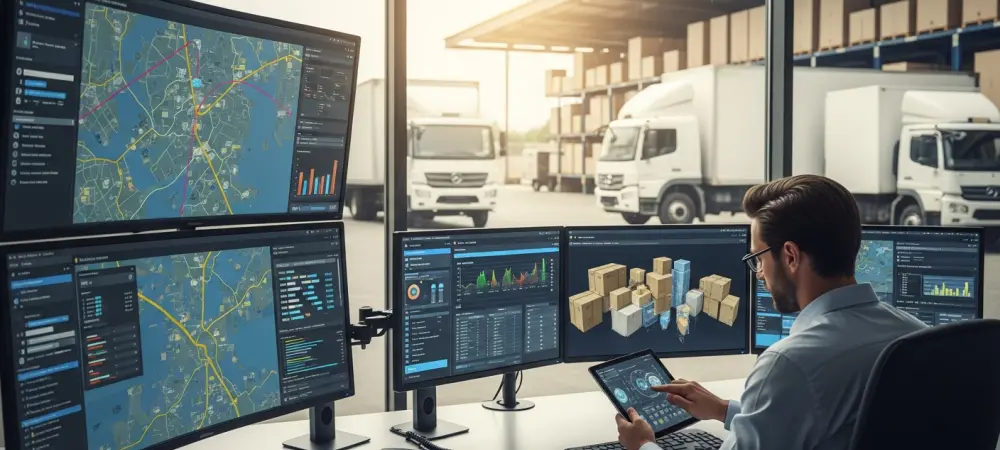
The traditional image of a residential move—characterized by stacks of confusing paperwork, mysterious delivery windows, and heavy manual logbooks—has been replaced by a sleek, transparent digital interface that prioritizes precision over guesswork. Within the current landscape of residential and commercial relocation, the industry has undergone a radical structural metamorphosis that has elevated technology from a niche convenience to an absolute operational necessity. This evolution signifies more than just the adoption of new software; it represents a fundamental rethinking of how physical assets are tracked and how human labor is coordinated across vast geographic distances. In the past, moving companies operated largely on intuition and localized knowledge, but the shift toward data-centric models has allowed for a level of predictability that was previously unattainable. Today, the most successful firms are those that have dismantled their legacy systems in favor of cloud-based ecosystems where every piece of information, from the weight of a carton to the fuel efficiency of a specific truck, is instantly accessible and actionable. This new era of digital logistics has effectively bridged the gap between client expectations and operational realities, creating a more professional and reliable service environment that caters to an increasingly mobile and tech-savvy global population.
The Evolution of Consumer Expectations: Speed and Transparency
The modern consumer, accustomed to the instant gratification of online retail and the transparency of digital banking, no longer tolerates the ambiguity that once defined the moving process. There is now a firm expectation for instantaneous communication, ranging from immediate digital quotes to live GPS tracking of moving vans as they navigate through urban traffic. This shift in behavior has forced moving companies to abandon the == “black box” approach to logistics where customers were left in the dark for days regarding the status of their belongings.== Instead, firms are deploying client-facing portals that serve as a single source of truth, providing real-time updates and digital repositories for contracts, inventories, and insurance documents. By providing this level of visibility, companies are building a deeper sense of trust with their clients, which is essential during high-stress life events like a long-distance relocation. This demand for transparency is not merely a preference but a primary driver for customer acquisition, as modern reviews and social proof often hinge on the quality of a firm’s digital communication tools rather than just the physical labor provided on the day of the move.
The competitive landscape of the moving market has reached a point where digital adoption is a prerequisite for financial survival rather than a secondary luxury. Between the current year and 2028, the industry is projected to see a significant consolidation as smaller, traditional firms that refuse to modernize are overshadowed by tech-forward enterprises that leverage automation to reduce overhead. These sophisticated companies use automated lead nurturing systems to capture inquiries the moment they occur, ensuring no potential client is lost to a faster competitor. Furthermore, the global shift toward remote work has increased the volume of relocations, but it has also increased the complexity of these moves, requiring companies to manage diverse logistical needs with extreme efficiency. By automating the more mundane administrative tasks, such as scheduling and billing, firms are able to maintain higher profit margins while offering more competitive pricing to their clients. This economic reality has created a clear divide in the market, where the ability to manage data effectively is now just as important as the ability to safely transport a household’s worth of furniture across state lines.
Streamlining Operations: From Digital Surveys to Fleet Tracking
One of the most impactful advancements in the relocation sector is the transition away from the time-consuming in-home estimate toward sophisticated digital survey applications. These tools utilize high-definition video calls and, in some cases, augmented reality to allow surveyors to view a client’s home remotely and generate an incredibly accurate inventory list in a fraction of the time. This technology eliminates the logistical headache of sending a representative to a physical location, which significantly reduces travel costs and the carbon footprint associated with the sales process. The data captured during these digital walkthroughs is fed directly into estimating software that uses historical pricing data to generate a binding quote almost instantly. By removing the lag time between an initial inquiry and a finalized contract, moving companies are increasing their conversion rates and ensuring that their resources are allocated more effectively from the very beginning of the customer journey.
Beyond the initial sales phase, the integration of the Internet of Things and advanced telematics has revolutionized how fleets are managed on the road. Moving companies now utilize centralized dashboards that provide a comprehensive view of every vehicle’s location, speed, and mechanical health, allowing dispatchers to make informed decisions based on real-time traffic patterns and weather conditions. This level of oversight ensures that drivers are taking the most efficient routes, which not only saves on fuel costs but also minimizes the wear and tear on the vehicles themselves. Automated notification systems are also tied to these GPS feeds, sending text or email alerts to customers when a truck is a certain distance away from the destination. This eliminates the need for frustrating phone calls and allows clients to plan their day with much greater certainty. The synergy between fleet tracking and customer communication has turned what used to be a stressful waiting game into a coordinated and predictable event, demonstrating the power of hardware and software working in tandem to improve the overall quality of service.
Strategic Integration: Building a Unified Digital Ecosystem
The most successful moving companies in the current market have moved past the era of using disconnected software programs, which often led to data silos and administrative errors. Instead, they have embraced the concept of a unified digital ecosystem where the Customer Relationship Management system is fully integrated with logistics, accounting, and marketing platforms. When a lead enters the system, it triggers a seamless chain of automated events: a survey is scheduled, an inventory is created, a contract is digitally signed, and the moving crew is dispatched, all within a single, cohesive workflow. This integration removes the need for manual data entry, which was historically the primary source of errors such as incorrect addresses or missed inventory items. By ensuring that every department is working from the same set of data, companies can maintain a high level of operational integrity even during peak moving seasons. This holistic approach to technology allows for a much smoother transition of information from the office staff to the moving crews on the ground, ensuring that special instructions or fragile items are never overlooked during the hustle of a busy move day.
This unified framework also provides business owners with unprecedented levels of data visibility, which is crucial for long-term scalability and financial resilience. By analyzing the data collected across all departments, managers can identify specific trends in customer behavior, peak moving times, and even the most profitable geographic routes. This information allows for more strategic decision-making, such as adjusting marketing spend to target high-growth areas or optimizing staffing levels to meet anticipated demand between 2026 and 2028. Digital systems also make it significantly easier to manage the complex financial aspects of a moving business, such as processing international payments or managing insurance claims. Having clear, real-time financial reporting allows firms to navigate economic fluctuations with greater confidence, as they can quickly identify areas where costs can be trimmed or where investment should be increased. In a volatile economy, the ability to pivot based on hard data rather than gut feeling is what separates industry leaders from those who struggle to maintain a professional reputation.
Advanced Analytics and the Transition to Sustainable Logistics
The integration of artificial intelligence into the moving industry has transitioned from a theoretical possibility to a practical tool for optimizing complex logistical challenges. AI-driven algorithms are now capable of analyzing vast amounts of historical data to predict future demand with remarkable accuracy, allowing companies to position their fleets in high-demand areas before the orders even come in. This predictive capability is particularly useful for managing international relocations, where customs regulations, shipping schedules, and multi-modal transport must be perfectly synchronized. Furthermore, machine learning is being used to enhance the safety of the move itself by analyzing driver behavior and identifying potential risks before accidents occur. By focusing on preventative measures and data-backed planning, the industry has significantly reduced the rate of claims and damages, which in turn lowers insurance premiums and improves the overall customer experience. These smart systems are not replacing human expertise but rather augmenting it, providing planners with the insights they need to execute flawless moves in an increasingly complex global environment. The transition toward digital maturity within the relocation sector ultimately provided a clear path toward a more sustainable and environmentally responsible future. Companies that successfully implemented these tools recognized that efficiency and ecology were inherently linked, as optimized routing and digital workflows naturally reduced the consumption of paper and fossil fuels. The adoption of electric vehicle fleets was supported by sophisticated software that managed charging schedules and range limitations, ensuring that the move toward green energy did not compromise service reliability. By utilizing data to track their carbon footprints, moving firms established themselves as proactive participants in the global effort to combat climate change. The shift away from manual processes facilitated a new standard of operational excellence that prioritized long-term resilience over short-term gains. Looking back, the strategic move to integrate these technologies proved to be the decisive factor in modernizing the industry, as it enabled a higher volume of relocations to be handled with significantly less environmental impact and human error.