

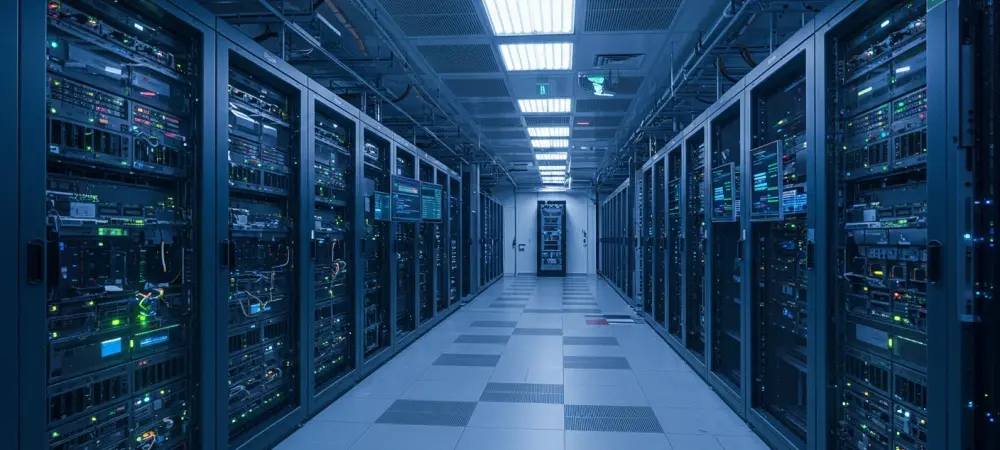
Imagine a region often sidelined in the tech world suddenly emerging as a critical hub for digital connectivity, with the Midwest, long underestimated in the realm of data infrastructure, now witnessing a transformative shift led by companies like Centra. This US-based data center provider has sparked widespread discussion with its ambitious projects, particularly the MSP1 facility in Minneapolis, Minnesota. By redefining how data centers operate in secondary markets, Centra has caught the attention of industry watchers, environmental advocates, and regional developers alike. This roundup gathers diverse opinions, tips, and reviews from various stakeholders to explore how Centra is reshaping the data center landscape in the Midwest and beyond, while addressing the challenges and opportunities of modern digital demands.
Exploring Centra’s Vision for Midwest Connectivity
Centra’s decision to establish MSP1 in Eagan, Minnesota, has ignited conversations about the potential of the Midwest as a tech frontier. Industry analysts note that this move taps into a growing need for robust data infrastructure in areas previously overlooked by major tech investments. The consensus among many observers is that Centra’s focus on carrier-neutral facilities signals a strategic pivot toward enhancing regional connectivity, a critical factor as businesses increasingly rely on seamless data exchange.
Contrasting views emerge on the viability of such investments in less saturated markets. Some experts argue that the Midwest offers untapped potential with lower operational costs and less competition compared to coastal hubs. Others caution that the region may lack the skilled workforce and existing infrastructure to support rapid scaling, posing risks for long-term success. These differing perspectives highlight the complexity of Centra’s bold strategy in redefining regional tech landscapes.
A recurring theme in discussions is the broader implication of Centra’s vision. Many stakeholders believe that by prioritizing secondary markets, the company is not only addressing local digital needs but also setting a precedent for decentralizing data infrastructure. This approach, they suggest, could inspire other providers to explore similar opportunities, potentially reshaping national data center distribution patterns.
Deep Dive into Centra’s Minneapolis MSP1 Project
Revamping Legacy Infrastructure at MSP1
Centra’s MSP1 project, a 12MW carrier-neutral data center in Eagan, has drawn significant attention for its redevelopment of a site once tied to Thomson Reuters. Industry professionals commend the transformation of this dated facility, built in 1989, into a modern interconnection hub equipped with four fiber entry points and redundant meet-me rooms. The innovative use of free-cooling for half the year is frequently cited as a standout feature, aligning with the industry’s push for energy efficiency.
However, not all feedback is unanimously positive. Some infrastructure specialists express concerns about the challenges of modernizing a decades-old building, pointing to potential issues with outdated electrical systems and structural limitations. They argue that while repurposing saves time and resources, it may compromise on the cutting-edge standards expected in today’s data centers, sparking debate over whether rebuilding from scratch might be more effective.
A balanced perspective comes from those who see MSP1 as a test case for blending old and new. Many in the field suggest that Centra’s approach could serve as a blueprint for other companies looking to revitalize legacy sites. Tips from these experts include conducting thorough pre-development assessments to mitigate risks and engaging local contractors familiar with the site’s history to ensure smoother upgrades.
Eagan’s Broader Redevelopment Context
The historical significance of the 610 Opperman Drive location, part of a 263-acre Thomson Reuters campus, adds another layer to the discussion around MSP1. Urban planners and developers highlight Ryan Cos.’ decision to retain the existing data center structure while redeveloping surrounding areas for mixed-use purposes. This choice is often praised as a thoughtful integration of industrial heritage with modern tech needs, preserving a piece of Eagan’s past.
Opinions diverge on the practicality of such preservation efforts. Some real estate experts warn that maintaining older buildings can lead to unforeseen maintenance costs and delays, especially when adapting them for high-tech purposes. They advocate for a more aggressive teardown-and-rebuild strategy to ensure long-term reliability, citing examples of failed retrofits in other regions as cautionary tales.
On the flip side, community advocates argue that Centra’s partnership with Ryan Cos. demonstrates a commitment to local identity, a factor often overlooked in tech-driven projects. Their advice to other developers centers on engaging with community stakeholders early in the planning process to balance innovation with cultural preservation. This approach, they believe, fosters goodwill and strengthens regional support for such initiatives.
Centra’s Growth in Regional Markets
Beyond Minneapolis, Centra’s expansion into markets like Reno, Nevada, with a new hub planned for early 2026, as well as facilities in Charlotte, Columbus, and Portland, Maine, has fueled discussions on secondary market potential. Tech consultants often point to the strategic advantage of targeting these areas, where competition is lower and demand for connectivity is on the rise. They see Centra’s portfolio as evidence that regional hubs can rival major coastal centers in importance.
Differing opinions arise regarding the customization of facilities for regional needs. Some industry voices emphasize that data centers in less urbanized areas must prioritize scalability to accommodate future growth, while others stress the need for tailored designs that reflect local economic drivers. These contrasting views underscore the nuanced challenges Centra faces in balancing standardization with localization across its operations.
Practical tips from market analysts include focusing on partnerships with regional telecom providers to enhance interconnection capabilities. Many also recommend that companies like Centra invest in community outreach to build trust and ensure alignment with local priorities. This dual focus on technical and social integration is seen as key to sustaining growth in diverse markets.
Sustainability and Community Focus in Operations
Centra’s emphasis on sustainability, particularly through free-cooling at MSP1, resonates strongly with environmental advocates within the industry. Many applaud the company’s efforts to reduce energy consumption, viewing it as part of a broader trend toward greener data solutions. Skeptics, however, question whether such eco-friendly measures can scale without compromising performance. Certain operational experts note that balancing environmental goals with the high uptime demands of data centers remains a persistent challenge. Their advice to Centra and peers involves investing in hybrid cooling technologies to ensure reliability while pursuing green initiatives.
Community investment also garners mixed feedback. While local leaders appreciate Centra’s focus on regional development, some critics argue that tangible benefits, such as job creation, must be more clearly demonstrated. Recommendations from this group include transparent reporting on community impact and establishing training programs to upskill local talent, ensuring that growth translates into lasting positive change.
Key Takeaways from Centra’s Midwest Strategy
Analyzing Centra’s approach reveals several critical insights for the data center industry. Feedback from various sources consistently highlights the MSP1 project as a pioneering effort in repurposing legacy infrastructure, with its sustainable design elements like free-cooling earning widespread recognition. The strategic choice to invest in the Midwest also garners approval for addressing connectivity gaps in underserved regions.
Contrasting opinions on execution provide valuable lessons. While many commend the cost-effectiveness of redeveloping existing sites, others stress the importance of rigorous risk assessments to avoid long-term pitfalls. A common tip for stakeholders is to prioritize detailed feasibility studies before embarking on similar projects, ensuring that modernization efforts align with contemporary standards.
For businesses looking to collaborate with providers like Centra, industry observers suggest exploring co-location opportunities in regional hubs to enhance digital capabilities. There’s also a strong recommendation to advocate for policies that support data center growth in secondary markets, as this could unlock further investment and innovation in areas hungry for technological advancement.
Reflecting on Centra’s Impact and Next Steps
Looking back, Centra’s initiatives, especially the MSP1 project in Minneapolis, captured significant attention for their innovative approach to data infrastructure in the Midwest. The diverse opinions gathered from industry analysts, environmental advocates, and community leaders painted a picture of both promise and challenge, underscoring the complexity of modernizing legacy sites while pursuing sustainability.
Moving forward, a key consideration for industry players lies in adopting hybrid models that balance green practices with operational reliability. Centra’s journey offered a compelling case study, suggesting that strategic investments in regional connectivity could redefine national data landscapes. Stakeholders are encouraged to delve deeper into partnerships and policies that amplify such efforts, ensuring that the momentum built in regions like the Midwest continues to grow.