

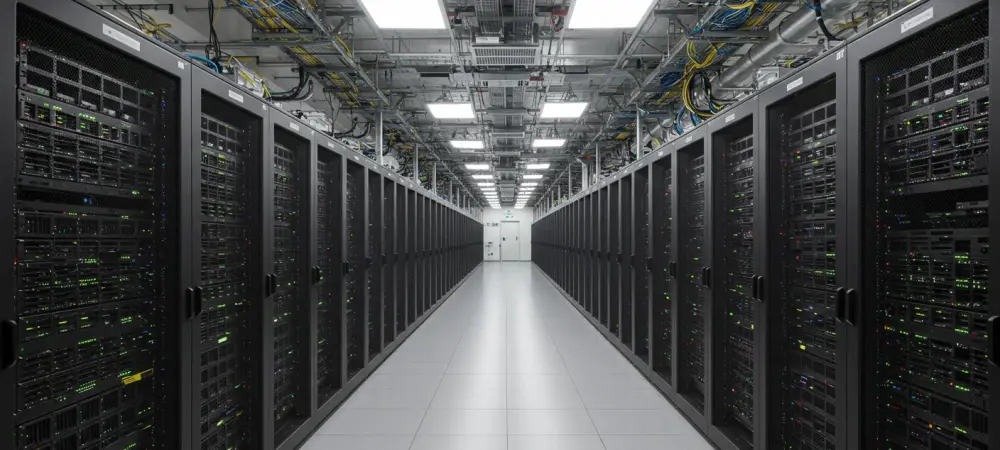
Canada’s data center industry has emerged as a frontrunner in sustainable growth, showcasing a blend of environmental advantages and innovative technologies. As artificial intelligence (AI) technologies drive energy demands upwards, Canada’s strategic use of its natural landscape, coupled with advanced cooling solutions, fosters a sustainable and economically viable model for global data centers. The thriving synergy between AI growth and sustainability initiatives presents a compelling narrative for Canada’s position in the evolving tech landscape.
Setting the Stage for Sustainable Innovation
The importance of sustainable data infrastructure in the face of soaring AI demands cannot be overstated. As AI queries consume exponentially higher electricity compared to traditional searches, addressing the corresponding environmental impact becomes imperative. Canada’s cooler climates and an abundance of renewable resources provide a fertile environment for deploying environmental measures that enhance energy efficiency and reduce operational costs. Thus, Canada’s landscape is not just a geographic advantage but a critical factor informing sustainable practices as data centers attempt to align with the burgeoning AI sector’s needs.
Examining Market Trends and Projections
AI Growth and Rising Energy Demands
The swift ascent of AI technologies has led to a spike in energy requirements, pressuring data centers to innovate continuously. Projections indicate global electricity demand from data centers is expected to more than double shortly, with AI being a primary driver. This rise positions Canada uniquely, leveraging advanced cooling technologies like water and air cooling systems. These methods significantly reduce water consumption, evidenced by Canadian facilities such as those operated by Equinix, which demonstrate the efficiency gains from adopting such technologies.
Canada’s Competitive Edge
Canada’s natural capacity for renewable energy, particularly hydroelectric power, places it at a strategic advantage globally. The utilization of unique techniques such as Deep Lake Water Cooling systems exemplifies the nation’s dedication to minimizing ecological imprints. The practice of harnessing environmental settings not only meets AI’s computational demands but also addresses energy efficiency challenges, unveiling opportunities to expand such models internationally. Comparative analysis indicates that Canada’s operational efficiency in data centers surpasses global standards, paving the way for scalability and adaptation across various climates worldwide.
Broader Implications for Sustainability
Going beyond technological innovations, consideration of economic and market dynamics illustrates the broader implications of sustainability in Canada’s data centers. Advanced chip technologies are pivotal in reducing environmental impacts through greater computation efficiency. Experts suggest some misconceptions around data center energy usage linger, yet Canadian practices consistently challenge outdated perceptions by adopting multifaceted approaches. Through policies prioritizing eco-friendly strategies, Canada’s leadership in sustainable AI development continues to redefine global benchmarks.
Strategic Insights and Future Considerations
The trajectory for data center transformations underscores the need to anticipate advancements in AI capabilities, regulatory changes, and evolving market dynamics. As Canadian projects continue embracing sustainable growth, potential investors remain attracted by the promising conjunction of technology and environmental stewardship. Efforts to enhance AI chip efficiency and improve infrastructure facilitate Canada’s continued attraction of investment, offering lessons for other global players aiming to align technological advancement with sustainable practices.
Canada’s innovative approach to integrating sustainable methodologies within AI-driven data centers serves as a strategic template for global adaptation. Stakeholders, businesses, and policymakers can draw from these insights by incorporating transparent environmental tracking, investing in novel cooling technologies, and engaging in carbon reduction initiatives. Such actions ensure a harmonious balance between technological expansion and ecological responsibility, empowering stakeholders to align progress with sustainable goals successfully.