

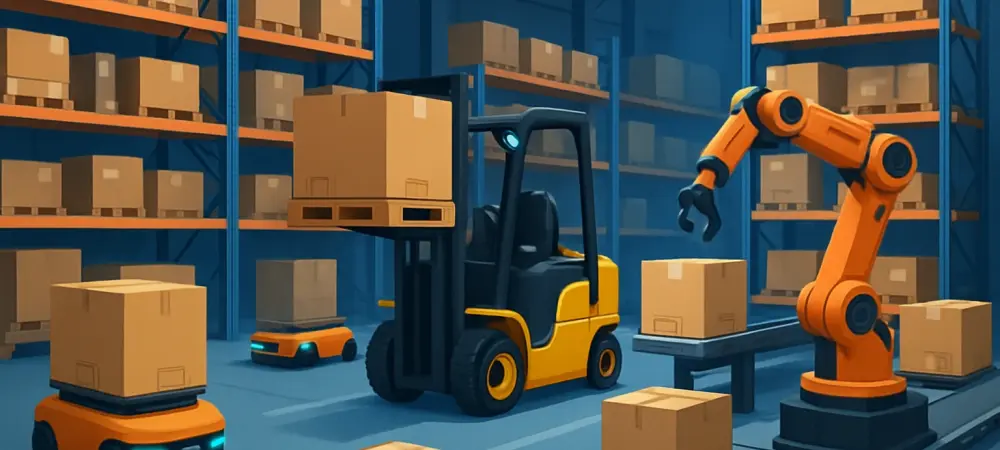
What if a warehouse could predict a sudden surge in orders and reroute resources instantly, without a single human decision? In the high-stakes world of U.S. logistics, artificial intelligence (AI) paired with Microsoft Dynamics 365 is turning this once-fanciful idea into an everyday reality, transforming sprawling distribution centers from California to New York. Across these facilities, technology is stepping in to tackle the chaos of modern supply chains, promising efficiency where delays once reigned supreme. This transformation isn’t just about speed—it’s about survival in an era of relentless demand.
The importance of this shift cannot be overstated. With e-commerce driving consumer expectations to new heights, warehouses face pressure to deliver orders at breakneck speed while grappling with labor shortages and rising operational costs. AI-driven solutions within Dynamics 365 are not merely tools; they are becoming the backbone of autonomous warehousing, enabling systems to think, adapt, and optimize in real time. This story delves into how this technology is reshaping the industry, offering a lifeline to businesses struggling to keep pace.
A New Age for Warehouse Operations
In today’s logistics landscape, the traditional warehouse model—reliant on manual oversight and rigid processes—feels like a relic. The integration of AI with Dynamics 365 marks the dawn of autonomous operations, where systems monitor every corner of a facility, from inventory levels to equipment health, and make split-second adjustments. This shift is redefining efficiency, allowing warehouses to handle peak seasons without the usual breakdowns or bottlenecks.
The impact is already visible in major U.S. hubs. Distribution centers that once scrambled to address unexpected delays now rely on predictive algorithms to stay ahead of disruptions. By orchestrating workflows with minimal human input, these intelligent systems are setting a new standard for what a warehouse can achieve, turning chaos into a well-oiled machine.
The Urgent Need for Autonomous Systems
The challenges facing U.S. warehouses have reached a critical point. With online shopping continuing to dominate retail, customers demand same-day or next-day delivery, putting immense strain on fulfillment timelines. At the same time, a shrinking labor pool and escalating costs leave many facilities struggling to maintain service levels, often resulting in delayed shipments that frustrate buyers and damage reputations.
Dynamics 365 steps into this gap with a suite of AI and IoT (Internet of Things) tools designed to address these pain points head-on. By automating routine tasks and providing real-time insights, the platform enables warehouses to adapt dynamically to changing conditions. This isn’t just a luxury—it’s a necessity for companies aiming to remain competitive in a market that shows no signs of slowing down.
Adopting such technology is becoming a strategic imperative. Businesses that fail to embrace autonomous solutions risk falling behind, unable to meet customer expectations or manage operational inefficiencies. The push toward intelligent warehousing is reshaping the industry’s future, making adaptability the key to long-term success.
How Dynamics 365 and AI Are Changing the Game
The transformative power of Dynamics 365 lies in its ability to integrate AI with practical warehouse functions, creating a seamless ecosystem. Real-time orchestration stands out as a cornerstone, with IoT sensors feeding data into the system to monitor workflows, reassign tasks during peak demand, and predict potential disruptions. Studies indicate that facilities using such tools have seen downtime reduced by up to 30%, showcasing the tangible benefits of this approach.
AI agents act as digital teammates, handling repetitive tasks like inventory tracking and supplier coordination. For instance, the Supplier Communications Agent within Dynamics 365 automates purchase order updates, cutting down on manual errors and freeing staff for higher-level planning. This shift allows human workers to focus on strategy rather than getting bogged down in day-to-day minutiae, boosting overall productivity.
Further enhancing operations, IoT-enabled drones equipped with computer vision scan barcodes and detect stock discrepancies, while digital twins—virtual replicas powered by Azure—simulate layouts to prevent costly issues before they arise. Tasklet Mobile WMS, a barcode scanning tool integrated with the platform, also empowers frontline workers with real-time updates and guided processes, with thousands of devices already deployed across retail and manufacturing sectors. Together, these innovations create a warehouse that not only reacts but anticipates, redefining operational excellence.
Real Stories from the Warehouse Floor
To understand the true impact of this technology, insights from those on the ground provide a vital perspective. Industry leaders note that Dynamics 365 has become a game-changer for managing complexity, with one logistics executive stating, “The ability to track inventory across multiple sites in real time has slashed our error rates by nearly half.” Such testimonials highlight the platform’s role in driving measurable improvements.
A striking example comes from a Midwest wholesaler operating a shared distribution center for several subsidiaries. By leveraging Dynamics 365 in warehouse management-only mode, the company used AI to ensure accurate stock allocation across legal entities, streamlining a once-tangled process. This case underscores the scalability of autonomous systems, proving their value in even the most intricate setups.
Frontline workers also share positive experiences, particularly with tools like Tasklet Mobile WMS. A warehouse associate remarked, “Having real-time data on my scanner means I’m not guessing—I know exactly where to go next.” These personal accounts add a human dimension to the tech-driven narrative, illustrating how digital and human efforts can harmonize for better outcomes.
Practical Steps for Adopting AI in Warehousing
For businesses ready to make the leap, a clear path to implementing AI-driven warehousing with Dynamics 365 begins with assessing current pain points. Identifying specific challenges, such as frequent inventory delays or equipment breakdowns, helps pinpoint where intelligent systems can deliver the most immediate impact. Starting with a focused evaluation ensures resources are directed effectively.
Pilot programs offer a low-risk entry point, allowing companies to test IoT sensors or mobile tools like Tasklet Mobile WMS on a single workflow before scaling across operations. Additionally, utilizing built-in features such as wave picking and process mining within Dynamics 365 can optimize multi-site setups, providing early wins that build confidence in the technology. This gradual approach minimizes disruption while maximizing learning. Training remains essential to smooth adoption, ensuring teams are equipped to collaborate with AI agents and mobile solutions. Beyond initial implementation, planning for emerging trends—think predictive labor scheduling or sustainability tracking—keeps businesses ahead of the curve. By following these actionable strategies, U.S. warehouses can transition to autonomous systems with precision, setting the stage for sustained growth and resilience.
Reflecting on a Transformed Landscape
Looking back, the journey of U.S. warehousing reveals a profound shift driven by AI and Dynamics 365, as facilities moved from reactive struggles to proactive mastery. The technology tackled deep-rooted issues, from labor constraints to delivery delays, and redefined what efficiency means in the logistics sector. Each innovation, whether a predictive algorithm or a mobile scanning tool, played a part in building a more agile industry.
For those navigating this space now, the next steps involve a deliberate focus on integration and training, ensuring that every level of operation aligns with autonomous capabilities. Exploring pilot initiatives and prioritizing staff readiness emerge as critical actions to sustain momentum. Beyond immediate gains, keeping an eye on evolving tools like sustainability metrics promises to further refine warehouse strategies.
Ultimately, the path forward rests on a commitment to adaptability, embracing AI not as a fleeting trend but as a foundational shift. Businesses that invest in these systems stand poised to redefine customer satisfaction and operational strength. The challenge becomes clear: evolve with technology or risk obsolescence in a market that waits for no one.