

As the intersection of technology and lifestyle becomes increasingly seamless, Dominic Jainy stands at the forefront of this digital evolution. With an extensive background in artificial intelligence, machine learning, and blockchain, Jainy brings a sophisticated IT perspective to the traditionally tactile world of fashion. His work explores how data-driven insights can solve age-old dilemmas, such as the daily struggle of choosing what to wear or the environmental impact of overconsumption. By analyzing the shift from manual selection to algorithmic curation, Jainy provides a unique look at how the fashion industry is being rebuilt on a foundation of predictive intelligence and virtual accessibility.
The following discussion explores the rapid expansion of the AI fashion market and the mechanics of personalized style. We examine the rise of digital wardrobes and how they address the common problem of underused clothing, as well as the role of virtual try-on technology in reducing return rates and boosting consumer confidence. Furthermore, the conversation covers how AI is drastically shortening design cycles and providing a much-needed boost to sustainability efforts within the industry.
With the AI fashion market growing by nearly 40% annually, how are these tools evolving beyond simple recommendations? Could you explain the specific data points these systems prioritize to ensure a person’s unique style is accurately captured and refined over time?
We are witnessing a massive shift where fashion is no longer just about aesthetics but about deep data integration. With the global AI in fashion market projected to reach between $3 billion and $4 billion by 2026, the technology has moved far beyond suggesting a belt to match a pair of trousers. These systems now prioritize complex data points such as recurring color palettes, fabric textures, and even the frequency with which a user chooses certain silhouettes. By analyzing past behavior and repeated choices, the AI builds a psychological profile of the wearer’s style, allowing the system to refine its suggestions with incredible precision. It feels less like an algorithm and more like a digital confidant that understands the subtle nuances of your personal brand, ensuring that every recommendation feels authentic rather than generated.
Many people only wear about half of their wardrobe on a regular basis. How do digital wardrobe applications practically help individuals rediscover forgotten items, and what specific steps should a user take to organize a virtual closet for maximum daily efficiency?
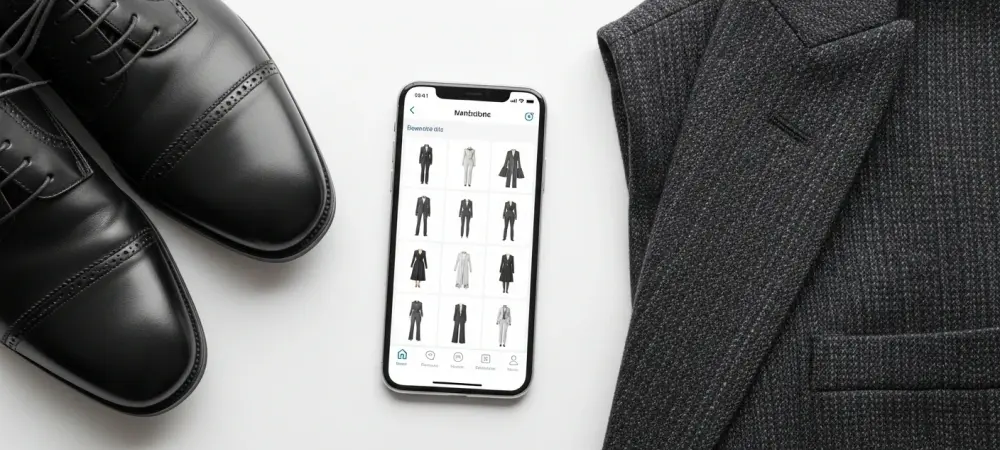
It is a startling reality that most people only utilize about 50% to 60% of their wardrobe, leaving a wealth of creative potential hanging untouched in the dark corners of a closet. Digital wardrobe applications solve this by creating a searchable, visual inventory that eliminates the “out of sight, out of mind” problem. To maximize efficiency, a user should start by photographing every item against a neutral background and tagging them by category, occasion, and even seasonal weight. This allows the AI to generate outfit combinations based on the day’s weather or specific event requirements, effectively acting as a professional stylist. When you see your clothes laid out on a screen, you rediscover that vintage jacket or those tailored slacks, breathing new life into items that would have otherwise been forgotten and eventually discarded.
Online shopping often leads to high return rates due to sizing and style uncertainty. How do virtual try-on features bridge this gap, and what impact are you seeing on consumer confidence and long-term purchasing habits when these AI tools are integrated into the experience?
The friction of online shopping has always been the uncertainty of the “fit,” but virtual try-on features are finally closing that gap. These tools allow consumers to see a digital twin of themselves wearing the garment, which provides a much clearer understanding of how fabric drapes and how a specific cut complements their body shape. This sensory-adjacent experience significantly reduces the anxiety of a “blind” purchase, leading to a noticeable drop in product return rates. When a customer feels confident that a piece will look exactly as it did on their screen, it fosters a deeper trust in the brand. Over time, this shifts purchasing habits from impulsive, high-volume buying to more intentional, high-satisfaction acquisitions that stay in the closet rather than being sent back in a shipping box.
AI can now reduce fashion design cycles by up to 90% by analyzing real-time social media trends. What does this increased speed mean for the creative process of a designer, and how does it change the way brands respond to rapidly shifting consumer interests?
The acceleration we are seeing is truly unprecedented, with design processes that once took several weeks now being condensed into just a few hours. By utilizing AI to scan social media and fashion show data, designers can identify a rising trend the moment it starts to vibrate across the internet. This 70% to 90% reduction in production time doesn’t replace the designer’s soul; instead, it frees them from the drudgery of manual trend forecasting and allows them to test more radical ideas quickly. Brands can now operate with an agility that was previously impossible, responding to consumer shifts in real-time rather than following a rigid, six-month seasonal calendar. It makes the entire industry more reactive and less prone to producing massive quantities of styles that have already gone out of fashion by the time they hit the shelves.
Extending the life of a garment by just nine months can significantly reduce its environmental footprint. How does AI-powered styling encourage this type of circular fashion, and what metrics are brands using to track the sustainability improvements gained through better wardrobe management?
Sustainability is often the most significant “hidden” benefit of AI styling, as the most eco-friendly garment is the one you already own. When an AI suggests three new ways to wear a three-year-old dress, it effectively discourages the impulse to buy something new for a single occasion. Research indicates that extending a garment’s life by just nine months can reduce carbon, water, and waste footprints by an impressive 20% to 30%. Brands are beginning to track these metrics by looking at “wear-per-item” data and the reduction in post-purchase returns. By moving toward a model where technology helps us maximize the value of every thread, we are slowly pivoting away from the destructive “fast fashion” cycle and toward a more responsible, circular economy.
What is your forecast for AI-powered styling?
I believe AI-powered styling will soon move beyond the screen and into our physical environments, perhaps through augmented reality mirrors that suggest outfits as we stand in front of them. We will likely see a shift where your digital wardrobe is integrated with your calendar and local weather sensors, automatically preparing your “look” before you even wake up. Furthermore, as blockchain technology matures, I expect we will see digital “passports” for every garment, tracking its history, authenticity, and styling potential across multiple platforms. Ultimately, the goal is a frictionless existence where fashion is both a form of high-level personal expression and a streamlined, sustainable habit supported by invisible, intelligent systems.