

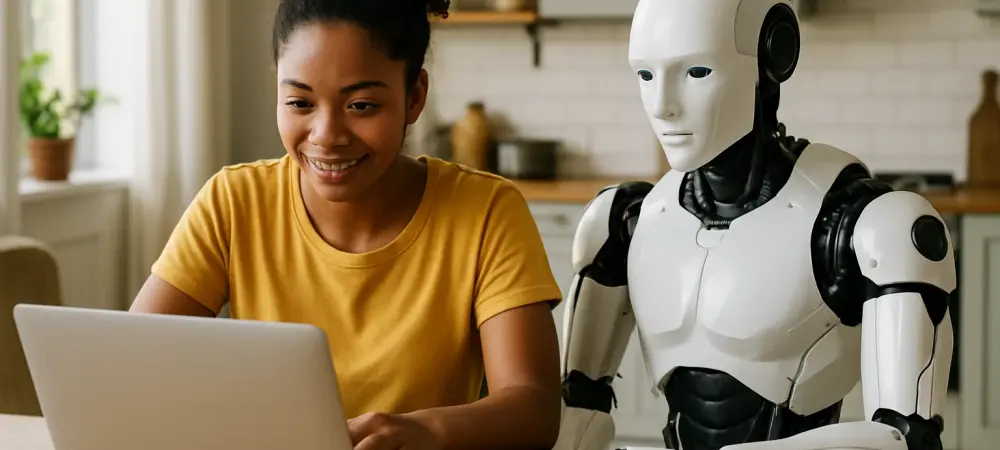
I’m thrilled to sit down with Dominic Jainy, a seasoned IT professional whose expertise in artificial intelligence, machine learning, and blockchain has positioned him at the forefront of technological innovation. With a passion for applying these cutting-edge tools across diverse industries, Dominic has a unique perspective on how AI is seamlessly integrating into our daily lives. In this interview, we’ll dive into the subtle yet transformative ways AI shapes our routines, from virtual assistants and personalized app experiences to advancements in healthcare and online security. Join us as we explore the impact of AI through Dominic’s insightful lens.
How would you describe the current role of AI in shaping our everyday experiences?
I’d say AI is like an invisible helper that’s woven into so many aspects of our lives. It’s in the way your phone predicts your next word while texting, or how your navigation app reroutes you around traffic jams. Beyond that, it’s powering things like fraud detection in banking and even helping doctors make quicker diagnoses. It’s not just about flashy gadgets; it’s about making mundane tasks smoother and freeing up our time for what matters.
Do you think the average person realizes how much AI is already part of their day-to-day life?
Honestly, I don’t think most people do. AI often works in the background, so unless you’re actively looking for it, you might not notice it’s there. For instance, when you get a personalized playlist on a music app or a spam email gets filtered out, that’s AI at work. People might associate AI with robots or sci-fi, but it’s already so embedded in simple tools that we take it for granted.
Can you share a personal example of how AI has simplified something in your own routine?
Absolutely. I rely heavily on my virtual assistant to manage my schedule. Between meetings and personal errands, I just ask it to set reminders or send quick messages, and it’s a lifesaver. It’s a small thing, but it cuts down on the mental clutter of remembering every detail myself, letting me focus on bigger priorities.
How do you see virtual assistants evolving to become even more helpful in our lives?
I think virtual assistants are going to get much better at understanding context and emotions. Right now, they’re great for basic commands, but in the future, they could pick up on your tone or mood to offer more tailored responses. Imagine an assistant that not only schedules your day but also suggests a quick break if it senses you’re stressed. We’re also likely to see them integrate more seamlessly with other devices, becoming a central hub for managing our entire smart home or even workplace.
What are your thoughts on how personalized recommendations from apps impact the way we consume content?
Personalization is a double-edged sword. On one hand, it’s incredible because it saves time and introduces you to things you might love—like a new show or song you’d never have found otherwise. It makes the digital world feel more curated to your tastes. On the other hand, it can create echo chambers where you’re only exposed to what you already like, which might limit broader discovery. It’s a balance that needs careful thought.
How is AI transforming healthcare in ways that empower individuals to manage their well-being?
AI is really democratizing healthcare by putting tools directly into people’s hands. Wearable devices can monitor your vitals and alert you to potential issues before they become serious, like irregular heart rhythms. Apps can also provide personalized health tips based on your data. This means you don’t always have to wait for a doctor’s appointment to take proactive steps. It’s shifting the focus from reactive treatment to prevention, which is a game-changer for long-term wellness.
What potential do you see for AI in enhancing online security as cyber threats continue to grow?
AI has immense potential in staying ahead of cyber threats. It’s already great at detecting patterns of unusual behavior, like flagging a login from a strange location. Moving forward, I think AI will get even better at predicting threats before they happen by analyzing vast amounts of data in real-time. It could also help create more user-friendly security measures, like adaptive authentication that adjusts based on risk levels, making protection stronger without being a hassle for users.
What’s your forecast for the future of AI in everyday life over the next decade?
I believe we’re just scratching the surface. Over the next ten years, AI will become even more intuitive and integrated, to the point where we won’t even think about it as a separate technology—it’ll just be part of how things work. We’ll see smarter homes, more personalized education, and even AI helping solve bigger societal challenges like climate change through optimized energy use. The key will be ensuring it’s developed ethically, so it truly benefits everyone and doesn’t widen existing gaps. I’m excited to see how it unfolds.