

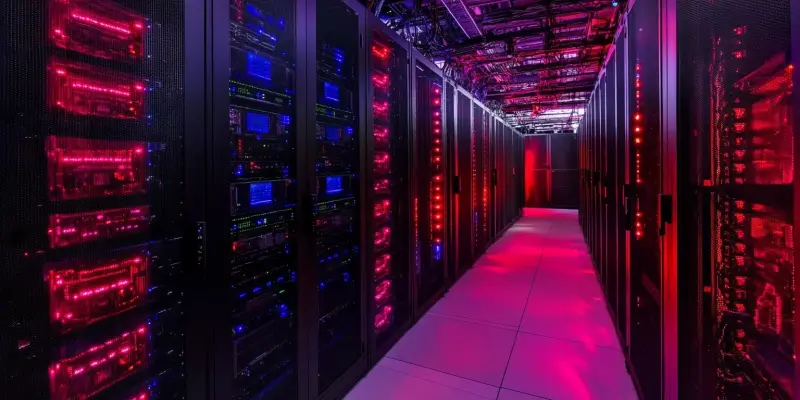
In the rapidly evolving digital landscape, the adoption of artificial intelligence (AI) represents a monumental shift in the realm of data center operations and workforce skills. AI’s integration into data centers involves predictive maintenance, resource optimization, energy management, security enhancement, operational analytics, and infrastructure planning. Each of these aspects necessitates a redefined approach to training and upskilling staff, ensuring they can harness the full potential of AI-driven technologies. The balance between technological advancements and human expertise is pivotal, as data centers become smarter and more autonomous. The underlying theme is the transformation of both the technical infrastructure and the skill sets required to manage these sophisticated systems, driving operational efficiency and sustainability.
Predictive Maintenance and Operational Efficiency
Predictive maintenance is one of AI’s premier applications in data centers, crucial for maintaining operational continuity. AI systems analyze sensor data and conduct detailed system analyses to predict equipment failures before they happen. This proactive approach dramatically reduces unplanned downtime, thereby extending the lifespan of expensive equipment and cutting unexpected repair costs. Training staff to interpret these AI-generated alerts is essential, as their expertise in expediting responses can make a significant difference in maintaining optimal operational efficiency. Employees must be proficient in utilizing AI tools to foresee issues and perform preemptive actions that keep the infrastructure running smoothly.
In addition to preventing equipment failures, AI-driven predictive maintenance empowers data center managers to streamline operations. By identifying patterns and trends in equipment behavior, AI enables the implementation of maintenance schedules that are both timely and efficient. This not only minimizes disruptions but also optimizes the use of resources, ensuring that maintenance activities are conducted when absolutely necessary. Staff training programs must prioritize the development of analytical skills, equipping personnel with the ability to leverage AI insights for smarter decision-making. The synergy between AI and human expertise in predictive maintenance underscores the importance of continuous education and adaptability in the data center workforce.
Resource Optimization and Workforce Adaptation
Resource optimization represents another critical area where AI is making a profound impact on data center operations. AI systems dynamically allocate computing power, storage, and network resources based on real-time and predicted workloads. This intelligent allocation fosters better server utilization and significantly reduces energy waste. To maximize the benefits of these AI-driven tools, it is imperative that employees are adept at using resource management systems. Staff training needs to encompass comprehensive understanding and hands-on experience with AI-based resource optimization, enabling them to respond swiftly to changing demands and maintain peak performance levels.
AI’s role in resource optimization extends to workload management, particularly in balancing the computational load across servers. By analyzing historical data and predicting demand, AI can redistribute workloads to avoid bottlenecks and ensure a seamless user experience. This level of optimization enhances the overall efficiency of the data center, driving down operational costs. The workforce must be equipped to interpret and act upon AI recommendations, requiring a blend of technical skills and analytical capabilities. Workforce adaptation to AI-driven resource optimization tools is a continuous process, emphasizing the need for ongoing training programs that keep pace with technological advancements.
AI-Driven Energy Management and Sustainability
Energy management is a significant operational challenge for data centers, but AI offers innovative solutions to optimize energy use and cooling systems. By analyzing energy consumption patterns and environmental conditions, AI can fine-tune systems in real-time to match workloads more efficiently. This optimization not only reduces energy consumption but also cuts operational costs and water usage, aligning with sustainability goals. Educating staff on these AI systems is vital for effective monitoring and adjustment, ensuring energy management practices are both efficient and ecologically responsible. Employees need to understand the intricacies of AI-driven energy management to make informed decisions that support sustainability objectives.
The impact of AI on energy management extends beyond immediate operational improvements, contributing to long-term sustainability strategies. AI systems can predict future energy demands and help plan infrastructure upgrades that enhance energy efficiency. This proactive approach supports the development of green data centers, which are essential in the quest to minimize environmental impact. To fully leverage these capabilities, data center personnel must be skilled in interpreting AI-generated insights and implementing energy-saving measures. The synergy between AI technology and an informed workforce fosters a culture of sustainability, ensuring data centers contribute positively to environmental preservation.
Enhancing Security with AI
Security is paramount in data center operations, and AI plays a crucial role in fortifying defenses against a myriad of threats. AI systems enhance data center security by identifying anomalies, detecting threats, and automating responses. This proactive stance minimizes the severity and impact of security incidents, safeguarding valuable data. Training staff to effectively utilize AI-driven security tools is essential for maintaining a robust cybersecurity posture. Personnel need to be familiar with anomaly detection algorithms and automated response mechanisms to swiftly neutralize threats and protect the integrity of data center operations.
Beyond immediate threat detection and response, AI contributes to a comprehensive security strategy by continuously learning and adapting to new threats. Machine learning algorithms analyze vast amounts of data to identify emerging patterns synonymous with potential security risks. This adaptability ensures that data center defenses are always evolving to counteract sophisticated cyber-attacks. Staff training must therefore encompass continuous education on the latest AI-driven security technologies and methodologies. By fostering a proactive security culture, data centers can stay ahead of cyber threats, ensuring the safety and reliability of their operations.
Operational Analytics and Workforce Empowerment
Operational analytics powered by AI uncovers deeper insights into data center functions, facilitating optimized workload management and performance. AI systems analyze vast streams of operational data to identify trends, inefficiencies, and potential areas for improvement. This level of insight is invaluable for data center managers seeking to enhance operational efficiency. Moreover, AI automates routine tasks, freeing up employees to focus on strategic initiatives. Properly trained staff can interpret AI-generated data to derive actionable insights, driving continuous improvement in data center operations. The integration of AI in operational analytics necessitates a workforce that is proficient in data interpretation and strategic planning.
AI’s ability to transform operational analytics extends to capacity planning and infrastructure scalability. By forecasting future demands, AI helps guide decisions on hardware upgrades and resource allocation, ensuring long-term readiness and efficiency. Data center personnel must be equipped with the skills to utilize these forecasts effectively, integrating AI insights into their strategic planning processes. This involves a blend of technical know-how and strategic thinking, as employees leverage AI to drive innovation and operational excellence. The empowerment of the workforce through AI-driven operational analytics highlights the symbiotic relationship between technology and human expertise in modern data centers.
Infrastructure Planning and Scalability
Resource optimization stands out as a vital area where AI profoundly impacts data center operations. AI systems dynamically allocate computing power, storage, and network resources based on real-time and predicted workloads, fostering better server utilization and reducing energy waste significantly. To maximize these benefits, employees must be adept at managing these systems. Comprehensive staff training needs to cover an in-depth understanding and hands-on experience with AI-based resource optimization, enabling quick responses to changing demands to maintain peak performance.
AI’s role in resource optimization extends to workload management, balancing the computational load across servers. By analyzing historical data and predicting demand, AI redistributes workloads to avoid bottlenecks, ensuring a seamless user experience. This optimization boosts overall data center efficiency, cutting operational costs. The workforce needs the skills to interpret and act on AI recommendations, blending technical and analytical capabilities. Adapting to AI-driven tools is an ongoing process, requiring continuous training programs to keep up with technological advancements.