

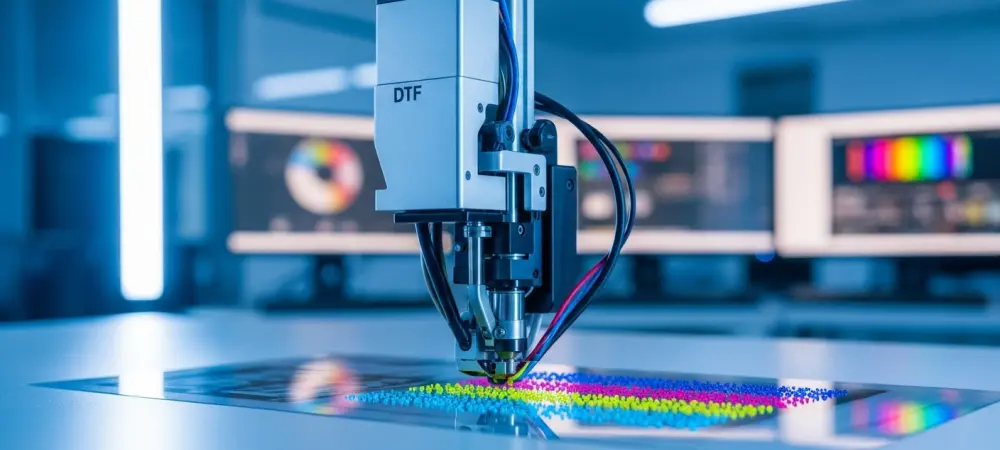
The rapid convergence of machine learning and digital garment decoration is fundamentally altering how customized apparel moves from a digital concept to a physical reality. While Direct-to-Film printing has traditionally been perceived as a labor-intensive endeavor requiring deep technical mastery, recent advancements in intelligent software are stripping away those long-standing barriers. This evolution makes professional-grade manufacturing accessible to local shops and independent creators who previously lacked the resources for high-end color specialists or dedicated design departments.
This article explores the specific ways intelligent automation addresses common pain points in the production cycle. By examining the impact on design preparation, color accuracy, and overall workflow efficiency, readers will gain a comprehensive understanding of why this shift matters. The scope covers the transition from manual troubleshooting to automated precision, highlighting how current technology empowers users to achieve consistent results with significantly less waste and frustration.
Key Questions Surrounding AI in DTF Printing
How Does AI Simplify the Initial Design and Image Preparation Phase?
Designers frequently struggle with the tedious requirements of preparing low-resolution files for high-quality printing. Historically, removing complex backgrounds or sharpening blurry edges required hours of meticulous work in professional editing software. If these steps were skipped or handled poorly, the resulting print would appear pixelated or contain unsightly artifacts around the edges of the graphic. Modern AI algorithms now perform these tasks almost instantaneously by recognizing specific shapes and textures within an image. These tools automatically refine edges and upscale lower-quality graphics to ensure they meet the rigorous standards of hardware like the D2 DTF printer. Consequently, operators can bypass the most time-consuming parts of the pre-press process, moving straight from a client’s rough idea to a production-ready file without sacrificing quality or material.
Can AI Resolve the Gap Between Digital Colors and Physical Prints?
A persistent challenge in the printing industry is the discrepancy between how colors appear on a glowing digital monitor versus how they look once cured on a fabric surface. Factors such as ink density, film absorption, and heat press temperatures all influence the final shade. Achieving a perfect match used to involve a cycle of trial and error, leading to wasted ink and ruined garments during the calibration phase. AI-driven color management systems now bridge this gap by predicting how specific color profiles will behave under different environmental conditions. These systems automatically adjust output settings to ensure that the hues remains consistent across different batches and repeated orders. This predictive capability eliminates the guesswork, allowing small business owners to provide a reliable, professional finish that meets client expectations every time.
In What Ways Does Automation Improve Daily Operational Workflows?
Running a printing business involves juggling numerous tasks simultaneously, from managing equipment maintenance to refining intricate cut lines for vinyl accents. When an operator is stretched thin, technical errors become more common, often leading to machine downtime or ruined stock. AI integration acts as a silent partner that monitors system health and optimizes the arrangement of designs on a sheet to maximize space and reduce costs.
Moreover, these intelligent systems assist with supplementary hardware, such as vinyl cutters, by automatically refining alignment and smoothing out complex paths for lettering. This level of synchronization ensures that even when a printer sits idle for a short period, the software can manage the necessary cleaning cycles and preparation steps. Such autonomy allows entrepreneurs to focus on customer service and growth rather than being tethered to constant manual machine adjustments.
Summary of Modern Industry Enhancements
The integration of artificial intelligence into the DTF landscape successfully addressed the most daunting technical hurdles faced by modern printers. By automating the complexities of graphic preparation and stabilizing the often-volatile world of color calibration, technology turned a specialized craft into a streamlined manufacturing process. These advancements not only saved time but also significantly lowered the financial risks associated with material waste and equipment mismanagement.
Furthermore, the shift toward intelligent automation fostered a more inclusive environment for newcomers entering the custom apparel market. Small-scale creators no longer needed years of apprenticeship to produce retail-quality goods; instead, they relied on software that handled the “heavy lifting” of technical troubleshooting. This newfound efficiency allowed for higher profit margins and more predictable production schedules, solidifying the role of AI as a permanent pillar of the industry.
Final Reflections on Technological Integration
The transition toward AI-enhanced printing demonstrated that the human element of creativity remains irreplaceable, even as the mechanical aspects became fully automated. Operators who embraced these tools found that they had more cognitive space to experiment with bold designs and unique textures rather than being bogged down by file errors. The reliability of modern hardware, when paired with proactive software, transformed the high-pressure environment of a print shop into a controlled and profitable workspace.
As the industry moved forward, the focus shifted from merely surviving the learning curve to exploring the boundaries of what customized apparel could achieve. Future considerations will likely involve even deeper levels of customization, where software predicts consumer trends and optimizes inventory before a single drop of ink is even used. For the modern professional, staying informed about these digital tools became the most effective strategy for maintaining a competitive edge in a fast-moving market.