

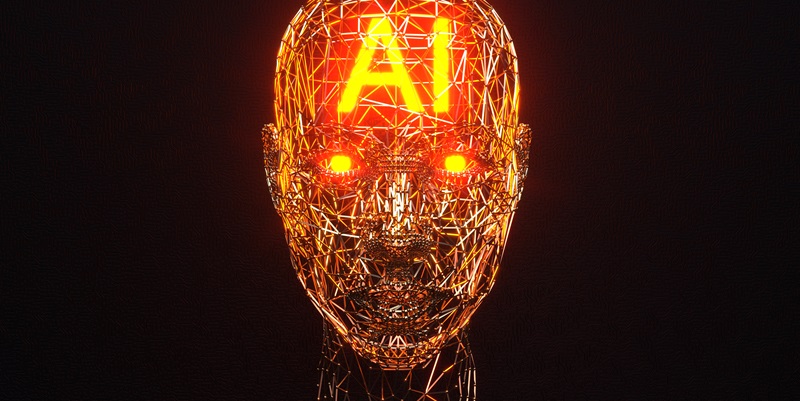
Artificial Intelligence (AI) is spearheading an era of transformation in the realm of visual arts, fundamentally changing how images are conceived, crafted, and appreciated. This technological leap allows machines to handle tasks previously reserved for human artists, employing machine learning algorithms to autonomously create, modify, and refine images. This shift has led to a surge in efficiency, creativity, and quality, transcending traditional boundaries and setting a new benchmark in artistic processes. Historically, each technological advancement, from the advent of the camera to digital editing software, has revolutionized the visual arts, expanding the potential for artistic expression. Today, AI-generated images represent the next evolutionary step in this journey.
The Evolution of Image Creation
The process of image creation has seen significant advancements over the years. Historically, artists invested significant amounts of time, skill, and effort into their work, utilizing traditional tools such as brushes, canvases, and cameras. With the introduction of image editing software, the process became more streamlined, yet it still required manual control and artistic vision. AI, however, has redefined this landscape, making the process more efficient and adaptable. From basic editing tools to today’s sophisticated AI-driven technologies, the evolution of image creation has been characterized by continuous innovation. AI applications now analyze extensive datasets to recognize patterns and styles, enabling the generation of aesthetically appealing images with unprecedented ease and precision.
In this new era, AI’s role extends far beyond mere assistance. Machines can now autonomously generate intricate designs, replicating artistic styles and even producing original art. These capabilities have resulted in a paradigm shift, where the traditional tools of the trade are augmented by AI’s computational power, facilitating the creation of visually stunning works with minimal human intervention. This transformation not only simplifies the creative process but also opens up new avenues for artistic exploration, as AI tools provide artists with the ability to experiment with ideas and concepts that were previously unimaginable.
Benefits of AI-Powered Images
AI-powered images introduce a plethora of benefits, revolutionizing the creative landscape. One of the most significant advantages is the enhancement of creativity. AI systems expand creative horizons by generating ideas and designs that might never have come to human minds. These systems can produce unique patterns, styles, and compositions, enriching the visual content available to artists and designers. AI’s capability to break conventional creative boundaries enables the production of diverse and innovative art that pushes the limits of traditional aesthetics.
Efficiency and cost-effectiveness are other critical benefits brought by AI in visual arts. The acceleration of the image creation process allows artists to complete tasks that previously required hours of meticulous labor swiftly and accurately. This efficiency translates to considerable cost savings, as less manual effort is needed to achieve high-quality output. By automating repetitive and time-consuming tasks, AI frees artists to focus on refining and enhancing their work, ultimately leading to an improvement in the overall quality and creativity of their projects.
Superior quality and accuracy are hallmarks of AI-generated images. The precision and level of detail that AI can achieve often surpass what human artists can produce through traditional methods. AI-driven technologies ensure consistent and highly detailed visuals, meeting increasingly stringent quality standards across various industries. The ability to produce visually appealing and accurate images consistently has positioned AI as a powerful tool in the visual arts, raising the bar for what can be achieved in terms of artistic quality and fidelity.
Applications in Various Fields
AI’s influence on visual arts extends across diverse industries, each benefiting uniquely from its integration. In the design industry, AI assists professionals by generating layouts and visual elements that complement their creative processes. These tools can suggest innovative designs, streamline workflows, and allow designers to explore new possibilities while maintaining focus on refining their artistic visions. As a result, the collaboration between human creativity and AI’s computational prowess leads to more sophisticated and original designs.
Photography has also been profoundly impacted by AI. Tasks such as editing, retouching, and color correction are now automated, drastically improving efficiency. Photographers can enhance image quality with minimal effort, allowing for the rapid production of superior photographs. The automation of these processes through AI enables photographers to concentrate on the creative aspects of their craft, producing high-quality images with enhanced visual appeal.
Digital marketing and advertising are other areas where AI-generated content plays a crucial role. These technologies can create visuals tailored to specific target audiences, thereby enhancing engagement and conversion rates. By analyzing user preferences and behaviors, AI produces more relevant and compelling visuals that effectively capture the audience’s attention. In an industry where visual appeal and relevance are paramount, AI’s ability to deliver targeted and impactful content is invaluable.
Enhancing User Experience
AI’s capabilities extend beyond mere image creation to enhance the user experience through interactive and personalized visuals. These systems analyze individual user preferences, enabling the delivery of customized content that makes interactions more engaging and enjoyable for consumers. Personalization fosters deeper connections between brands and their audiences, strengthening loyalty and user satisfaction. By catering to specific tastes and preferences, AI ensures that the visual content resonates more profoundly with viewers, enhancing the overall effectiveness of digital interactions.
One of the most notable aspects of AI-driven user experience is its ability to provide real-time feedback and adaptation. For instance, in the context of e-commerce, AI can analyze customer behavior to offer personalized product recommendations and dynamic images that reflect individual preferences. This level of customization not only improves the shopping experience but also drives higher engagement and conversion rates. As AI continues to evolve, its potential to create more immersive and personalized user experiences will only grow, further solidifying its role in the visual arts and beyond.
Challenges and Ethical Considerations
Despite the numerous advantages of AI-generated imagery, several challenges and ethical considerations must be addressed. One of the most pressing issues is originality and copyright. Since AI systems can replicate styles and produce images closely resembling existing works, concerns about plagiarism and intellectual property rights arise. It is essential to balance the innovative capabilities of AI with respect for the original creators to maintain ethical standards in visual arts. Ensuring that AI-generated content is distinguishable from human-created art and respecting existing copyright laws are critical measures in mitigating these challenges.
Moreover, maintaining an ethical balance where AI complements rather than overshadows human creativity is crucial. AI should support human artists by enhancing their capabilities and facilitating collaborative creative environments rather than replacing them. Preserving artistic integrity and authenticity is paramount to fostering a symbiotic relationship between AI and human creativity. This balance ensures that the contributions of both AI and human artists are valued, leading to more enriched and diverse artistic expressions.
Future Trends in AI-Powered Visuals
Artificial Intelligence (AI) is leading a transformative era in visual arts, fundamentally revolutionizing how images are conceived, crafted, and appreciated. This technological breakthrough enables machines to perform tasks once exclusive to human artists. By using advanced machine learning algorithms, AI can autonomously create, modify, and refine images. As a result, there’s been a significant boost in efficiency, creativity, and quality, breaking away from traditional methods and establishing new standards in artistic processes. Historically, each technological advancement, from the invention of the camera to the rise of digital editing software, has reshaped the visual arts, broadening the horizons for artistic expression. Today, AI-generated images symbolize the next significant evolutionary step in this ongoing journey. This fusion of technology and art is not just a fleeting trend but a pivotal chapter in the narrative of visual arts, promising an era where creativity is unbounded and accessible to a wider spectrum of individuals.