

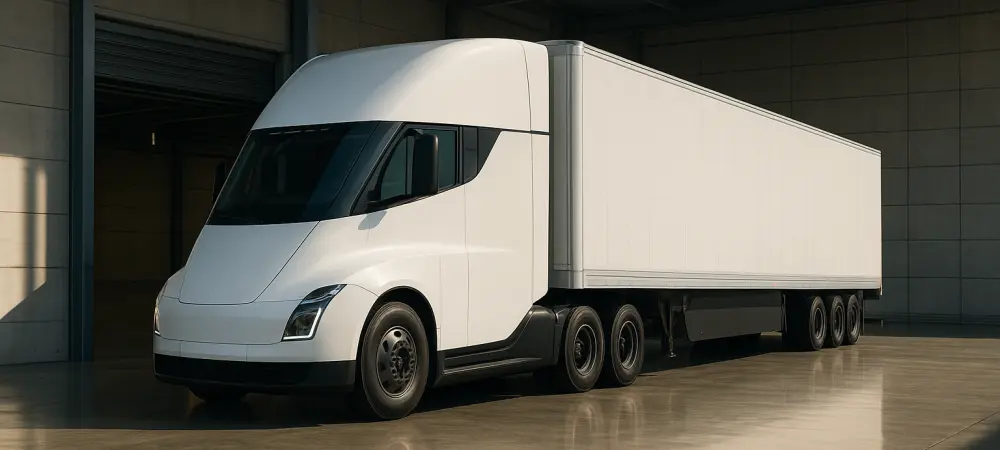
Logistics leaders are utilizing AI-driven scenario modeling to determine the most cost-effective strategies for deploying electric vehicles and alternative fuel sources. This shift signifies a departure from the traditional, reactive methods of managing transportation assets toward a sophisticated, data-centric paradigm that prioritizes long-term resilience. By integrating high-resolution data streams from on-board telematics with cloud-based analytics, Chief Supply Chain Officers are now able to anticipate disruptions before they materialize. This transformation is not merely about tracking vehicles on a digital map; it is about creating a symbiotic relationship between physical hardware and digital intelligence. As global supply chains face mounting pressure to reduce costs while improving delivery speed, the deployment of artificial intelligence has become the definitive tool for maintaining a competitive edge. This evolution reflects a broader trend where operational success depends on the ability to translate raw data into strategy.
Advancing Reliability: The Role of Predictive Analytics
The implementation of predictive maintenance represents one of the most significant shifts in asset management seen from 2026 to 2028. Unlike traditional scheduled maintenance, which often results in either unnecessary downtime or unexpected mechanical failures, AI-enabled systems analyze real-time sensor data to monitor the health of critical components. These systems track nuanced variables such as engine vibration patterns, temperature fluctuations, and oil viscosity to identify early warning signs of degradation. By identifying these issues weeks before a breakdown occurs, fleet managers can schedule repairs during natural lulls in the delivery schedule, thereby maximizing vehicle uptime. This proactive approach significantly reduces the exorbitant costs associated with emergency roadside assistance and last-minute vehicle rentals. Furthermore, it extends the total lifespan of the fleet, ensuring that capital investments are preserved through meticulous care rather than guesswork.
Beyond mechanical health, the integration of predictive intelligence fosters a safer operating environment for drivers and the public alike. By monitoring real-time telemetry, artificial intelligence identifies risky driving behaviors or equipment anomalies that could lead to accidents. This continuous oversight allows organizations to intervene with targeted training or immediate maintenance, effectively mitigating liability and insurance costs. The synergy between telematics and centralized management systems creates a transparent feedback loop where every mile driven contributes to a larger pool of operational knowledge. This level of granularity enables a more precise allocation of resources, ensuring that the most demanding routes are assigned to vehicles in peak condition. As these systems become more autonomous, the reliance on human intuition for fleet health declines, replaced by a rigorous mathematical framework that guarantees reliability under even the most strenuous conditions.
Strategic Efficiency: Optimization and Corporate Governance
Modern route optimization has evolved far beyond the static GPS systems used in previous years, now incorporating a multitude of live variables to ensure maximum efficiency. Artificial intelligence engines continuously recalculate travel paths by synthesizing real-time traffic congestion, sudden weather changes, and vehicle-specific constraints like load capacity or bridge heights. This dynamic adjustment process ensures that drivers are always on the most efficient path, which directly translates to lower fuel consumption and reduced wear on the vehicle. Moreover, these systems account for strict hours-of-service regulations, automatically suggesting rest stops that align with the driver’s schedule and the vehicle’s remaining range. By optimizing the sequence of stops and the specific roads taken, companies can achieve significant reductions in their carbon footprint while simultaneously meeting the high expectations of the modern consumer through very timely and accurate deliveries.
Successful implementation of these technologies required a coordinated effort across various departments, demonstrating that fleet management is no longer a siloed operational concern. Organizations that achieved the highest returns on investment were those that prioritized the seamless integration of AI platforms with existing enterprise resource planning and sales systems. By breaking down data silos between the supply chain, finance, and information technology teams, companies created a unified vision of their operational health. This collaborative approach ensured that the insights generated by digital models were translated into tangible improvements on the road and in the warehouse. Leaders moved away from viewing artificial intelligence as an experimental tool and instead embraced it as the foundation of a resilient logistics strategy. The transition toward automated, data-driven operations provided the necessary agility to navigate global disruptions while maintaining a commitment to cost-efficiency.