

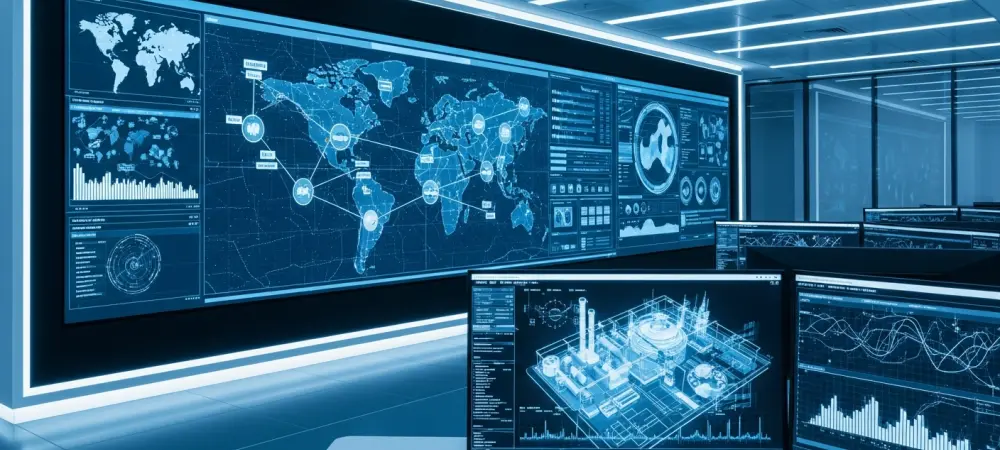
The convergence of machine learning and real-time data processing has fundamentally transformed how global organizations navigate the logistical complexities of a post-pandemic economic landscape. This shift represents a transition from traditional Enterprise Resource Planning systems, which functioned primarily as passive repositories for historical data, to sophisticated cloud-native platforms that act as systems of active intelligence. By integrating manufacturing processes, inventory levels, and logistics streams into a singular, cohesive framework, businesses are now equipped to manage the intricacies of a globalized economy with unprecedented precision. Instead of merely documenting transactions after they occur, these modern architectures utilize predictive datasets to anticipate disruptions before they impact the bottom line. As geopolitical shifts and sudden fluctuations in consumer demand become the new normal, the ability to maintain real-time visibility has evolved from a competitive advantage into a fundamental strategic requirement for survival.
Leveraging AI for Strategic Operational Shifts
Modern supply chain management now relies heavily on the continuous monitoring of operational signals through embedded artificial intelligence, creating a more responsive environment. By pairing advanced AI algorithms with the Internet of Things, systems can identify subtle patterns that typically escape human observation, such as minute correlations between local environmental factors and the long-term health of critical production equipment. This synergy allows for autonomous optimization, where software-driven logic suggests immediate inventory redistributions or production shifts without requiring constant manual intervention from administrative staff. When a potential bottleneck is detected in a remote corner of the supply chain, the system can automatically reroute shipments or adjust procurement orders to maintain a steady flow of goods. This level of responsiveness ensures that the organization remains agile, allowing it to pivot rapidly in response to market volatility while minimizing the risks associated with human error.
Integrating these advanced technologies fundamentally transforms the internal workforce by automating the repetitive tasks associated with data entry and basic analysis. When intelligent systems handle the heavy lifting of processing vast quantities of information, employees are freed to focus on higher-value activities that require human intuition and strategic thinking. This shift toward a system of intelligence ensures that critical decision-making is driven by empirical data rather than subjective intuition, which helps businesses maintain a significant edge in highly competitive or volatile markets. Furthermore, the democratization of data allows managers at various levels to access insights that were previously locked within departmental silos, fostering a culture of transparency and collaboration. As organizations transition away from reactive models, the focus moves toward long-term resilience and the cultivation of a workforce that is adept at utilizing AI-assisted recommendations to drive sustainable growth across the entire global enterprise.
Technical Architectures for Predictive Performance
Technical sophistication in current platforms is largely driven by the deep synergy between machine learning and intelligent automation, which creates a robust digital twin of the entire production floor. This virtual representation offers a live, high-fidelity view of equipment efficiency and telemetry, allowing operators to visualize the impact of every variable on the manufacturing process. By automating complex workflows such as the quote-to-cash and procure-to-pay cycles, organizations significantly reduce the likelihood of manual errors while simultaneously lowering their overall operating costs. This automation ensures that business processes remain consistent across different geographic regions and business units, regardless of local variations in labor or infrastructure. The resulting efficiency gains allow companies to reallocate resources toward innovation and market expansion, rather than spending excessive time on administrative maintenance or correcting discrepancies within their internal logistics and inventory records. Advanced planning optimization further streamlines operations by aligning production schedules with demand forecasts that are updated in real time. Rather than waiting several days for a traditional planning cycle to complete, modern systems utilize high-speed computational engines to address the most critical orders immediately, ensuring that customer expectations are met without delay. This capability is complemented by predictive maintenance protocols, which use sensory data to identify potential equipment failures long before they result in costly unplanned downtime. By proactively managing the health of capital investments, businesses can preserve product quality and extend the lifespan of their machinery, leading to a more sustainable and profitable production environment. This integrated approach to technical management allows for a seamless transition between the planning and execution phases, providing a level of operational continuity that was previously impossible to achieve with fragmented legacy systems and manual spreadsheets.
Strategic Imperatives for the Autonomous Era
The transition toward autonomous enterprise operations required a fundamental shift in how leadership viewed the relationship between technology and human capital. Organizations that successfully navigated this change implemented a phased approach to digital transformation, focusing first on data hygiene and system integration before moving toward advanced predictive modeling. They found that the most significant gains came from fostering a culture where data-driven insights were prioritized over traditional hierarchical decision-making. By investing in scalable cloud infrastructures, these businesses ensured that their supply chain capabilities could expand in tandem with market demands during the period from 2026 to 2028. Leaders also prioritized the upskilling of their workforce, ensuring that employees could effectively interpret AI outputs and manage the high-level strategy of autonomous systems. This historical pivot demonstrated that technology was most effective when it served as an enhancer of human expertise rather than a replacement for it. To remain resilient, organizations established clear protocols for data governance and security, ensuring that information flowing through their networks remained protected from external threats. They also recognized the importance of building flexible partnerships with technology providers who could offer modular solutions tailored to specific industry needs. By maintaining a focus on transparency and ethical AI usage, businesses were able to build trust with both their customers and their global suppliers. The move toward autonomy eventually proved that the most resilient supply chains were those that could sense, think, and act in concert with the dynamic world around them. Moving forward, the blueprint for operational excellence involved the seamless integration of predictive analytics into every aspect of the enterprise, from procurement to final delivery, ensuring long-term viability in a global market. Success required a continuous commitment to innovation and the regular evaluation of emerging frameworks to maintain a competitive position in an increasingly automated world.