

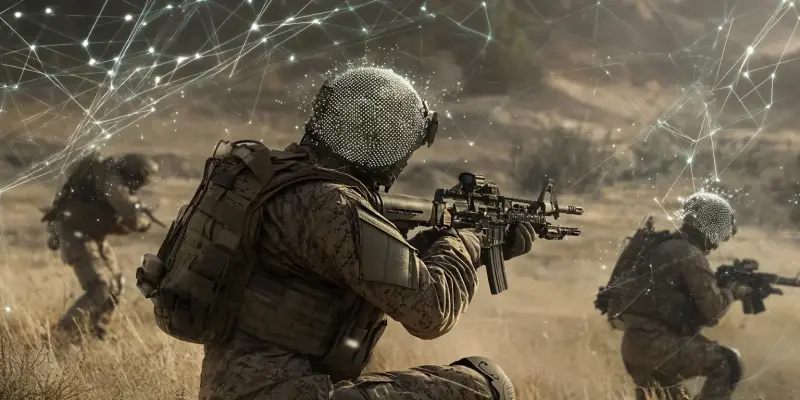
The conflict between Russia and Ukraine has progressed substantially, with cyber warfare becoming a principal component of Russia’s tactics. The advent of artificial intelligence (AI) in these cyber operations has fundamentally altered the nature of modern warfare. Utilizing AI has enabled Russian hackers to enhance the sophistication of their cyberattacks, creating new challenges for defenders. The precision and effectiveness provided by AI have made these operations more formidable, necessitating a deeper understanding of their implications and the implementation of effective countermeasures.
Evolution of Cyberattacks on Ukraine
Cyberattacks have long been a staple of Russia’s hybrid warfare strategy against Ukraine, aiming to destabilize the nation through digital means. Essential services have been disrupted, secure communications compromised, and critical infrastructure has come under threat. Initially, these cyberattacks were somewhat rudimentary, focusing primarily on espionage and financial theft. However, as technology and tactics have advanced, the sophistication of these operations has increased significantly.
The integration of AI into these cyberattacks marks a new stage in their development. AI empowers hackers by enabling the swift processing and analysis of vast quantities of stolen data from Ukrainian systems. This allows attackers to refine their strategies in real-time, adjusting tactics based on current information. The result is a more targeted and effective approach to cyber warfare. This evolution underscores the growing importance of digital capabilities in contemporary conflict, demonstrating how AI can amplify the impact of cyber operations.
Integration of AI in Cyber Operations
AI is revolutionizing cyber warfare by making operations not only more efficient but also more scalable. Russian hackers have effectively incorporated AI to perform automated reconnaissance, analyze large datasets swiftly, and adapt their attack strategies dynamically. This minimizes the dependence on human intervention, thereby increasing the precision and frequency of the attacks. AI-powered tools can identify vulnerabilities and orchestrate complex operations, making the defense against such attacks increasingly challenging.
One notable example of this advanced capability is the targeting of Signal messenger accounts used by Ukrainian military personnel. Despite Signal’s robust end-to-end encryption and minimal data collection, Russian operatives have managed to compromise these secure communications. They have achieved this by exploiting captured devices and coordinating closely with frontline military personnel. This example highlights the high level of operational integration and strategic use of AI in cyber warfare, illustrating the formidable challenge faced by defenders.
Western Response and Partnerships
In response to these sophisticated cyberattacks, the collaboration between Western technology firms and Ukrainian cyber defenders has proven crucial. Such partnerships have enabled the sharing of valuable insights and the development of robust defensive measures. The cooperative efforts of U.S. government agencies, nonprofits, and private companies have significantly bolstered Ukraine’s cyber defenses, highlighting the importance of international collaboration in combating contemporary cyber threats.
Further, these partnerships have facilitated rapid responses to emerging threats, enabling the development of proactive strategies to counter AI-enhanced cyber operations. The experiences of Ukrainian cyber defenders, shared with Western allies, have provided critical lessons for the global cybersecurity community. This information exchange is vital in understanding the evolving nature of cyber warfare and in developing scalable solutions to address these threats effectively.
Implications for Global Security
The tactics and technologies employed by Russia in Ukraine have far-reaching implications for global security. The ability to infiltrate secure communication channels, combined with the use of AI to enhance cyber capabilities, presents significant concerns. These developments suggest that such tactics could be deployed in other theaters of conflict, affecting nations worldwide. This highlights the need for a proactive approach to cybersecurity, involving the adoption of scalable, AI-driven defensive measures to keep pace with these sophisticated threats.
British intelligence and leading cybersecurity firms have warned about the accelerated execution of complex attacks facilitated by AI. The continuous evolution of AI-driven malware, powered by reinforcement learning, presents a formidable challenge, adapting to defensive measures and rendering traditional security protocols less effective. This necessitates a new paradigm in cyber defense, one that is agile and capable of evolving in response to rapidly shifting threats.
The Role of Advanced Technologies
The misuse of AI platforms by Russian operatives for investigating satellite communication protocols and radar imaging technology underscores the diverse and potent applications of AI in cyber warfare. The need for vigilance in monitoring and countering these threats is more pressing than ever. Joint research projects between Russia’s Sberbank and China’s DeepSeek exemplify this trend, as adversaries collaborate to enhance their cyber capabilities through advanced technologies.
Such collaborations present a significant challenge for global cybersecurity efforts, emphasizing the need for diligent international vigilance and preparedness. The rapid advancement and integration of AI in cyber operations necessitate a united and proactive approach to develop effective countermeasures. Ensuring that technological advancements do not fall into the wrong hands is paramount in safeguarding global security.
Future Cybersecurity Landscape
The conflict between Russia and Ukraine has escalated significantly, with cyber warfare becoming a key element of Russia’s strategy. The emergence of artificial intelligence (AI) in these cyber operations has fundamentally transformed modern warfare. By integrating AI, Russian hackers have heightened the complexity and sophistication of their cyberattacks, presenting new and substantial challenges for defenders. AI’s precision and efficiency have made these attacks more powerful and harder to counter, demanding a thorough comprehension of their impacts and the development of robust countermeasures. The integration of AI in cyber warfare signifies a substantial shift, requiring both nations and cybersecurity experts to adapt quickly. This new paradigm highlights the increased risks and the critical need to stay ahead in the rapidly evolving landscape of cyber threats, making it more crucial than ever to invest in advanced defensive technologies and strategies.