

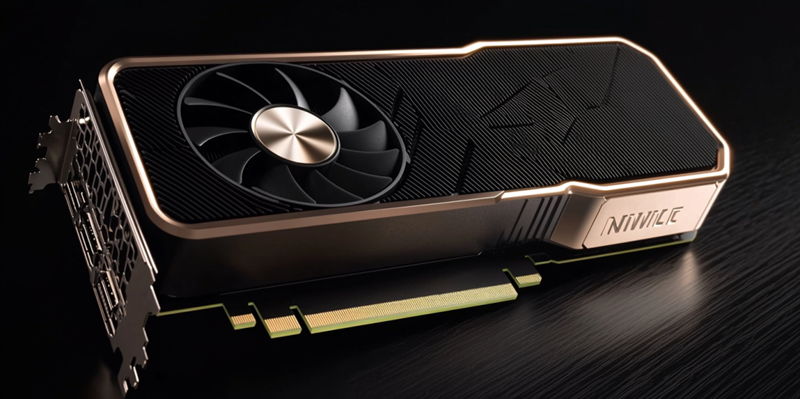
NVIDIA’s dominance in the discrete GPU (dGPU) market for more than two decades is a testament to its ability to strategically outmaneuver its competitors, AMD and Intel. From an initial focus on consumer GPUs, NVIDIA has expanded its influence into various domains, including artificial intelligence (AI) and robotics, showcasing its adaptability to the changing technological landscape. This exploration delves into the fundamental factors that have contributed to NVIDIA’s enduring leadership and how the company has continuously innovated to stay ahead of the curve.
NVIDIA’s Market Dominance
Since 2002, NVIDIA has maintained an unwavering grip on the dGPU market, consistently outperforming AMD. The company’s market share has experienced notable spikes during significant technological advancements, such as the rise of AI and the crypto-mining boom, reinforcing its market position during periods of high demand for high-performance GPUs. NVIDIA’s ability to capitalize on market trends is unmatched as it introduced innovative technologies that set it apart, like real-time ray tracing and deep learning super sampling (DLSS), attracting both gamers and professionals alike. This tech-first approach solidified NVIDIA as the go-to brand for high-performance graphics solutions.
Despite competitive efforts from AMD, such as the launch of the Radeon X100 series, NVIDIA has always managed to pull ahead. The commitment to delivering cutting-edge performance and staying ahead of technological trends has been pivotal in maintaining its market dominance. NVIDIA’s strategic decisions, coupled with the release of key products like the GeForce GTX series, brought significant improvements in performance and efficiency. These advancements not only solidified NVIDIA’s lead but also set new industry standards that competitors struggled to match. Moreover, innovations in their software ecosystem, including drivers and development platforms like CUDA, provided additional value to both consumers and professionals.
Early Competition and Strategic Pivotal Moments
In the early 2000s, AMD’s Radeon X100 series narrowed the technological gap with features like high dynamic range (HDR) rendering and CrossFire support. However, NVIDIA responded with innovative solutions that quickly regained and extended its lead. The introduction of technologies like SLI (Scalable Link Interface) allowed NVIDIA to push multi-GPU configurations, offering unmatched performance and separating it from its competition. NVIDIA’s strategic decisions during these key junctures were crucial. For instance, the release of the GeForce GTX series brought significant improvements in performance and efficiency. These advancements not only cemented NVIDIA’s lead but also set new industry standards that competitors struggled to match.
NVIDIA’s innovations didn’t stop at hardware. Their software ecosystem, including drivers and development platforms like CUDA, provided additional value to consumers and professionals. This comprehensive approach ensured that NVIDIA’s solutions were not only powerful but also user-friendly and versatile. By combining hardware and software advancements, NVIDIA created a robust ecosystem that attracted a loyal customer base, further strengthening its market position. The company’s ability to foresee industry trends and act accordingly has been instrumental in maintaining its edge over competitors, positioning NVIDIA as a leader in both performance and innovation.
Influence of Market Trends
The cryptocurrency mining surge was a critical period where NVIDIA’s market share soared due to the high demand for its GPUs. The GeForce RTX 30 series, with its exceptional mining capabilities, became highly sought after, driving substantial sales growth. AMD struggled to capitalize on this trend as effectively as NVIDIA did. Where NVIDIA’s cards were almost synonymous with mining, AMD’s offerings failed to generate similar excitement. This disparity further reinforced NVIDIA’s market leadership during a period of unprecedented demand and highlighted its ability to rapidly adapt to new market trends.
Moreover, NVIDIA’s venture into AI and deep learning has opened new revenue streams and market opportunities. The company’s GPUs serve as a cornerstone in the development of AI, with partnerships spanning multiple industries. This strategic shift has not only diversified NVIDIA’s portfolio but also positioned it at the forefront of future technological advancements. Expanding beyond consumer GPUs, NVIDIA has ventured into platforms like NVIDIA DRIVE for autonomous vehicles and NVIDIA Clara for healthcare innovation. These initiatives highlight the company’s strategic diversification while leveraging its core strength in GPU technology, ensuring sustained growth and leadership.
Product Evolution and Technological Innovation
NVIDIA’s transition from consumer-focused GPUs to a broader range including AI and professional solutions marks a significant evolution in its strategy. The company’s GPUs are now integral to a variety of high-performance computing applications, from gaming to scientific research. Despite the growing importance of AI, NVIDIA continues to invest heavily in the consumer and professional GPU markets. The launch of the GeForce RTX series, featuring real-time ray tracing and AI-enhanced graphics, exemplifies NVIDIA’s commitment to pushing graphical boundaries. These technologies have revolutionized gaming and professional visualization, maintaining NVIDIA’s cutting-edge reputation.
NVIDIA’s focus on AI has also led to the development of platforms like NVIDIA DRIVE for autonomous vehicles and NVIDIA Clara for healthcare innovation. These initiatives highlight the company’s strategic diversification while leveraging its core strength in GPU technology. By continuing to lead in both consumer and professional markets, NVIDIA ensures that its reputation for cutting-edge technology remains strong. Its comprehensive approach to innovation and market adaptation showcases the company’s ability to sustain its competitive edge while exploring new frontiers in technology.
AMD’s Strategy and Challenges
AMD has repeatedly tried to challenge NVIDIA’s dominance, but its focus on the mainstream market segments to revitalize its Radeon gaming business shows mixed success. New product launches, such as the Radeon RX series, aimed to offer competitive performance at more accessible price points. However, despite occasional successes, AMD has struggled to achieve significant market share gains. Persistent issues, such as lower performance in high-end segments and challenges in optimizing software, have hindered AMD’s ability to compete directly with NVIDIA’s flagship offerings.
AMD’s strategy of focusing on value-oriented products has its merits but has not substantially dented NVIDIA’s dominance in the high-performance GPU market. The challenges AMD faces in delivering innovations that resonate as strongly as NVIDIA’s groundbreaking technologies are evident. While AMD continues to offer competitive solutions, its efforts to unseat NVIDIA in the high-end market segments remain an uphill battle. This ongoing struggle underscores NVIDIA’s robust position and the difficulties any competitor faces when trying to disrupt a market leader with a long history of technological superiority and strategic acumen.
Intel’s Entry into the GPU Market
NVIDIA has been a powerhouse in the discrete GPU (dGPU) market for over twenty years, showcasing a remarkable ability to outpace its main competitors, AMD and Intel. Originally, the company focused primarily on consumer GPUs, but it didn’t take long for NVIDIA to broaden its horizons. Today, it has a substantial footprint in multiple advanced fields such as artificial intelligence (AI) and robotics, illustrating its knack for adapting to the ever-evolving tech environment. This deep dive examines the crucial elements that have solidified NVIDIA’s long-standing leadership. The company’s success can be attributed to its relentless drive for innovation and strategic foresight, allowing it to stay consistently ahead of the competition.
Whether it’s pioneering new GPU architectures or setting benchmarks in AI, NVIDIA’s constant push for technological advancement has been central to its strategy. Additionally, NVIDIA’s ability to identify and invest in emerging sectors has also played a significant role in maintaining its market dominance. This agility in navigating and shaping the tech landscape underscores NVIDIA’s exceptional resilience and vision for the future.