

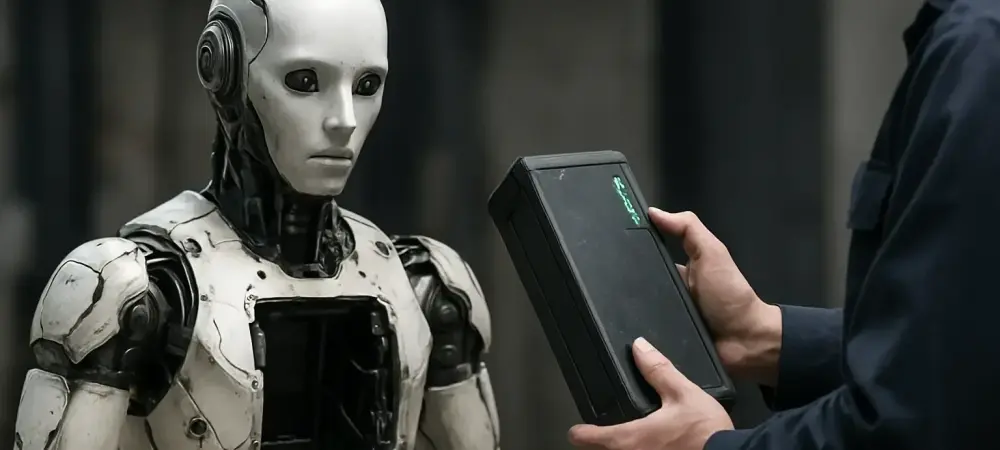
I’m thrilled to sit down with Dominic Jainy, a renowned IT professional whose expertise in artificial intelligence, machine learning, and blockchain has positioned him as a leading voice in cutting-edge technology. Today, we’re diving into the fascinating world of humanoid robotics, focusing on the innovative Walker S2 by UBTech—a robot that can autonomously swap its own battery. Our conversation explores the intricacies of this groundbreaking feature, its impact on safety and productivity in industrial settings, and the broader implications for robotics in various industries.
How did the concept of a robot like the Walker S2, which can swap its own battery, come about in the realm of industrial automation?
The idea stemmed from a very practical problem in robotics: downtime and safety risks when batteries run low. In industrial environments, where humanoid robots often handle heavy loads or complex tasks, a dead battery can lead to unpredictable behavior, like dropping a load or stalling in a busy area. The inspiration was to create a system where the robot could self-manage its power needs, reducing reliance on human intervention. It’s about keeping operations seamless and safe, and honestly, it mirrors how we humans swap out batteries in our tools to keep working.
Can you walk us through the process of how the Walker S2 detects and handles a low battery situation?
Absolutely. The Walker S2 is equipped with internal sensors that constantly monitor its battery levels. When it detects a low charge, it autonomously navigates to a designated charging station. There, it can either plug in to recharge or, more impressively, use its human-like arms to remove the drained battery and replace it with a fully charged one. The entire swap takes under three minutes, which is a game-changer for minimizing downtime.
What role does the Walker S2’s design play in making this autonomous battery swap possible?
The design is critical. The Walker S2 stands about 5’3” and weighs 95 pounds, with arms that mimic human motion and offer an incredible range of motion—actually, more than a human in some respects, with 20 degrees of freedom. This allows it to precisely handle the battery, removing it and placing it on the charger, then grabbing a fresh one. Designing for this level of dexterity was no small feat; ensuring the robot could securely grip and manipulate a heavy battery pack without error took a lot of engineering finesse.
How does this self-service battery feature enhance safety in environments like factories?
Safety is a huge benefit. When a robot’s battery dies unexpectedly, it can collapse, drop a load, or just freeze in a high-traffic area, posing risks to nearby workers or equipment. With the Walker S2, it self-monitors and takes action before reaching that critical point. By swapping its battery autonomously, it avoids those unpredictable scenarios. It’s like having a worker who knows when they’re too tired to continue and steps aside to recharge without needing a supervisor to intervene.
In terms of productivity, what kind of impact does this autonomous feature have in industrial settings?
The impact on productivity is massive. Traditionally, a human would need to notice a robot slowing down, retrieve a battery, and manually replace it, which could take significant time. With the Walker S2, downtime is slashed to under three minutes. Plus, by having more batteries than robots, you create a cycle where there’s always a charged pack ready to go. Operations keep humming along without the delays of waiting for a recharge or human assistance.
What types of tasks or industries do you see the Walker S2 being most useful for with this capability?
The Walker S2 shines in industrial environments like manufacturing and logistics, where it can handle tasks such as picking items from bins, transporting materials, or assisting with assembly lines. Industries with high uptime demands—think automotive plants or warehouses—benefit immensely from the battery-swapping feature because it ensures the robot is almost always operational. It’s also valuable in service settings where continuous operation is key, like hospitals or large-scale facilities needing constant support.
How does the interaction between the Walker S2 and its charging station work during this process?
It’s a pretty slick system. The robot navigates to the charging station on its own when it senses a low battery. Depending on the setup, it can either plug itself in to recharge or opt for a full battery swap. During a swap, it uses its arms to place the used battery in a designated spot on the charger—often positioned behind its head—and then picks up a charged one. The decision-making is driven by its onboard AI, which assesses the fastest way to get back to work based on the situation.
What has been the general response from companies or industries using robots like the Walker S2 with this feature?
The feedback has been overwhelmingly positive. Companies are thrilled about the reduced downtime and the safety improvements. Many have noted that not having to allocate staff to monitor or manage robot battery levels frees up human workers for more complex tasks. There’s also a sense of reliability—knowing the robot can handle its own power needs builds confidence in deploying these systems in high-stakes environments.
Looking ahead, what is your forecast for the future of autonomous features like battery swapping in robotics?
I think we’re just scratching the surface. Autonomous features like battery swapping will become standard in robotics, especially as industries push for greater efficiency and safety. I foresee robots not just managing their power but also diagnosing other maintenance needs, scheduling repairs, or even coordinating with other machines to optimize workflows. The goal is full autonomy, where robots are self-sustaining systems that integrate seamlessly into human environments, and innovations like the Walker S2 are paving the way for that future.