

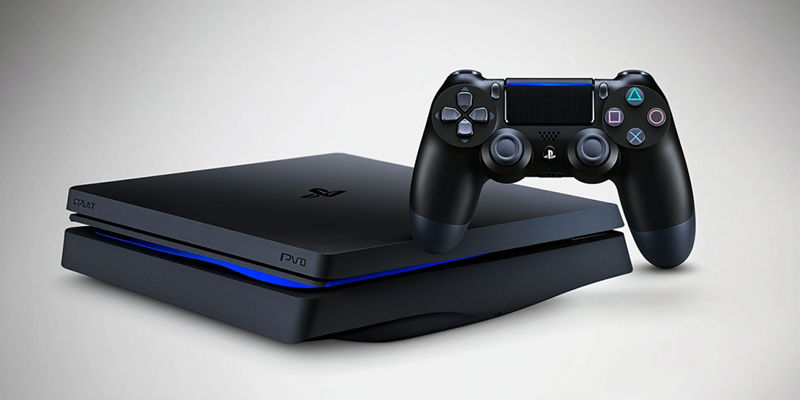
The gaming world is abuzz with the launch of Sony’s PlayStation 5 Pro, powered by AMD’s new custom System on Chip (SoC). This collaboration between two industry giants promises to push the boundaries of gaming experiences, focusing on enhanced graphics, faster performance, and innovative features that set a new benchmark in console gaming. As gamers eagerly anticipate the next level of immersion and responsiveness, the PlayStation 5 Pro aims to deliver on all fronts with its substantial hardware upgrades and new technologies. The improved processing power, advanced graphical capabilities, and innovative AI-driven enhancements all work in tandem to create a more engaging and seamless gaming experience than ever before.
Revolutionary GPU and Compute Units
One of the standout features of the PlayStation 5 Pro is its significantly upgraded Graphics Processing Unit (GPU). The console houses 60 Compute Units (CUs) based on AMD’s RDNA 4 architecture. This represents a 67% increase from the 36 CUs found in the original PlayStation 5, translating to a 45% boost in rendering performance. Gamers can expect a smoother, more fluid gameplay experience, with the console handling complex graphics effortlessly. This leap in GPU capabilities is particularly beneficial for modern AAA games that demand high processing power. The enhancements enable the PlayStation 5 Pro to deliver richer textures, more detailed environments, and lifelike character animations, ultimately providing a more immersive gaming experience.
The RDNA 4 architecture not only increases the number of compute units but also optimizes their performance. This results in better power efficiency, ensuring that the console maintains optimal performance without overheating or consuming excessive energy. Gamers will appreciate longer play sessions without the fear of hardware throttling. The efficiency gains also mean that the PlayStation 5 Pro can perform demanding tasks while maintaining quieter operation, which is an added bonus for those who engage in prolonged gaming sessions. Essentially, this updated architecture makes the PlayStation 5 Pro not just a more powerful console but also a more reliable one.
Advanced Ray Tracing Capabilities
Ray tracing has become a buzzword in the gaming community, and the PlayStation 5 Pro takes this technology to the next level. The console introduces several new ray tracing capabilities, derived from AMD’s RDNA 4 IP. These advancements include the Double Ray Tracing Intersect Engine, RT Instance Node Transform, and BVH Footprint Improvement. These technologies aim to double or even triple the speed of light reflection and refraction processes compared to the current PlayStation 5. This means that scenes with complex lighting, such as reflections in water or detailed shadows, are rendered with unprecedented accuracy and speed. The result is highly realistic visuals that greatly enhance the overall gaming experience.
The improved ray tracing capabilities also allow game developers more freedom to create visually stunning worlds. The increased performance means they can include more light sources, reflective surfaces, and intricate shadow details without compromising the frame rate or gameplay smoothness. This advancement is set to elevate the aesthetic quality of games, enabling developers to explore new artistic possibilities and create more engaging storytelling environments. The enhanced ray tracing engine lays the groundwork for a new era of visual fidelity in gaming, making the PlayStation 5 Pro a trailblazer in this realm.
AI-Driven Upscaling with PlayStation Spectral Super Resolution (PSSR)
A key highlight of the PlayStation 5 Pro is its AI-driven upscaling techniques, notably the PlayStation Spectral Super Resolution (PSSR). This machine learning-based technology is designed to enhance image clarity and detail, contributing to a more immersive visual experience. PSSR leverages advanced algorithms to upscale lower-resolution images, making them appear as if they were rendered in higher resolution. This allows the PlayStation 5 Pro to display crisper and more detailed graphics, even when running resource-intensive games. The technology also adapts dynamically to the content being displayed, ensuring consistently high visual quality.
Gamers will notice sharper textures, better-defined edges, and more vibrant colors, especially on 4K displays. This upscaling capability ensures that even older games receive a visual boost, making them look better than ever before on the new hardware. The impact of PSSR is particularly significant for gamers who demand the utmost visual clarity and detail in their experiences. By enhancing resolution and sharpness, this technology delivers a heightened level of immersion that draws players deeper into the game world. PSSR is a testament to how AI can revolutionize gaming, improving visual performance without compromising gameplay.
Memory Speed and Bandwidth Enhancements
Memory speed and bandwidth are critical for fast data processing and smooth gameplay, and the PlayStation 5 Pro delivers significant improvements in this area. The new console boasts a 28% increase in memory speed, clocked at 18 Gbps, which results in an overall bandwidth of 576 GB/s. This increase in memory speed and bandwidth translates to faster load times, quicker texture rendering, and a more seamless gaming experience. Gamers can jump into their favorite titles faster and enjoy smoother transitions between game scenes, without the frustration of long loading screens.
The enhanced memory performance also supports the PlayStation 5 Pro’s advanced graphical capabilities. It ensures that the higher-resolution textures and complex environments are processed and displayed without any lag or stutter, maintaining the immersive experience that gamers expect from a next-gen console. Furthermore, the increased memory bandwidth provides the necessary headroom for developers to push the boundaries of game design. Whether it’s expansive open worlds or intricate level designs, the PlayStation 5 Pro can handle it with ease, making for a more enjoyable and uninterrupted gaming experience.
Comparative Advantages Over Competitors
The PlayStation 5 Pro’s advancements offer significant benefits over competitors. The combination of AMD’s custom SoC, RDNA 4 architecture, advanced ray tracing capabilities, AI-driven upscaling, and increased memory performance sets it apart as a powerhouse in the gaming console market. The seamless integration of these technologies ensures a consistently high visual and performance standard, providing a compelling reason for gamers to choose the PlayStation 5 Pro over other options. This next-generation console is poised to redefine gaming by delivering an unparalleled immersive experience, pushing the boundaries of what’s possible in home entertainment.