

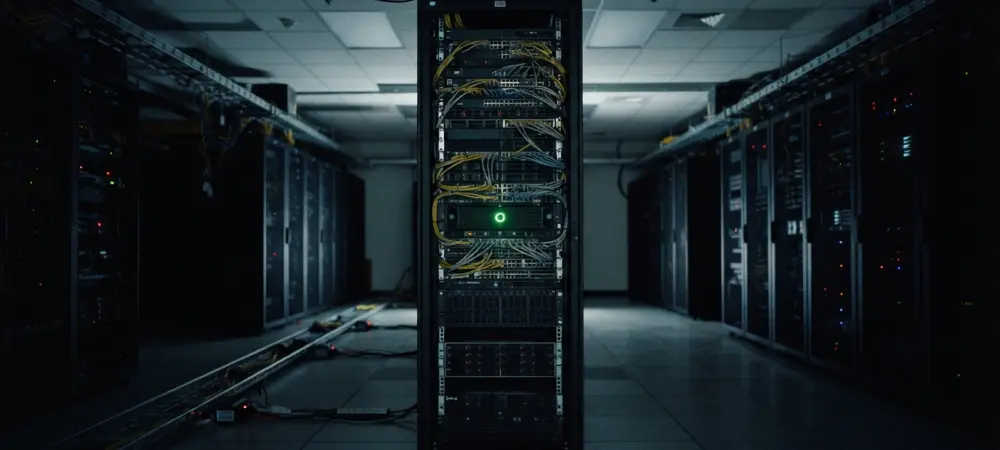
In the high-stakes environment of modern enterprise computing, the sudden and unexplained degradation of GPU performance within AI training clusters can signal a much deeper systemic compromise than simple hardware fatigue or software inefficiency. Security researchers have identified a highly modular and technically advanced suite of tools known as the SANSAR toolkit, which is currently being deployed by a threat group tracked as REF3364. Unlike traditional malware that seeks to steal data or encrypt files for ransom, this operation focuses on the stealthy hijacking of high-performance computing resources to mine Monero and other cryptocurrencies. By targeting Linux servers equipped with NVIDIA GPUs, the attackers utilize the massive parallel processing power intended for large language models to fuel their financial gains. This shift toward high-density compute theft represents a significant escalation in the complexity of cryptojacking, as it directly targets the most expensive and critical infrastructure in the technology sector today, often staying hidden for months at a time through sophisticated evasion techniques.
Infrastructure Exploitation: Access and Persistence
How Does SANSAR Gain Initial System Access?
The initial breach typically centers on the exploitation of exposed job agents within the Ray framework, a popular open-source system used to scale Python applications and AI workloads across large clusters. By gaining a foothold through these agents, the threat actor group REF3364 can execute arbitrary commands with the same privileges as the application, allowing them to perform deep reconnaissance using the nvidia-smi utility. This utility is used to inventory every available GPU resource, including model specifications and memory capacity, which is then exfiltrated to an external server to determine if the environment is profitable enough for a full deployment. Once a target is validated, the attackers establish a Python-based reverse shell to maintain an interactive presence, followed by the insertion of unauthorized SSH keys into the system’s authorized_keys files. This creates a persistent entry point that bypasses standard authentication protocols and ensures the actors can return at any time to modify their toolkit without triggering access alerts.
How Does the Malware Survive System Reboots?
Persistence in modern Linux environments requires more than just a simple script in a startup folder, leading the SANSAR developers to utilize Dynamic Kernel Module Support (DKMS) to integrate their code into the core of the operating system. By leveraging DKMS, the malware builds and loads a custom kernel module directly into the initramfs, which is the initial RAM filesystem used by the kernel during the boot process. This strategy ensures that the rootkit is active from the very first moments the server starts up, long before standard security monitoring tools or administrative services have even begun to initialize. This deep integration allows the malware to hook into system functions at the lowest possible level, granting it a dominant position that is exceptionally difficult for traditional antivirus software to detect or remove. Furthermore, by residing within the boot image, the toolkit can effectively survive system updates and reboots, maintaining a silent presence on the hardware even after routine maintenance is performed by unsuspecting administrators.
Advanced Evasion: Stealth and Telemetry Spoofing
How Does the Toolkit Hide From Administrators?
The primary mechanism for invisibility within the SANSAR toolkit is a specialized Linux kernel module named acpi_thermal_mgr.ko, which employs the Function Tracer framework to intercept critical system calls. This module acts as a sophisticated filter between the hardware and the operating system’s reporting tools, specifically designed to hide any trace of the mining processes, network sockets, and associated files. When a system administrator attempts to audit the environment using standard diagnostic commands like ps, ls, or netstat, the rootkit intercepts these requests and returns “No such file or directory” errors for any component belonging to the SANSAR ecosystem. This effectively blinds the human operator, as the tools they rely on for visibility are being fed filtered information by the kernel itself. This level of operational security is further bolstered by rigorous anti-debugging checks that inspect the status of running processes; if the malware detects it is being monitored or traced, it immediately terminates.
How Is GPU Telemetry Falsified to Mask Mining?
Perhaps the most innovative and dangerous aspect of this campaign is the manipulation of the NVIDIA Management Library (NVML) to spoof the physical performance metrics of the infected hardware. The threat actors deploy a modified NVML wrapper that hooks into the API calls used by almost all GPU monitoring software, including the ubiquitous nvidia-smi tool. This wrapper forces the system to report zero percent GPU utilization, regardless of the intense computational load being generated by the underlying Monero miners. To make this deception even more convincing, the malware injects randomized but realistic values for power consumption and temperature, usually keeping reported figures between 100 and 200 watts and 36 to 46 degrees Celsius. This prevents administrators from noticing the physical heat spikes and massive electricity draws that normally accompany high-density cryptomining. By falsifying the metrics that data center managers use to ensure hardware health, SANSAR allows the attackers to operate with impunity while the hardware suffers from wear and tear.
What Actionable Steps Combat Advanced Cryptojacking?
To address the sophisticated threat posed by REF3364, organizations have prioritized the implementation of strict access controls over job-scheduling agents like Ray and established integrity checks for critical system libraries. Because the SANSAR toolkit utilized resilient command-and-control mechanisms, such as resolving its addresses through Ethereum smart contracts and masking traffic within the Tor network, security teams had to move beyond simple domain filtering. Defenders began monitoring for unauthorized kernel module installations and shifted their focus toward verifying hardware telemetry against external power draw sensors to detect the randomized spoofing used by the NVML wrapper. By integrating these multi-layered defense strategies, administrators successfully mitigated the risks of deep-seated persistence and protected their high-value AI infrastructure from financial impacts. Ultimately, the industry moved toward a zero-trust model for hardware metrics, ensuring that any deviation in performance was investigated through independent monitoring to maintain total security.